No products in the cart.

Tata Sons’ Vision for Air India: Aiming for World-Class Status
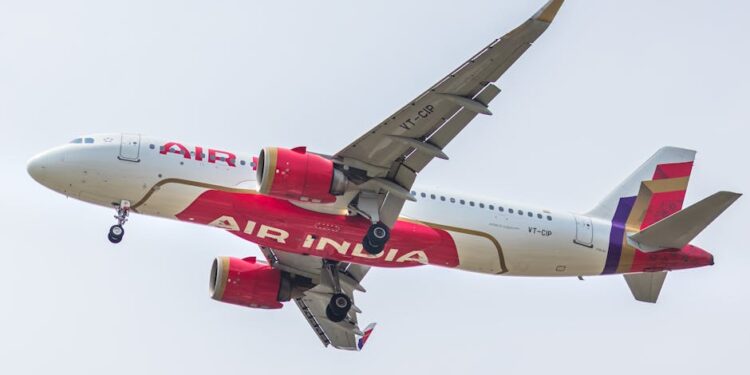
Tata Sons is committed to transforming Air India into a world-class airline. Chairman Natarajan Chandrasekaran emphasizes resilience and support for the airline's future amidst recent leadership changes.

New Delhi, India — Tata Sons is making a strong commitment to transform Air India into a world-class airline. Chairman Natarajan Chandrasekaran made this declaration during a recent employee town hall meeting. His remarks come at a critical time for the airline, which is navigating significant challenges, including the recent resignation of CEO Campbell Wilson.
Chandrasekaran expressed confidence in the resilience of Air India’s workforce, stating that the employees have shown great tenacity in facing what he termed a “perfect storm.” He emphasized the importance of maintaining this spirit as the airline embarks on a transformative journey aimed at restoring its former glory.
The Tata Group’s commitment to Air India includes a substantial investment plan aimed at modernizing the fleet and improving customer service. This initiative is part of a broader strategy to enhance operational efficiency and brand reputation in a highly competitive aviation market.
Leadership Changes and Strategic Opportunities
Chandrasekaran’s comments come on the heels of a significant leadership shakeup within the airline. The resignation of Campbell Wilson raised questions about the airline’s strategic direction and operational stability. This change in leadership is seen as an opportunity for Tata Sons to recalibrate its approach to managing Air India.
This change in leadership is seen as an opportunity for Tata Sons to recalibrate its approach to managing Air India.
According to industry analysts, Wilson’s departure may allow for fresh perspectives and strategies that align with Tata’s long-term vision for Air India. The new leadership team is expected to focus on enhancing operational performance and customer satisfaction, which have been areas of concern for the airline. The Tata Group’s extensive experience in the aviation sector through subsidiaries like Vistara and AirAsia India will be crucial as Air India seeks to redefine its market position.
Investment in Modernization and Sustainability
The airline’s future strategies will likely include partnerships and collaborations that can enhance its service offerings. The goal is to create a more competitive product that can attract both domestic and international travelers. This is particularly important as the aviation industry continues to evolve rapidly, with customer expectations changing and new technologies emerging.
You may also like
 Entrepreneurship & Business
MSMEs Demand Action on Rising Steel and Metal Prices
Rising material costs have been a persistent issue for MSMEs, which are already grappling with higher prices for diesel, furnace oil, and LPG.
Read More →
The ambitions of Tata Sons for Air India could have significant implications for the broader aviation industry in India. As one of the country’s oldest airlines, Air India’s transformation could set a precedent for other carriers facing similar challenges. The focus on operational efficiency and customer service is likely to resonate across the industry.
Moreover, the commitment to invest in modernizing the fleet aligns with global trends in aviation where sustainability and technology play pivotal roles. Airlines worldwide are increasingly investing in fuel-efficient aircraft and sustainable practices to meet environmental regulations and consumer expectations.
Potential Impact on Job Creation and Industry Growth
Industry experts believe that if Tata Sons successfully revitalizes Air India, it could encourage more investment in the Indian aviation sector. This could lead to an influx of new players and innovations, ultimately benefiting consumers through improved services and competitive pricing.
Potential Impact on Job Creation and Industry Growth Industry experts believe that if Tata Sons successfully revitalizes Air India, it could encourage more investment in the Indian aviation sector.
Additionally, the transformation of Air India could stimulate job creation in the aviation sector. As the airline expands its operations and enhances its service offerings, there will likely be a demand for skilled professionals in various areas, including customer service, maintenance, and management.

For young professionals and job seekers, this could mean new opportunities in an industry that has been historically volatile. The revitalization of Air India could inspire a new generation of talent to consider careers in aviation, contributing to the sector’s growth.
Risks, Trade-Offs, and What Comes Next
You may also like
 AI & Technology
AI Interviewing Transforms Future Hiring Landscape
HackerRank's AI interviewer, Chakra, is transforming recruitment by streamlining the hiring process and emphasizing critical thinking and problem-solving skills in candidates.
Read More →As Tata Sons embarks on this ambitious journey to elevate Air India, the outcomes will be closely watched by stakeholders across the aviation landscape. The success of this initiative could redefine not only the airline but also the perception of Indian aviation on a global scale. Will Tata Sons succeed in restoring Air India to its former glory, or will it face continued challenges in a competitive market? Only time will tell.