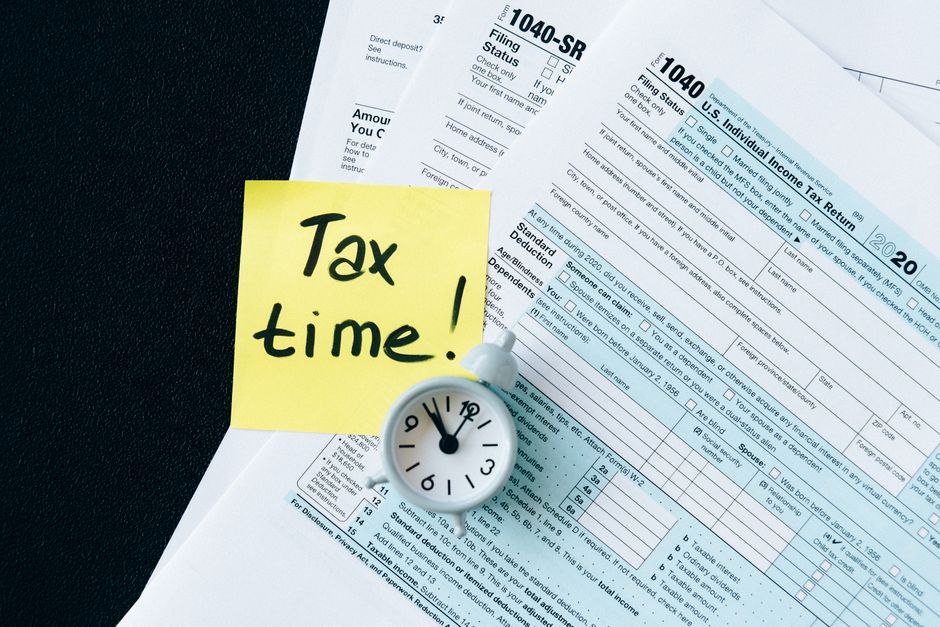
The income tax department has extended the tax audit deadline to October 21. This gives self-employed individuals and small business owners more time to prepare their tax filings. This extension is crucial for taxpayers who need to review their tax audit reports and income tax returns (ITRs). The deadline for filing ITRs has also been pushed to November 21, allowing for further compliance time.
This extension responds to challenges that tax professionals have faced. Technical glitches and compliance issues have complicated the filing process. Taxpayers are urged to use this extra time wisely. They should ensure their documents are accurate and complete before submission. According to a report by Mint, this decision shows the government’s recognition of the difficulties taxpayers have encountered.
Understanding the Implications of the Extended Deadline
Self-employed individuals and small business owners may wonder how this extended deadline affects their tax filing strategies. The extra time allows taxpayers to reconcile discrepancies in their tax documents. It also helps ensure compliance with the latest regulations. Tax experts recommend that those with finalized accounts should not delay filing their returns. Delaying can lead to unnecessary complications. As highlighted by Optima Tax Relief, early filing can significantly reduce stress associated with last-minute submissions.
Career Ahead’s analysis finds that self-employed individuals who file early can lower the risk of last-minute technical issues. Filing before the deadline allows quicker processing of potential refunds. It also decreases the likelihood of errors that may arise from rushing. The extended deadline gives taxpayers a chance to consult tax professionals. This can clarify uncertainties regarding their filings, especially with complex tax regulations.
However, taxpayers should not treat the extended deadline as a new target date. Experts warn against waiting until the last minute. This can lead to operational difficulties, especially if discrepancies need to be addressed. Taxpayers are advised to complete their filings well before the deadline. The extra time can also be used to review key figures across various documents. This includes income tax returns, GST returns, and TDS records. Ensuring consistency among these documents can help identify potential issues before submission. This reduces the risk of audits or penalties later.
In essence, the extension provides a crucial buffer for self-employed individuals and small business owners.
In essence, the extension provides a crucial buffer for self-employed individuals and small business owners. They can enhance the accuracy of their tax filings. By taking advantage of this time, they can ensure compliance while minimizing complications. Moreover, the tax department may use this period to refine its processes. This could lead to improved taxpayer experiences in the future.
Strategies for Filing: Now or Later?
With the extended deadline in mind, self-employed individuals and small business owners must decide whether to file now or wait. Experts generally recommend filing as soon as possible if all necessary documentation is ready. This proactive approach helps mitigate risks associated with technical issues that may arise as the deadline approaches. Tax professionals note that those who wait until the last minute may scramble to resolve discrepancies, leading to costly mistakes.
For taxpayers with finalized accounts, filing early can lead to faster processing of refunds. It also provides a smoother overall experience. The extended deadline allows for a thorough approach to filings. This includes reviewing financial records and ensuring all income and expenses are accurately reported. Accurate reporting is crucial for avoiding audits. However, some scenarios may benefit from delaying the filing. For instance, under Section 43B of the Income-tax Act, certain expenses become deductible only if paid before the ITR filing deadline. If a business plans to make significant payments, like bonuses, it may be strategic to wait until after those payments to file the tax audit report.
Ultimately, the decision to file now or wait should be based on individual circumstances. Taxpayers should evaluate their readiness and the potential benefits of early filing against the risks of waiting. It’s crucial to stay informed about the implications of the extended deadline to make the best decision. As taxpayers navigate this process, they should remember that interest penalties for late filing continue to accrue until the return is submitted. Any delay in filing could increase costs, making timely submission essential for financial planning.

In summary, while the extended deadline offers more time, self-employed individuals and small business owners should carefully consider their filing strategies.
In summary, while the extended deadline offers more time, self-employed individuals and small business owners should carefully consider their filing strategies. They should optimize their tax outcomes as the October 21 deadline approaches. Taxpayers should stay vigilant about their filing status and ensure they are prepared to submit their documentation on time. This proactive approach can help them avoid complications and maintain compliance with tax regulations.
As the tax season progresses, taxpayers should be aware of ongoing discussions about tax reforms. These changes could impact their obligations. Understanding these changes is crucial for effective financial planning and compliance. Moreover, the deadline extension may prompt the tax department to review its processes and regulations closely. Taxpayers should anticipate possible adjustments in compliance requirements and prepare accordingly.
In light of these developments, self-employed individuals and small business owners are encouraged to engage with tax professionals. These experts can provide guidance tailored to their specific needs. This collaboration can help navigate the complexities of tax compliance and ensure they are well-prepared for future changes. As taxpayers look ahead, accurate record-keeping and proactive planning are vital. By adopting a forward-thinking approach, self-employed individuals can position themselves for success in an ever-changing tax landscape.
Frequently Asked Questions
What should self-employed individuals do about the extended tax deadline?
Self-employed individuals should assess their readiness to file. If their documents are complete, they should file as soon as possible to avoid last-minute complications.
Small business owners should ensure their financial records are accurate.
How can small business owners prepare for the tax audit?
Small business owners should ensure their financial records are accurate. They should reconcile their tax audit reports with their income tax returns. This preparation helps identify discrepancies before filing.

Is it better to file taxes now or wait until the new deadline?
Filing taxes now is generally recommended if all necessary documentation is ready. Waiting may lead to complications, but some situations may warrant delaying filing until after specific payments are made.
Written by Career Ahead AI. AI can make mistakes, so verify key facts. Report errors to support@careeraheadonline.com.