No products in the cart.

Teachers Must Spot Student Distress, Not Replace Counsellors

India recorded 14,488 student deaths by suicide in 2024, a 4.3% increase from the previous year. Experts emphasize the need for better training for teachers to identify early signs of psychological distress among students, while clarifying that teachers should not replace counselors.

India recorded 14,488 student deaths by suicide in 2024. This marks a 4.3% increase from the previous year, according to the National Crime Records Bureau (NCRB). This alarming trend has led experts to call for better training for teachers. They need to identify early signs of psychological distress among students. The Supreme Court’s National Task Force on Mental Health Concerns of Students emphasizes that teachers should not replace counselors. However, their role in recognizing and responding to student distress is vital.
The growing awareness of mental health issues in schools is timely and necessary. Many students avoid counseling services due to stigma and mistrust. They often see these services as surveillance rather than support. This situation calls for a shift in how schools approach mental health. Teachers need skills to be the first line of support. Many students may not seek help from counselors because they fear judgment or misunderstanding. This highlights the need for teachers to create a supportive environment.
Training Programs for Teachers: A Vital Step
Experts say training programs for teachers should focus on recognizing behavioral changes that indicate distress. Dr. Heenakshi Bhansali, an Assistant Professor in Clinical Psychology, notes that teachers often see changes in students before anyone else. By being trained to notice signs like withdrawal or declining performance, teachers can intervene early. Training should also include strategies for fostering resilience among students. This equips teachers to identify distress and promote coping mechanisms.
The goal of this training is not to make teachers mental health professionals. Instead, it aims to encourage empathetic communication and appropriate referrals to qualified counselors. Programs that focus on basic psychological first response empower teachers to have meaningful conversations with students. They can offer support without judgment. Relias Academy highlights the importance of suicide prevention training. Understanding mental health can build compassion and awareness in schools. Such training helps teachers respond effectively to distressed students, ensuring they are not alone in their challenges. Integrating mental health education into teacher training is crucial for preparing educators for various classroom scenarios.
Additionally, Free State Social Work offers continuing education courses on suicide prevention. These courses emphasize the need for educational staff to be ready for potential crises. These resources help schools implement a structured approach to mental health support. This reinforces the critical link between teachers and mental health services. Collaboration between teachers and mental health professionals can create a better support system for students. It ensures that their emotional and psychological needs are met effectively.
Additionally, Free State Social Work offers continuing education courses on suicide prevention.
You may also like
 Education & University Insights
Ambedkar University Updates PhD Fellowship Guidelines
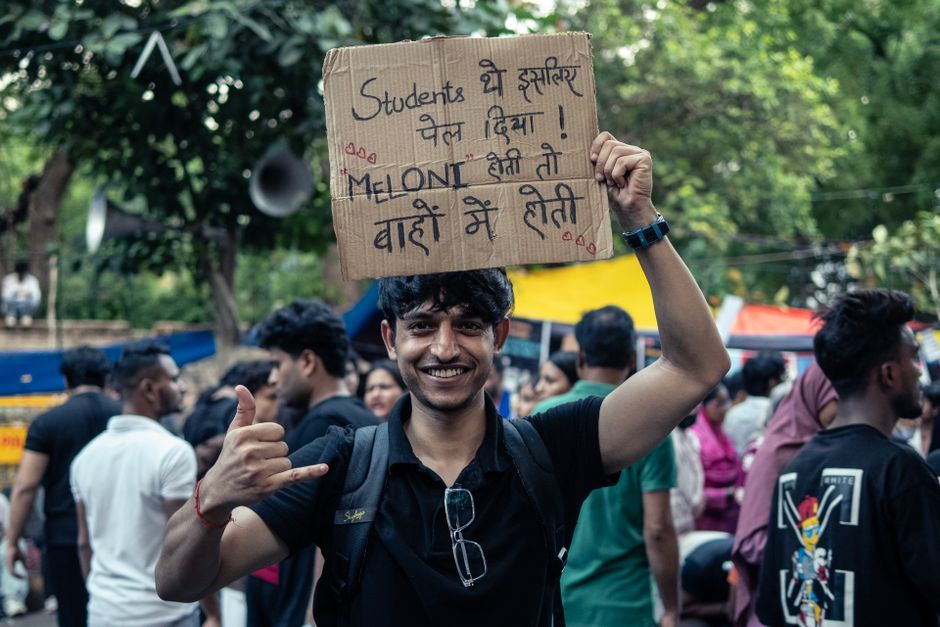
Ambedkar University has revised its PhD fellowship guidelines, easing attendance requirements following significant student protests. The changes reflect a growing trend in higher education where…
Read More →A well-trained teaching staff can create an environment where students feel safe to express their struggles. This proactive approach can lead to earlier interventions, potentially saving lives. Schools that prioritize mental health training for their staff enhance student well-being. They also contribute to a positive school culture where mental health is openly discussed and addressed.
The Role of Counselors in Schools
While training teachers is essential, we must also recognize the unique role of school counselors. Counselors have specialized training in mental health issues. They provide targeted support to students who need it. Their role includes conducting assessments, offering therapy, and developing mental health programs in schools. Dr. Bhansali warns against expecting teachers to diagnose or treat mental health conditions. This is beyond their professional competence. Instead, teachers should guide students to the right resources. This collaborative approach ensures that teachers can identify distress while counselors provide necessary support.
The National Task Force points out that many schools lack adequate counseling services. Even where services exist, students may hesitate to use them due to fears of stigma or confidentiality breaches. Enhancing the visibility and accessibility of counseling services is critical. Institutions must create a culture that prioritizes mental health support. This environment should make students feel comfortable seeking help. It includes not only trained teachers but also accessible counselors who can address various mental health concerns.
The data shows that a robust support system is urgently needed. The rise in student suicides highlights the importance of integrating mental health awareness into education. Both teachers and counselors must work together to support student well-being. Their collaboration can lead to a better understanding of student needs. This allows for tailored interventions that address the unique challenges each student faces.

Both teachers and counselors must work together to support student well-being.
The implications of these findings extend beyond individual schools. The rising rates of student suicides call for systemic change in how educational institutions handle mental health. There is a pressing need for policies that prioritize mental health resources. This includes adequate funding for counseling services and training programs for teachers. Career Ahead’s analysis finds that institutions investing in mental health training improve student outcomes and foster a positive school culture. When students feel supported, they are more likely to engage academically and socially. This reduces the risk of isolation and distress.
You may also like
 Education & University Insights
Cornell University Faces Nightlife Challenges Amid Recent Turmoil
Cornell University is grappling with a decline in student nightlife and social engagement following serious allegations on campus. This shift not only affects student life…
Read More →As educational institutions adapt to these challenges, they may also need to implement effective grievance-redressal systems and anti-bullying measures. These systems can create a safer environment for students. They address the root causes of distress that may lead to suicidal thoughts. In light of these challenges, the role of educational institutions is becoming increasingly significant. They must remain vigilant and proactive in implementing comprehensive support systems.
Looking ahead, the ongoing discussion around mental health in schools will likely shape future educational policies. With increasing awareness, there is potential for a more integrated approach to mental health. This approach should encompass training, support, and resources for both teachers and students. The commitment to mental health education and support must be sustained. This ensures that students can thrive in a safe and nurturing environment.
Frequently Asked Questions
What training do high school teachers need to identify student distress?
High school teachers need training in recognizing behavioral changes and signs of psychological distress, such as withdrawal or declining performance. This training should focus on empathetic communication and appropriate referrals to mental health professionals.
This collaboration ensures that teachers can effectively support students while counselors manage more complex mental health needs.
How can school counselors support teachers in recognizing mental health issues?
School counselors can provide training and resources to teachers. This helps them identify signs of distress and understand the referral process. This collaboration ensures that teachers can effectively support students while counselors manage more complex mental health needs.
What steps should high school teachers take if they notice signs of distress in students?
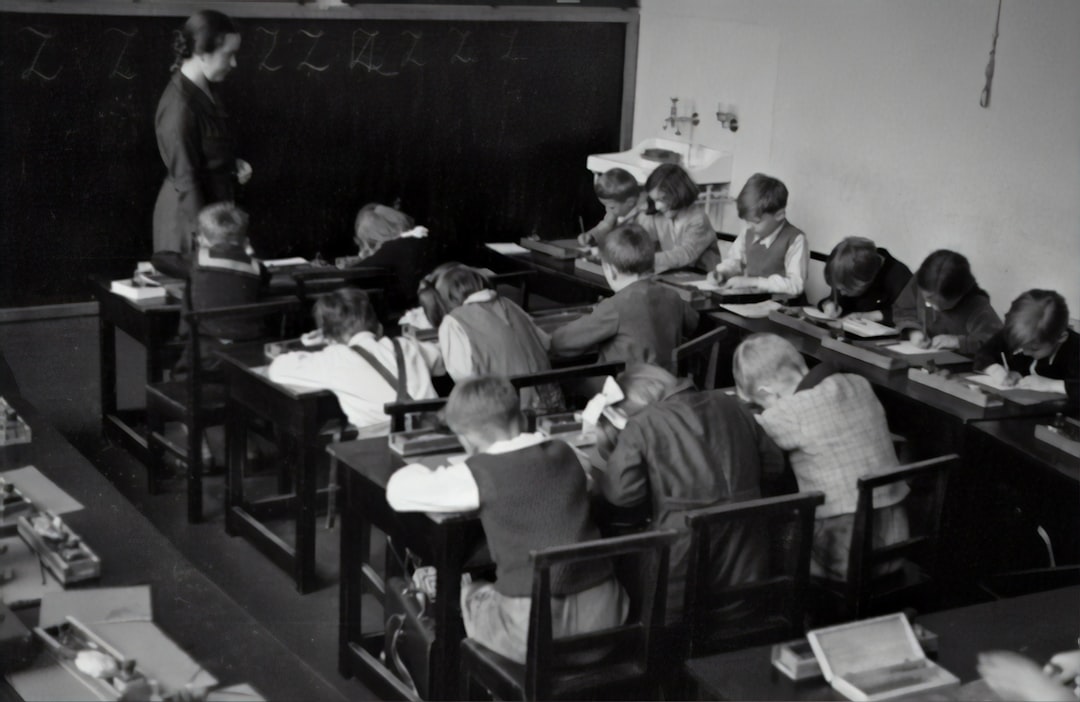
If teachers notice signs of distress, they should have a non-judgmental conversation with the student. They should express concern and guide them to appropriate mental health resources. Maintaining confidentiality while ensuring the student feels supported is crucial.
You may also like
 Education & University Insights
Inside the Enrollment Cliff Hitting US Colleges
US colleges are facing a dramatic decline in enrollment numbers, a trend that has been accelerating since 2022. This decline poses significant challenges for institutions,…
Read More →