No products in the cart.

Tech Transforms Woodworking Industry
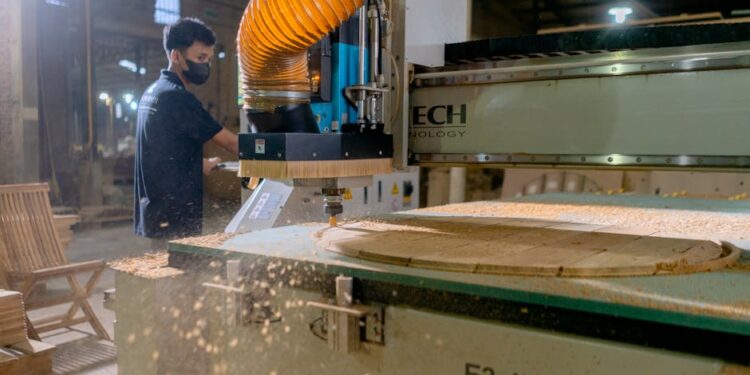
Recent innovations are reshaping woodworking, enhancing safety and efficiency through advanced technologies. From improved dust collection systems to the rise of smart tools, the industry is evolving rapidly.

Transforming Workshop Safety
Woodworking has traditionally been associated with dust and safety hazards. However, recent innovations are changing this perception. Companies are now using advanced dust collection systems to improve air quality in workshops. For instance, BlastGate.com has developed a device that optimizes dust extraction only when needed, significantly reducing energy costs.
In addition to better dust management, safety features in woodworking tools have seen significant enhancements. SawStop, a US company, has introduced a technology that stops saw blades within milliseconds upon detecting skin contact. This quick response can prevent serious injuries, demonstrating how tech is not just improving efficiency but also prioritizing the safety of woodworkers.
Moreover, the Hand Guard technology from Altendorf utilizes AI and cameras to monitor proximity to blades. This system aims to minimize false alarms while ensuring worker safety, showcasing the intersection of technology and craftsmanship.
The Rise of Smart Woodworking Tools
The tools used in woodworking have evolved dramatically. Traditional methods are now complemented by advanced machinery such as CNC routers, which allow for precision cutting and design flexibility. These machines have become more user-friendly, broadening access to woodworking for hobbyists and professionals alike.
3D printers are also making waves in this industry. Woodworkers can now create personalized tools and components that were previously difficult to produce. This shift not only enhances creativity but also allows for custom solutions tailored to specific projects.
These machines have become more user-friendly, broadening access to woodworking for hobbyists and professionals alike.
Furthermore, the integration of software in woodworking processes has streamlined operations. Automated features like tool changing in CNC machines save time and reduce manual errors, making the workflow more efficient.
Generative AI in Woodworking Design
Generative AI is another game-changer in woodworking. It aids woodworkers in designing and managing materials more effectively. For example, during renovations, woodworkers can quickly access relevant building regulations through AI chatbots. This capability reduces research time and enhances project efficiency.
AI image generators are also being utilized in creative processes, providing woodworkers with multiple design options and enabling faster decision-making in projects. This is particularly beneficial in fast-paced environments like set design, where time is of the essence.
However, there is a cautionary note regarding the over-reliance on AI. Experts warn that while AI can enhance productivity, it should not replace hands-on experience and understanding of materials and tools. Balancing technology with traditional skills remains crucial.
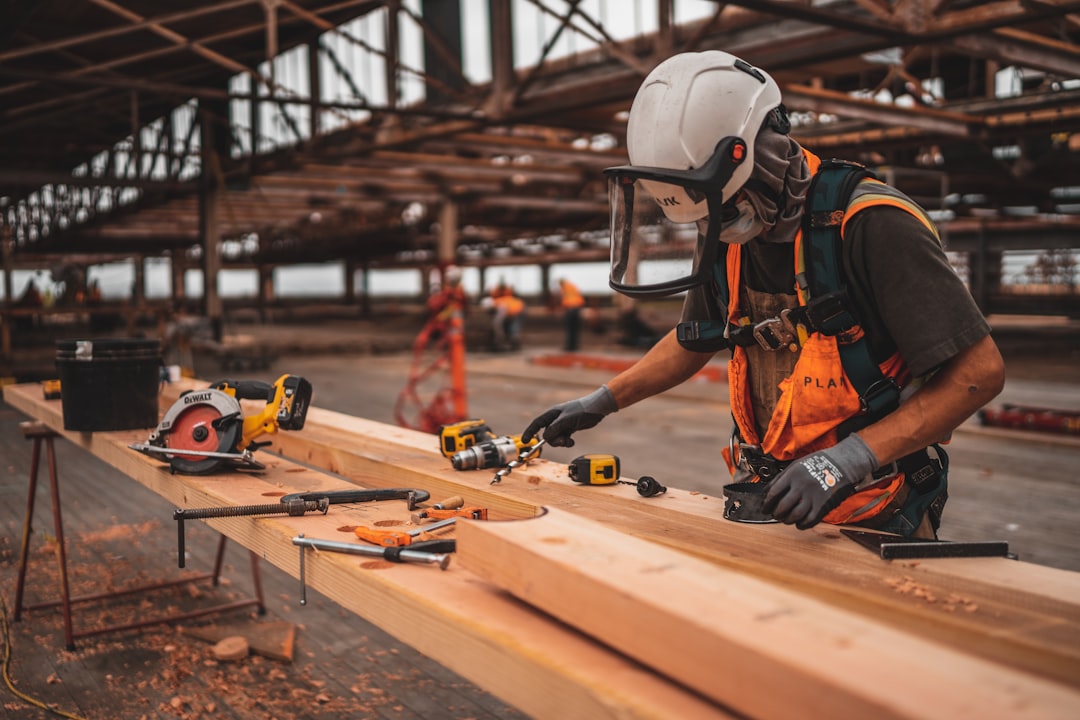
Microfactories: The Future of Woodworking Production Innovative companies are exploring microfactories, which bring woodworking capabilities directly to construction sites.
Microfactories: The Future of Woodworking Production
Innovative companies are exploring microfactories, which bring woodworking capabilities directly to construction sites. Automated Architecture, a UK-based firm, has developed a mobile microfactory that can produce all timber panels needed for a typical home within a day. This approach reduces transportation costs and time, making construction more efficient.
The microfactory concept not only streamlines production but also allows for greater customization in building projects. By integrating software that converts housing designs into robotic instructions, these factories represent a significant leap in how wood is utilized in construction.
This shift towards automation in woodworking does raise questions about the future of traditional carpentry. While some view it as a threat, others believe it complements existing skills, allowing carpenters to focus on more complex tasks.
Challenges and Considerations for Woodworking’s Future
Despite the advancements, the woodworking industry faces challenges. The high cost of advanced machinery can be a barrier for small businesses and individual woodworkers. While some tools become more compact and affordable, the initial investment can still be daunting.
Moreover, as technology advances, the need for continuous learning becomes essential. Woodworkers must stay updated on the latest tools and techniques to remain competitive. This requirement can be overwhelming for some, especially those who are accustomed to traditional methods.
Moreover, as technology advances, the need for continuous learning becomes essential.

Additionally, the reliance on technology raises concerns about job displacement. While automation can enhance efficiency, it may also lead to fewer job opportunities in certain areas of woodworking.
Sources: Tech, Biztoc, Sharewatch.
Written by Career Ahead AI. AI can make mistakes, so verify key facts. Report errors to support@careeraheadonline.com.