No products in the cart.

Tesla’s Optimus Robot Faces Significant Manufacturing Challenges
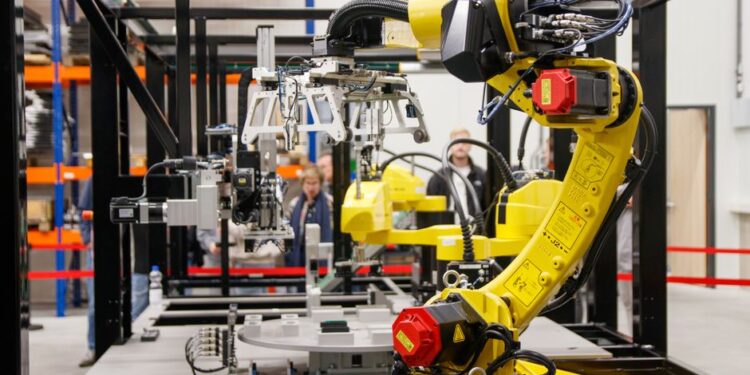
Tesla's Optimus robot is struggling with production issues that could impact the future of humanoid robotics and automation jobs. As the company aims for mass production, the complexities of assembly and technology integration present significant hurdles.

California, USA — Tesla’s Optimus robot is facing serious manufacturing challenges as it attempts to ramp up production. The company has set an ambitious goal of producing 20,000 units each week, yet recent reports indicate that production is currently limited to just a few hundred robots weekly. This disparity highlights the complexities involved in humanoid robotics development and the evolving demands of the industry.
The transition from automotive manufacturing to robotics has not been seamless for Tesla. The production lines for the Optimus robot are newly established and require precise alignment of smaller components, which is a stark contrast to the larger parts typically used in car manufacturing. This shift has led to delays and inefficiencies, complicating the assembly process.
Challenges in Humanoid Robot Assembly
Assembling the Optimus robot’s hands and forearms is particularly intricate, involving over 100 screws and components that often require manual assembly. This reliance on human labor significantly slows down production, limiting Tesla’s ability to scale operations effectively. According to reports from appify.global, the company is struggling to automate critical processes necessary for mass production.
Moreover, Tesla’s strategy of repurposing its Model S and Model X assembly lines for the Optimus robot has introduced additional complications. While this approach initially appeared promising, it has resulted in significant manufacturing issues. The smaller robot parts necessitate a level of precision that is not required for traditional automotive components. As noted by egov.mn, these challenges are both technical and logistical, as workers must adapt to new assembly methods and technologies.
Despite these setbacks, Tesla continues to innovate. The latest iterations of the Optimus robot are lighter and equipped with more cameras than their predecessors. However, they still lack a crucial “sensing glove” currently under development, which is intended to enhance the robot’s durability and ease of maintenance. This area remains a key focus for Tesla as it strives to improve its humanoid robots.
As noted by egov.mn, these challenges are both technical and logistical, as workers must adapt to new assembly methods and technologies.
Implications for the Robotics Industry
The manufacturing hurdles faced by Tesla reflect broader challenges within the humanoid robotics sector. As other developers pivot towards less lifelike designs, Tesla’s ambition to create a fully functional humanoid robot places it at risk of falling behind. If the company cannot resolve these production issues, it may struggle to maintain its competitive edge in the rapidly evolving robotics landscape.
According to an analysis by Career Ahead, Tesla’s ongoing manufacturing challenges could have significant repercussions for the robotics engineering field. As demand for humanoid robots increases, the industry will require skilled professionals capable of navigating complex assembly processes and developing innovative solutions to manufacturing problems.
Future of Automation Jobs
The difficulties associated with the Optimus robot raise critical questions about the future of automation jobs. Tesla’s plan to lease these robots rather than sell them outright may result in a prolonged need for human labor in manufacturing, delaying the shift to fully automated production lines.
Furthermore, the integration of AI into robotics is becoming increasingly vital. As Tesla refines its robots, the demand for engineers skilled in AI and machine learning is expected to rise. Robotics engineers will need to develop algorithms that enhance robot functionality, particularly in areas such as sensory perception and autonomous decision-making.
As companies invest in humanoid robotics, they must consider the implications for their workforce and the skills required for future roles.
As reported by jazawta.com, the future of work in automation is likely to involve a hybrid model where human workers and robots collaborate. This could create new job opportunities in fields like robot maintenance, programming, and oversight. However, it also presents challenges, as existing roles may evolve or become obsolete.
The tension between human labor and automation is not a new phenomenon. However, the challenges faced by Tesla’s Optimus robot underscore the urgency of addressing these issues. As companies invest in humanoid robotics, they must consider the implications for their workforce and the skills required for future roles.
Looking Forward: The Evolution of Robotics
As Tesla continues to refine its production processes and technology, the robotics industry must remain vigilant. The outcomes of these efforts could significantly alter how humanoid robots are perceived and utilized in the workforce. If Tesla can overcome its manufacturing challenges, it may set a new standard for the industry, influencing how robots are integrated across various sectors.
In summary, the journey of Tesla’s Optimus robot is emblematic of the broader challenges and opportunities within the robotics field. As the company navigates these hurdles, the implications for automation jobs and the future of humanoid robotics will be closely watched by industry stakeholders.
Frequently Asked Questions
What are the key challenges in humanoid robot development?
The key challenges in humanoid robot development include complex assembly processes, precision manufacturing, and integrating advanced AI technologies. Tesla’s Optimus robot exemplifies these issues, as it requires manual assembly for many parts and faces production delays.
However, it also creates opportunities for automation specialists to develop and maintain these robots, emphasizing the need for advanced technical skills in the workforce.
How does Tesla’s Optimus impact the future of automation jobs?
Tesla’s Optimus robot may prolong the need for human labor in manufacturing due to its reliance on manual assembly. However, it also creates opportunities for automation specialists to develop and maintain these robots, emphasizing the need for advanced technical skills in the workforce.
What skills should robotics engineers focus on to address current industry challenges?
Robotics engineers should focus on skills related to AI integration, precision manufacturing, and complex assembly techniques. As the industry evolves, expertise in these areas will be crucial for developing and maintaining advanced humanoid robots like Tesla’s Optimus.
Written by Career Ahead AI. AI can make mistakes, so verify key facts. Report errors to support@careeraheadonline.com.