
In today’s professional development landscape, etiquette classes are becoming essential for continuing education. As workplaces grow more diverse, professionals need to manage social interactions better. This trend highlights the importance of soft skills alongside technical knowledge. Organizations are now looking to include etiquette training in their educational programs.
Recent discussions in the corporate world show that etiquette is increasingly recognized as a key management skill. A venture capital firm has initiated an “etiquette finishing school” for startup founders and tech entrepreneurs, focusing on vital social skills that extend beyond mere dress codes. Such initiatives indicate that companies recognize how etiquette training can improve workplace dynamics and productivity.
Growing Interest in Etiquette Training
As businesses become more global and culturally diverse, the demand for etiquette training is on the rise. Career Ahead’s analysis reveals that many professionals are actively seeking courses on interpersonal skills and workplace etiquette. Data from College Cliffs shows that various fields, including healthcare, law, and engineering, require ongoing education to maintain licenses. However, many of these programs still lack essential soft skills training, particularly in etiquette.
Etiquette encompasses behaviors that promote respectful and effective communication at work, covering essential practices like punctuality, politeness, and engaging with colleagues from diverse backgrounds. The Encyclopedia Britannica notes that etiquette is not merely about social niceties; it involves understanding and respecting diverse perspectives. This understanding is vital in today’s complex work environments, where professionals collaborate with individuals from various generations, cultures, and belief systems.
Moreover, etiquette training impacts more than individual interactions. Organizations that prioritize etiquette foster a positive workplace culture, leading to higher employee satisfaction and retention. A study by Continued.com indicates that companies investing in soft skills training see improvements in team collaboration and productivity, making a strong case for HR managers to advocate for etiquette classes in their training programs.
This understanding is vital in today’s complex work environments, where professionals collaborate with individuals from various generations, cultures, and belief systems.
Boosting Communication and Team Dynamics
Integrating etiquette training into continuing education can significantly enhance employees’ interpersonal skills. Research from Career Ahead shows that many professionals struggle with communication, especially in diverse teams. Poor communication can lead to misunderstandings and conflicts, negatively affecting team dynamics and productivity.
 Career Guidance
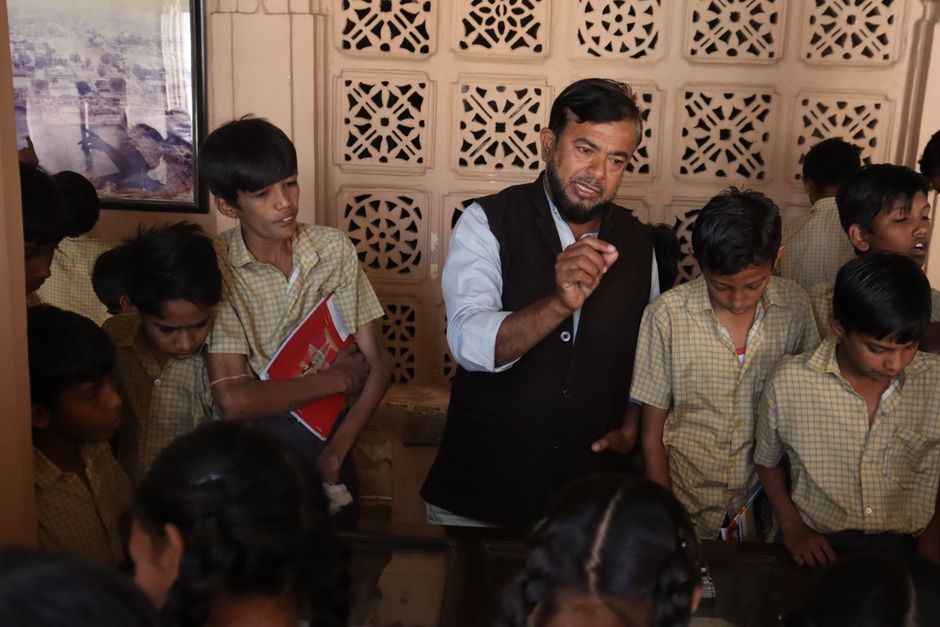
Gujarat Boosts Teachers with Career Guidance Training
Gujarat has initiated a comprehensive training program for teachers aimed at enhancing their ability to guide students in making informed career choices, addressing a critical…
Read More →Etiquette classes provide practical strategies for improving communication and respect among colleagues, teaching professionals active listening, expressing appreciation, and managing challenging conversations. These skills are crucial in today’s work environment, where remote and hybrid models are prevalent. Knowing how to communicate effectively in various contexts is key to maintaining strong professional relationships.
Furthermore, the impact of etiquette training on workplace culture is profound. Companies that prioritize etiquette create an inclusive environment where all employees feel valued. This is especially important in diverse workplaces, where individuals may have different cultural norms and communication styles. By equipping employees to navigate these differences, organizations can cultivate a more cohesive and collaborative workplace.

Preparing Future Professionals for Diverse Workplaces
As the workforce evolves, the emphasis on soft skills like etiquette is expected to grow. New professionals entering the job market must possess both technical expertise and strong interpersonal skills. Educational institutions are beginning to recognize the need to integrate soft skills training into their programs, as noted by DDE College Portal. This shift is essential to prepare the next generation of professionals for diverse work environments.
In summary, the trend of incorporating etiquette classes into continuing education programs reflects a growing acknowledgment of the importance of soft skills in professional development. As workplaces continue to evolve, etiquette training will play a crucial role in shaping workplace culture and enhancing interpersonal relationships. Organizations must consider effective implementation strategies for etiquette training to foster a more inclusive and productive work environment.
Preparing Future Professionals for Diverse Workplaces As the workforce evolves, the emphasis on soft skills like etiquette is expected to grow.

Frequently Asked Questions
What are the benefits of etiquette classes for corporate professionals?
Etiquette classes help corporate professionals enhance their interpersonal skills, leading to improved communication and collaboration within teams. They also promote a respectful workplace culture, boosting overall employee satisfaction and productivity.
How can HR managers implement etiquette training in their organizations?
HR managers can implement etiquette training by partnering with specialized organizations that offer tailored programs. These collaborations provide employees with practical skills that address their workplace’s specific needs.
What should corporate professionals do to improve their soft skills?
 Career Guidance
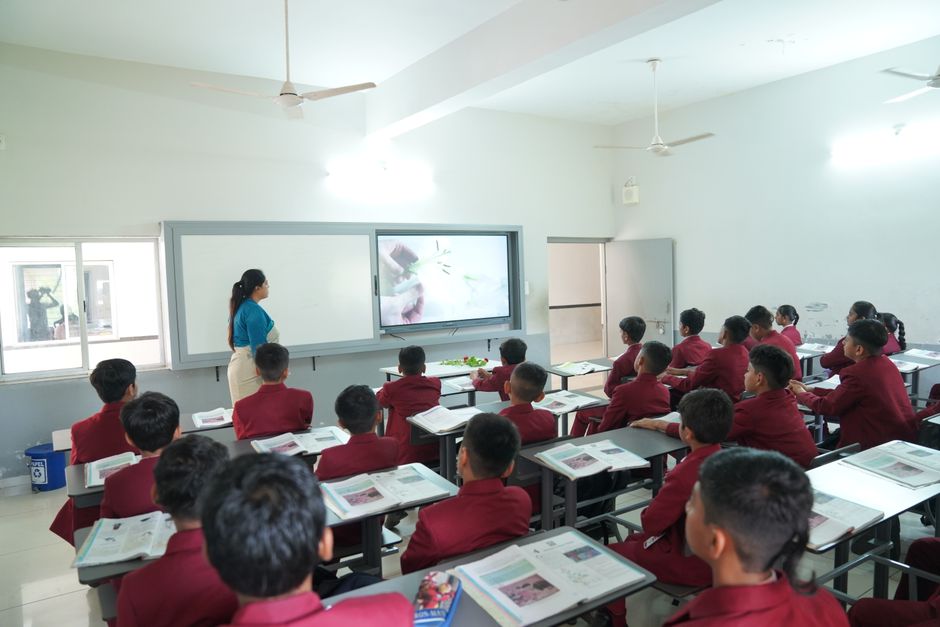
Gujarat Empowers Teachers with Career Guidance Training
Gujarat's education department has launched a training program to equip teachers with skills for providing informed career guidance to students, covering various educational and vocational…
Read More →Corporate professionals should seek continuing education opportunities that focus on soft skills, including etiquette training. Participating in workshops and courses can help them develop the necessary skills to navigate diverse work environments effectively.
Written by Career Ahead AI. AI can make mistakes, so verify key facts. Report errors to support@careeraheadonline.com.