No products in the cart.

The Evolving Value of Degrees in 2025

As the job market evolves, the relevance of degrees is under scrutiny. This analysis explores the changing landscape of education and skills.

San Francisco, USA — A degree was once a golden ticket to career success. In 2025, that ticket is being scrutinized. As the job market shifts towards skill-based hiring, the value of traditional degrees is being challenged across multiple industries.
In recent years, companies such as Google and IBM have redefined their hiring criteria. They now prioritize skills and experience over formal educational credentials. In 2020, Google launched its Career Certificates program, allowing individuals to gain job-ready skills in fields like IT support and data analytics without a degree. This initiative has proven popular, with over 100,000 students enrolled by 2022, and the company reports that 75% of those hired through this program did not have a four-year degree[1].

The growing trend of alternative credentials is reshaping the educational landscape. Micro-credentials, boot camps, and online courses are gaining traction. A report by the Lumina Foundation indicates that more than 60% of employers now recognize the value of non-degree credentials[2]. This shift reflects a broader acceptance of diverse educational pathways. However, the question remains: do degrees still matter?
The Industry Perspective
Different sectors view degrees through varied lenses. In technology, the emphasis is on practical skills. Companies like Salesforce and Amazon are increasingly hiring based on competency rather than academic background. A 2023 study by the National Association of Colleges and Employers revealed that 67% of employers in tech consider skills assessments more important than degrees[3].
 Current Affairs
US Job Creation Slows to Weakest Level Since COVID Pandemic
US job creation has slowed significantly in 2025, marking the weakest growth since the COVID pandemic. This analysis explores the…
Read More →Conversely, industries such as healthcare and law still heavily favor traditional degrees. In these sectors, credentials are often tied to regulatory requirements. For instance, a licensed nurse must hold a degree to practice legally. This dichotomy illustrates that while some fields evolve, others remain anchored in traditional education.
According to a survey from Strada Education Network, 54% of current college students are questioning the return on their education investment[4].
The Student Experience
For students, the changing landscape presents both opportunities and challenges. Many are reconsidering their educational investments. According to a survey from Strada Education Network, 54% of current college students are questioning the return on their education investment[4]. As tuition costs continue to rise, students are seeking alternative pathways that offer quicker, more affordable routes to employment.
Online learning platforms like Coursera and edX are seeing unprecedented growth. In 2023, Coursera reported a 40% increase in enrollments compared to the previous year. This trend highlights a shift in how students perceive education. They are prioritizing skills acquisition over traditional degree attainment.
Employer Expectations
Employers are adapting to these changes as well. A report from McKinsey & Company found that 87% of companies are experiencing skill shortages, prompting a reevaluation of hiring practices[5]. Organizations are now more inclined to invest in training for candidates who show potential rather than those who merely possess degrees. This shift is particularly evident in sectors facing rapid technological advancements.
Moreover, companies are increasingly looking for soft skills, such as adaptability and problem-solving, which are often not captured by traditional degrees. The focus on these skills is reshaping job descriptions and hiring criteria across industries.
 Career Challenges
Singapore’s Job Market Shifts: Record Low Resignations and Rising Tenure
Singapore sees record low resignation rates as job tenure rises to eight years, highlighting the trend of 'job hugging' in…
Read More →Strategic Education Investments
As the landscape shifts, educational institutions are responding by revising curricula to align with industry needs. Many universities are partnering with businesses to create programs that emphasize practical skills. For example, Arizona State University has introduced a series of micro-credential programs designed in collaboration with local tech companies, aiming to equip students with in-demand skills.
However, the challenge remains. Institutions must balance traditional academic rigor with the demand for flexible, skills-based education. The future may lie in hybrid models that blend degrees with alternative credentials, providing a comprehensive educational experience.
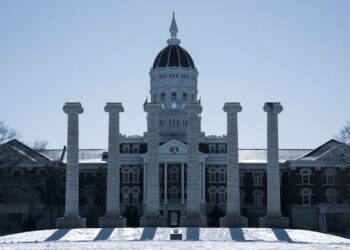
Many universities are partnering with businesses to create programs that emphasize practical skills.
The Future of Credentials
Looking ahead, the value of degrees will likely continue to evolve. While they may not hold the same weight across all industries, they will remain crucial in certain fields. The emergence of alternative credentials suggests a more diversified approach to education and hiring.
As we move toward 2030, the question is not whether degrees will matter, but how they will integrate with new forms of learning. The future will likely see a landscape where skills, experience, and traditional degrees coexist, offering a more holistic view of a candidate’s qualifications.
 Digital Wellness
The Rise of the Smart Worker: Market Insights and Future Trends
The smart worker market is poised for significant growth by 2034. This analysis explores the trends and implications for workplace…
Read More →For job seekers, this means staying adaptable. Embracing continuous learning and seeking out opportunities to develop both hard and soft skills will be paramount. The job market is changing rapidly, and those who can navigate these shifts will thrive in the evolving economy.