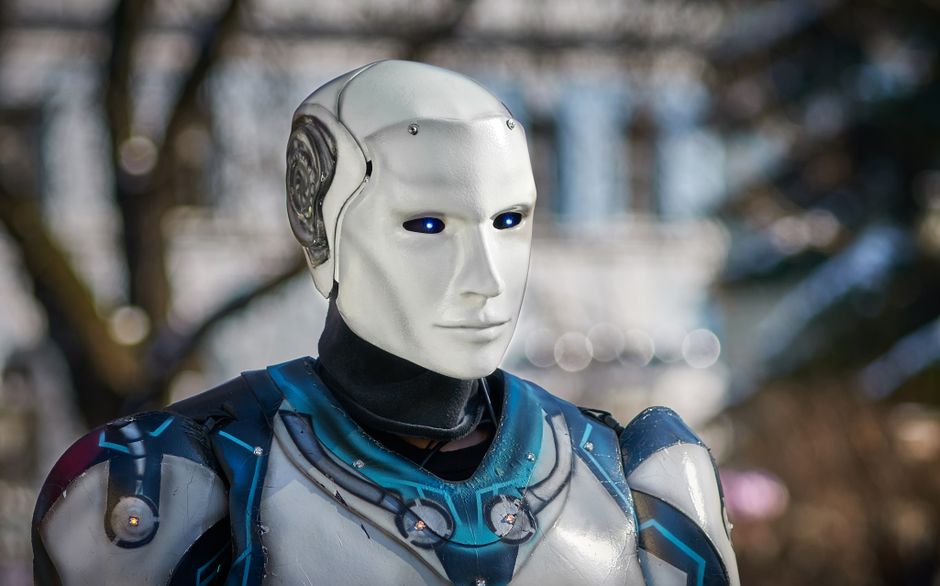
The introduction of Gemini AI by Google marks a significant advancement in humanoid robotics, enhancing robot capabilities through advanced machine learning. This evolution is expected to create new job opportunities and raise ethical considerations as robots become more integrated into daily life.
The introduction of Gemini AI by Google represents a significant leap forward in the development of humanoid robots. This new AI model enhances the capabilities of robots, making them more adaptable and efficient in various applications. As robotics companies like Unitree and AGIBOT push the boundaries of what humanoid robots can do, the implications for robotics engineers and AI researchers are profound.
Gemini AI aims to improve the performance of humanoid robots through advanced machine learning techniques. This includes better navigation, human interaction, and task execution. As companies invest in these technologies, the demand for skilled professionals in robotics and AI is expected to rise, creating new job opportunities in the field. According to a report from Smart Analytics Global, the robotics market is projected to grow significantly, with humanoid robots becoming increasingly integral to various sectors.
Gemini AI: Transforming Humanoid Robotics
Recent developments in humanoid robotics have been remarkable, particularly with the introduction of Gemini AI. This AI model is designed to enhance the functionality of humanoid robots, allowing them to perform complex tasks that were previously unimaginable. For instance, AGIBOT’s A3 Ultra humanoid robot showcases advanced capabilities such as emotional recognition and interaction, which are crucial for applications in customer service and healthcare. The ability of robots to understand and respond to human emotions can significantly improve user experiences in these fields.
According to data from Smart Analytics Global, shipments of humanoid robots surged by 272% in the first half of 2026, driven by industrial and commercial applications. The integration of Gemini AI is expected to further accelerate this growth, as it enables robots to learn and adapt in real-time, making them more effective in dynamic environments. Notably, Google’s Gemini AI has improved coding and automation capabilities significantly. With a score of 65.3% on the DeepSWE v1.1 benchmark, it outperforms previous models, indicating its potential for enhancing robotic programming and control systems. This advancement not only benefits the robots themselves but also opens new avenues for robotics engineers to innovate and develop more sophisticated applications.
The integration of Gemini AI is expected to further accelerate this growth, as it enables robots to learn and adapt in real-time, making them more effective in dynamic environments.
In the last quarter, AI startups attracted over $10 billion in venture capital, a figure that highlights the ongoing investor interest despite economic headwinds.
As companies like Samsung and LG invest heavily in humanoid robotics, the competition in this sector is intensifying. Samsung’s investment of approximately $14 billion into its Robotics eXperience division highlights the growing importance of AI in enhancing the capabilities of humanoid robots. This trend signals a shift towards more intelligent and capable robotic systems that can operate alongside humans in various settings. Furthermore, the collaboration between AI and robotics is becoming more pronounced, with companies leveraging AI advancements to improve robot functionality and efficiency.
OpenAI’s Influence on Robotics
OpenAI’s influence on the robotics landscape cannot be understated. As AI models become more sophisticated, they play a crucial role in the development of humanoid robots. The recent executive changes within OpenAI may create uncertainty, but the ongoing advancements in AI technology will continue to shape the future of robotics. For instance, the introduction of Gemini AI is a direct response to the growing need for more advanced and capable AI systems. This model not only enhances the performance of humanoid robots but also sets new standards for what is possible in robotics. As AI researchers leverage these advancements, they can push the boundaries of robotics even further.
Career Ahead’s analysis indicates that the integration of AI into robotics will lead to increased automation across various sectors. This shift will likely result in job displacement in certain areas, particularly for roles that involve repetitive tasks. However, it will also create new opportunities for engineers and researchers who can develop and maintain these advanced systems. As humanoid robots become more prevalent in industries such as healthcare, customer service, and security, the demand for skilled professionals will rise. Robotics engineers will need to focus on developing robots that can interact with humans effectively, using AI models like Gemini to enhance their capabilities.
Ethical Considerations in Humanoid Robotics
The implications of these advancements extend beyond just job creation. As robots become more integrated into daily life, ethical considerations surrounding their use will become increasingly important. Engineers and researchers must address these challenges to ensure that humanoid robots are developed responsibly and ethically. The rise of emotional robots, as discussed in various sources, indicates a growing trend towards creating robots that can provide companionship and support, raising questions about their role in society and the potential impact on human relationships.
Future Prospects in Humanoid Robotics
As companies continue to invest in AI technologies and robotics, the potential for innovation is vast. The question remains: how will these advancements shape the future of work and human-robot interaction in the coming years? The integration of AI into robotics is not just a technological advancement; it represents a fundamental shift in how humans and machines will coexist and collaborate in various aspects of life.
Chinese AI firm DeepSeek has successfully narrowed the performance gap with leading US AI models to just 3%, signaling a significant shift in the global…
As humanoid robots become more prevalent in industries such as healthcare, customer service, and security, the demand for skilled professionals will rise.
Frequently Asked Questions
What skills do robotics engineers need to work with humanoid robots?
Robotics engineers should focus on interdisciplinary skills that include AI programming, machine learning, and software development. Familiarity with specific AI models, such as Gemini, and experience in robotics design and implementation are also crucial for success in this field.
How can AI researchers leverage advancements in Gemini for their projects?
AI researchers can utilize the capabilities of Gemini AI to enhance their algorithms and improve the performance of robots. By integrating Gemini into their projects, they can develop more sophisticated AI systems that can adapt to complex tasks and environments.
What should robotics engineers consider when integrating AI into humanoid designs?
When integrating AI into humanoid designs, engineers should consider the ethical implications of their work, as well as the technical challenges of ensuring effective human-robot interaction. They must also stay updated on the latest advancements in AI technology to leverage its full potential in their designs.




 AI & Technology
AI & Technology