No products in the cart.

The Hidden Climate Cost of AI Queries: Energy and Sustainability

Discover the environmental impact of AI operations, including energy consumption and water usage. Learn how to balance AI growth with sustainability.

“`html
The Hidden Energy Drain Behind AI Operations
The AI Energy Conundrum: A Growing Concern
When a user submits a prompt to a generative AI chatbox, numerous servers activate worldwide. The International Energy Agency reports that a typical AI data center uses as much electricity as 100,000 households. New facilities under construction may consume about twenty times that, surpassing the power needs of entire towns.
Global Data-Centre Electricity Consumption: A Rising Trend
In 2024, data centers accounted for 1.5% of global electricity consumption. Most demand comes from the United States, China, and Europe. The International Energy Agency predicts that data center electricity use will more than double to 945 terawatt-hours (TWh) by 2030. This amount would exceed half of India’s total electricity consumption in 2023-24 (1,622 TWh).
The IEA’s Warning: Data Centres as a Driver of U.S. Power Growth
The IEA estimates that data centers will contribute to about half of the electricity demand growth in the U.S. from 2025 to 2030. In Ireland, data centers already consume roughly one-fifth of the nation’s electricity supply. This trend indicates that the rise in AI workloads is a key factor in future electricity demand.

This trend indicates that the rise in AI workloads is a key factor in future electricity demand.
India’s Data-Centre Boom: A Double-Edged Sword
Capacity Tripling Since 2020
India has become a hub for AI and digital infrastructure investment. A report from the Council on Energy, Environment and Water (CEEW) shows that the country’s data center capacity has tripled since 2020 and is expected to reach up to 6.5 gigawatts (GW) by 2030. Investments are projected to exceed $100 billion by FY27.
Electricity and Water Footprint: Early Signals
Even now, the impact is significant. In 2025, data centers accounted for 0.5% of India’s electricity consumption but used about 150 billion liters of water—about one-third of Pune’s annual water usage. If growth continues, both electricity and water consumption could double by 2030.
Emerging Hubs and Water Stress
As of January 2026, India had 271 data centers, with Mumbai leading. The concentration of these facilities in coastal cities creates challenges: stressed electricity grids and increased water scarcity due to cooling tower demands.
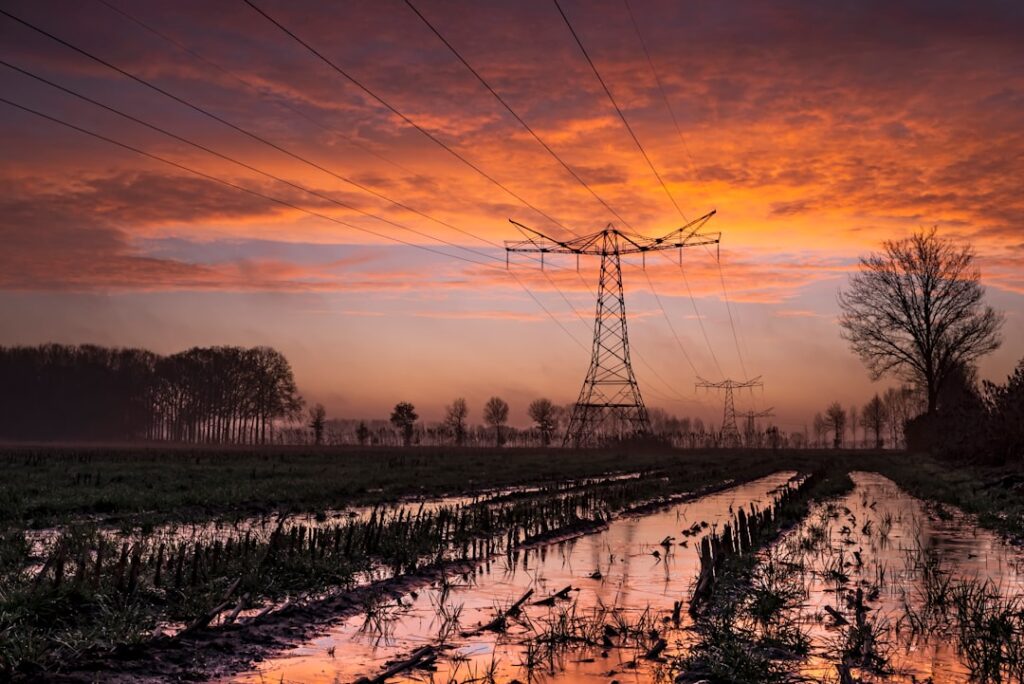
Navigating the Future: Balancing AI Growth and Resource sustainability
The Imperative for Sustainable Data Centres
Policymakers and utilities must consider whether the energy and water infrastructure can support the rapid growth of AI data centers without harming sustainability goals. This requires a shift to more efficient designs.
Optimising Operations for a Greener Footprint
Several strategies can reduce environmental impact:
You may also like
 Digital Innovation
Dubai’s Digital Economy: A New Era with Emirates and flydubai
Dubai's latest partnership between Emirates and flydubai marks a significant step towards a robust digital economy, enhancing payment solutions and customer experiences.
Read More →
Emerging Hubs and Water Stress As of January 2026, India had 271 data centers, with Mumbai leading.
- Renewable Power Integration: Using solar or wind energy with on-site battery storage can reduce reliance on fossil fuels.
- Advanced Cooling Technologies: Switching from water-intensive cooling towers to air-side economizers or evaporative cooling can significantly cut water use.
- Energy-Efficient Hardware: Implementing AI chips that consume less power can lower electricity needs.
- Dynamic Load Management: Using AI to optimize workload distribution can shift demand to areas with excess renewable energy.
Regulatory and Market Levers
Government incentives for green certification and carbon pricing can encourage greener practices. The financial sector is also beginning to prioritize sustainability in investments, with many funds targeting “green” data center projects.
The Long-Term View: Toward a Sustainable AI Ecosystem
AI technology offers potential breakthroughs in healthcare, climate modeling, and education. However, its growth must align with the planet’s limited resources. By integrating renewable energy, efficient cooling, and advanced hardware into data center designs, we can turn the hidden climate costs of AI queries into opportunities for a cleaner digital future.
In the quest for AI advancement, societies must balance computational power with responsible resource management.
“`