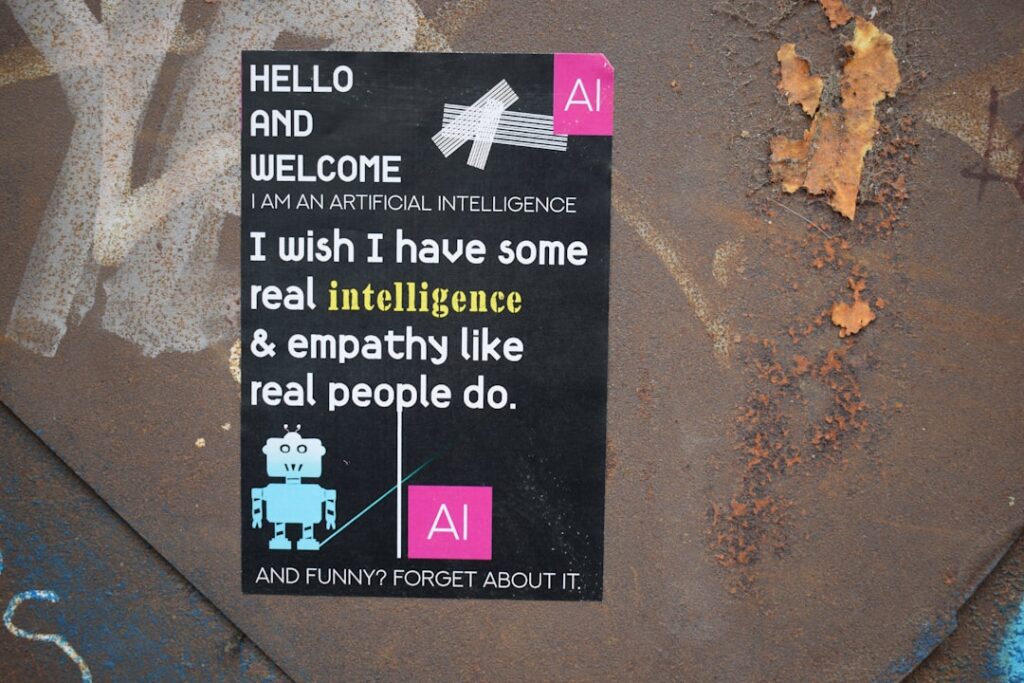
As artificial intelligence (AI) continues to transform industries, companies face a critical challenge: balancing technological advancement with the preservation of essential human skills. A recent article highlights the risk of AI eroding unique capabilities that give businesses a competitive edge. While AI can streamline processes and boost productivity, it may also lead to a loss of adaptability and innovation, two qualities that are vital for long-term success.
The big idea here is that while AI can enhance efficiency, it should not come at the expense of the skills and judgment that define a company’s identity. This concern is echoed by various industry leaders who warn that over-reliance on AI could lead to a homogenized workforce, where creativity and critical thinking are stifled. The challenge lies in implementing AI in a way that complements, rather than replaces, human expertise.
The Dual Nature of AI in Business
AI’s integration into business processes has a dual nature. On one hand, it offers significant advantages such as increased efficiency and cost reduction. However, this reliance on technology can come with hidden costs. Reports indicate that businesses that automate too aggressively risk losing the nuanced skills that are difficult to replicate with AI.
Moreover, as AI systems become more prevalent, there is a growing concern that they may standardize processes to the point where they strip away the unique capabilities of a workforce. This could lead to a situation where employees are trained primarily to operate AI tools rather than develop their own critical thinking and problem-solving skills. As a result, organizations might find themselves less adaptable in the face of unexpected challenges.
To illustrate this point, consider the case of customer service. Many companies have turned to AI-driven chatbots to handle inquiries. While these bots can efficiently manage a high volume of requests, there are concerns that they may lack the empathy and understanding that human representatives provide. This gap can lead to customer dissatisfaction and damage a company’s reputation. Therefore, businesses must find a balance between AI efficiency and the human touch that fosters customer loyalty.
This could lead to a situation where employees are trained primarily to operate AI tools rather than develop their own critical thinking and problem-solving skills.
In this context, leaders are encouraged to focus on developing a hybrid workforce. This means integrating AI tools while ensuring that employees retain their critical skills. Companies that succeed in this balance will be better positioned to innovate and adapt to changing market conditions.
 Entrepreneurship & Business
Europe Adds to Business Regulatory Burden, Speaker Says
The exchange covered deregulation, CBAM, an India-EU trade agreement and trade figures for India’s ties with the EU and the Netherlands.
Read More →Global Perspectives on AI and Skills
The conversation around AI’s impact on skills is not limited to one region; it is a global issue. In the United States, the push for automation is often seen as a way to enhance productivity. However, studies show that this can lead to job displacement, particularly in sectors that rely heavily on routine tasks. The rise of AI has led to significant shifts in the labor market, with many workers needing to reskill to remain competitive.
In Europe, there is a cautious approach to AI integration, with discussions around the need for ethical AI practices that prioritize human skills and values. This perspective is reflected in various initiatives aimed at ensuring that AI complements human labor rather than replacing it. For instance, training programs are being developed to help workers adapt to new technologies while preserving their unique contributions to the workplace.
Meanwhile, in Asia, countries like Japan and South Korea are adopting AI at a rapid pace, and there are concerns about potential skills gaps arising from this technological advancement. As these nations strive to lead in AI innovation, they also recognize the importance of maintaining a skilled workforce capable of navigating complex challenges that AI cannot address.
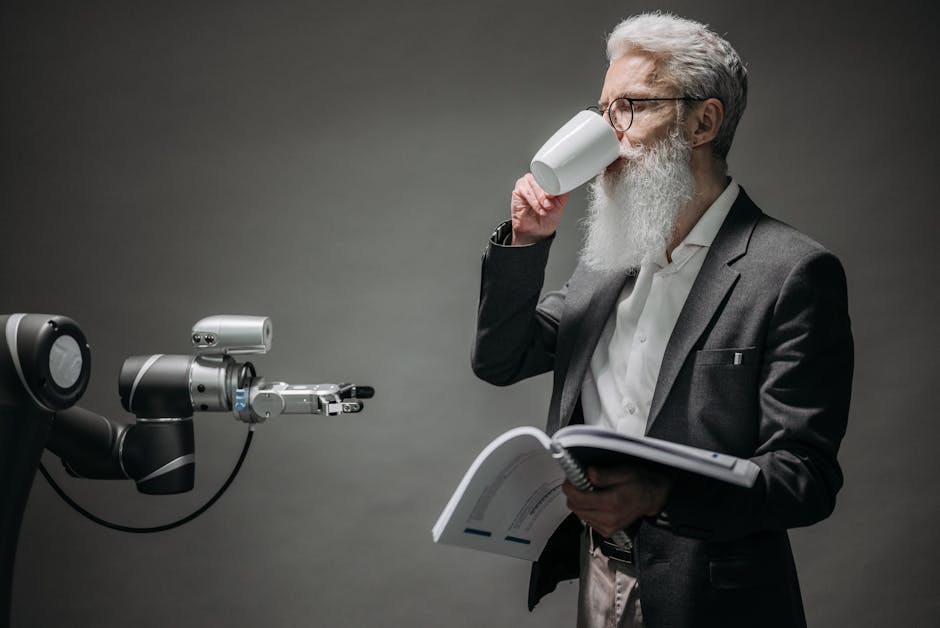
By learning from diverse strategies, companies can develop frameworks that prioritize human skills while embracing the efficiencies that AI offers.
This global context highlights the necessity for businesses to adopt a nuanced approach to AI. By learning from diverse strategies, companies can develop frameworks that prioritize human skills while embracing the efficiencies that AI offers.
Contradictions and Future Outlook
 Entrepreneurship & Business
Use a Business Loan to Fix Cash Flow: Five Decisions
Cash flow is the top challenge for half of small firms. Here is how to choose a loan that fits.
Read More →Despite the clear benefits of AI, contradictions exist in how businesses perceive its role. Some leaders argue that AI will inevitably lead to a more efficient workforce, while others caution that losing human skills could have long-term detrimental effects. This debate underscores the need for a balanced perspective that recognizes both the potential and the pitfalls of AI integration.
The future outlook for businesses navigating this landscape is mixed. On one hand, companies that successfully integrate AI while preserving human skills will likely gain a competitive advantage. They will be more adaptable and innovative, able to respond to market changes with agility. On the other hand, organizations that prioritize automation at the expense of human expertise may find themselves struggling to maintain relevance in an increasingly complex business environment.

To thrive, businesses must invest in training and development programs that empower their workforce to leverage AI tools effectively while honing their critical thinking and problem-solving skills. This approach will not only enhance employee satisfaction but also foster a culture of continuous learning and adaptability.
To thrive, businesses must invest in training and development programs that empower their workforce to leverage AI tools effectively while honing their critical thinking and problem-solving skills.
In conclusion, as AI continues to reshape industries, the need to preserve essential skills has never been more critical. By striking a balance between technological advancement and human expertise, businesses can ensure their long-term competitiveness in an ever-evolving marketplace.
For young professionals entering the job market, understanding this dynamic is vital. As AI becomes more integrated into business practices, the ability to adapt and learn new skills will be essential for career success. Cultivating a mindset of continuous learning and flexibility will be key to thriving in this new landscape.
Written by Career Ahead AI. AI can make mistakes, so verify key facts. Report errors to support@careeraheadonline.com.