No products in the cart.

The Impact of AI on Jobs in Ports and Shipping Logistics
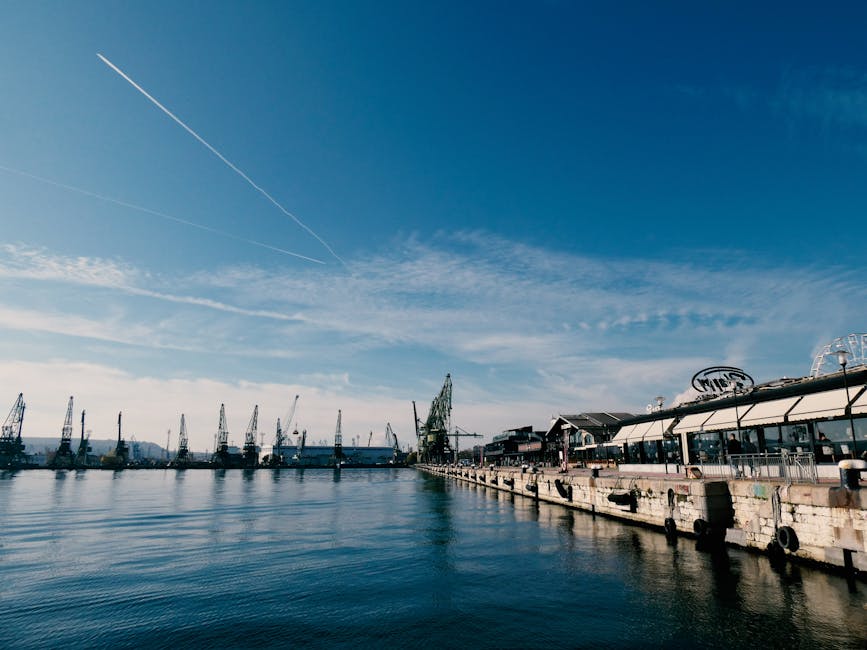
AI is revolutionizing shipping logistics, optimizing operations and reshaping dock worker roles. Explore these changes and their implications.

Los Angeles, USA — The integration of artificial intelligence (AI) into ports and shipping logistics is not just a technological advancement; it’s a transformation that is redefining the landscape of maritime employment. As AI systems take over tasks like cargo optimization, scheduling, and customs processing, the roles of dock workers are evolving dramatically.
Understanding how these changes affect employment is crucial for workers, employers, and policymakers alike. With the global shipping industry projected to reach $15 trillion by 2027, the implications of AI are vast, touching on job security, required skills, and the future of work in a sector that employs millions worldwide.

The maritime shipping industry has long been a backbone of global trade, responsible for transporting over 80% of the world’s goods by volume. However, as ports increasingly adopt AI-driven technologies, the nature of work for dock workers is shifting. Automated systems can now manage complex logistics more efficiently than human labor, leading to a decline in traditional roles while simultaneously creating demand for new skills and positions.
AI technologies are being implemented in various ways. For instance, automated cranes and vehicles optimize cargo handling, reducing turnaround times for ships. According to a report by the International Maritime Organization, ports that adopt AI can see productivity increases of up to 30%[1]. This efficiency not only enhances profitability but also poses significant risks to the traditional workforce.
As ports in cities like Los Angeles and Rotterdam embrace these technologies, the demand for skilled labor in AI management and maintenance is rising.
As ports in cities like Los Angeles and Rotterdam embrace these technologies, the demand for skilled labor in AI management and maintenance is rising. A 2023 report from the World Economic Forum predicts that by 2025, automation will displace 85 million jobs globally, while creating 97 million new roles, many of which will require advanced technical skills[2]. This presents a dual challenge: workers must adapt to new technologies or risk obsolescence.
Moreover, the financial implications are substantial. The global investment in port automation is expected to reach $6 billion by 2025. Companies like KONE and ABB are at the forefront, developing smart technology that integrates AI with existing infrastructure, thereby streamlining operations[3]. These advancements promise enhanced efficiency but also signify a shift in the skill sets required in the workforce.
Some industry experts argue that the transition to AI can be beneficial if managed correctly. For instance, the International Labour Organization emphasizes the importance of reskilling and upskilling workers to adapt to the changing landscape[4]. Initiatives that focus on training dock workers in AI and data analytics could mitigate job losses and help workers transition into new roles that AI technologies create.
However, the transition is not without its controversies. Labor unions are vocal about the potential job losses that automation could bring, advocating for policies that protect workers and ensure fair transitions. The fear of job displacement is palpable, especially in regions where maritime jobs are a primary source of income.
You may also like
 Business
Navigating Concentration Risk in PMS: Insights Ahead of SEBI’s 2026 Changes
Explore concentration risk in Portfolio Management Services and curated portfolios as SEBI prepares for a 2026 overhaul. Learn essential strategies for investors.
Read More →This evolving landscape requires a proactive approach from all stakeholders. Employers must invest in training programs that equip workers with the necessary skills to thrive in an AI-driven environment. Policymakers need to create frameworks that support affected workers, ensuring they have access to resources for retraining and job placement.
Employers must invest in training programs that equip workers with the necessary skills to thrive in an AI-driven environment.
Looking ahead, the future of work in ports and shipping logistics hinges on the balance between automation and human labor. While AI promises increased efficiency and profitability, the challenge lies in harnessing its capabilities without sacrificing job security for millions of dock workers worldwide. The path forward will require innovation in workforce development and a commitment to inclusive growth.
As the maritime industry steers into this new era, one question looms large: How will we redefine work in a world increasingly dominated by machines?