No products in the cart.

The Impact of Sequoia and Nvidia’s Funding on Robotics Jobs
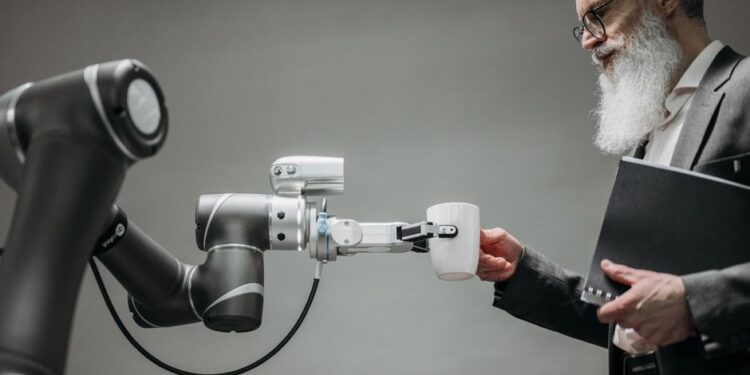
Sequoia Capital and Nvidia's $60 million investment in Mecka AI is set to transform the robotics job market, creating new opportunities for skilled professionals in AI and robotics engineering.

Sequoia Capital and Nvidia have recently invested in Mecka AI’s robotics initiatives, raising $60 million in a Series B funding round. This investment positions Mecka AI to enhance its robotics capabilities significantly. The funding comes at a time when the demand for advanced robotics solutions is on the rise, indicating a transformative shift in the industry.
The backing from two major players in the tech industry not only boosts Mecka AI’s valuation but also highlights the growing interest in robotics as a crucial sector for future innovations. With this funding, Mecka AI aims to expand its data infrastructure and accelerate the development of commercial robots, which could lead to numerous job opportunities in the robotics engineering and AI research fields.
Investment Impact on Robotics Development
Mecka AI’s recent funding round has positioned the company as a significant player in the robotics landscape. The $60 million raised will be utilized to scale their data infrastructure and enhance their research lab capabilities. This move is crucial as the race for robot training data intensifies, which is essential for developing more capable and autonomous robots.
According to newsgab.com, Mecka AI is nearing a valuation of $500 million, driven by the increasing demand for robotic solutions across various industries. This valuation reflects investor confidence in the company’s potential to innovate and lead in the robotics sector. The funding will allow Mecka AI to focus on creating more sophisticated robots that can perform complex tasks, thus expanding their market reach.
Furthermore, Nvidia’s involvement brings advanced AI technologies into the mix, enhancing Mecka AI’s capabilities. By leveraging Nvidia’s expertise in AI and machine learning, Mecka AI can develop robots that not only operate efficiently but also learn and adapt to their environments. This advancement is pivotal as it aligns with the growing trend of integrating AI with robotics, which is expected to redefine operational standards across industries.
The implications of this investment extend beyond just technological advancements. As Mecka AI scales its operations, it is likely to create a surge in job openings for robotics engineers and AI researchers. The demand for skilled professionals who can design, implement, and maintain these advanced robotic systems will increase, making it essential for current and aspiring engineers to focus on developing relevant skills.
The demand for skilled professionals who can design, implement, and maintain these advanced robotic systems will increase, making it essential for current and aspiring engineers to focus on developing relevant skills.
Career Ahead’s analysis identifies that this influx of funding and subsequent growth in the robotics field could lead to a significant reshaping of the job market. Robotics engineers with expertise in AI integration, machine learning, and data analysis will be particularly sought after as companies look to adopt these advanced technologies.
You may also like
 Industry & Global Trends
RBI Rate Hike Signals Shift to Calibrated Tightening
The RBI's adjustment was largely anticipated, but the emphasis on calibrated tightening caught many by surprise. This change suggests that the central bank is prioritizing…
Read More →Emerging Technologies and Skill Requirements
The robotics landscape is evolving rapidly, driven by advancements in AI and machine learning. As companies like Mecka AI push the boundaries of what robots can achieve, new technologies are emerging that will require specific skill sets. For instance, engineers will need to be proficient in programming languages that support AI development, such as Python and C++, as well as have a strong understanding of machine learning algorithms.
Mecka AI’s focus on digitizing the physical world means that engineers will also need to be familiar with data collection and analysis techniques. This includes understanding how to gather and process data from various sensors and devices that robots use to navigate and perform tasks. The integration of robotics with the Internet of Things (IoT) will further necessitate skills in network security and data management.
Moreover, as robots become more autonomous, there will be a greater need for engineers who can work on ethical AI and ensure that robotic systems operate within safe and ethical boundaries. This aspect of robotics engineering is becoming increasingly important, as public concern over AI ethics continues to grow.
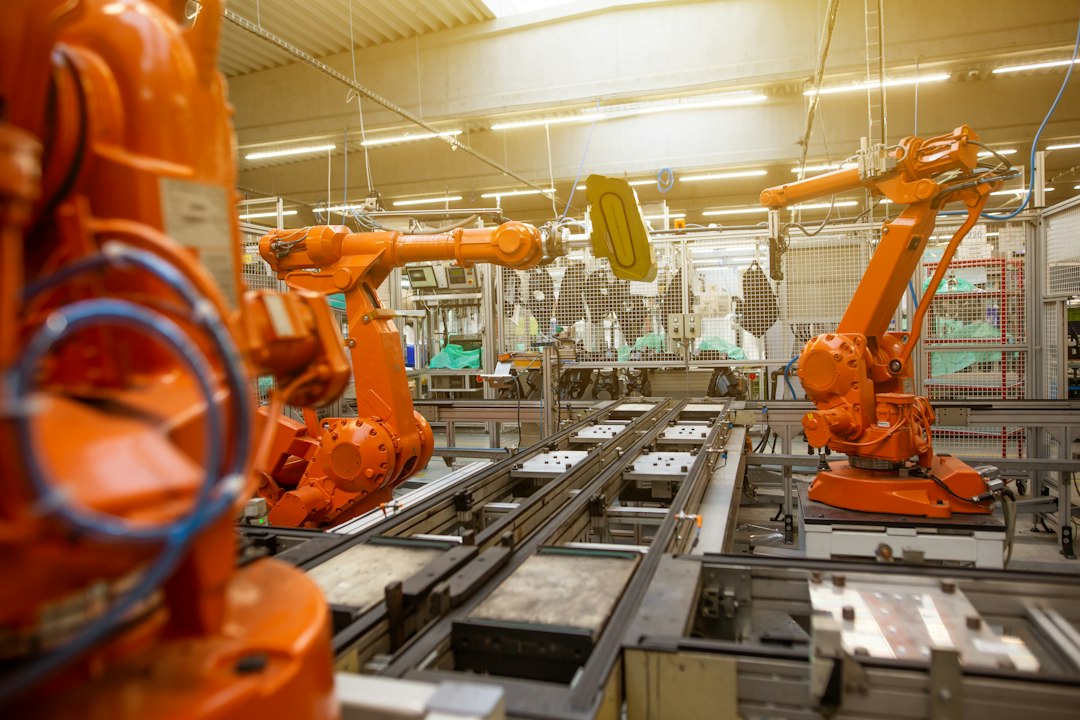
Career Ahead research finds that professionals who focus on these emerging technologies will have a competitive edge in the job market. As Mecka AI and similar companies expand their operations, the demand for engineers who can bridge the gap between robotics and AI will be critical. This presents a unique opportunity for current students and young professionals to align their education and training with industry needs.
In this context, collaboration between educational institutions and industry players will be essential. Universities and training programs will need to adapt their curricula to include hands-on experiences with robotics and AI technologies, ensuring that graduates are well-prepared for the job market.
Continuous learning and professional development will be key to remaining competitive in this rapidly changing landscape.
As the robotics sector continues to grow, professionals in the field must also stay abreast of the latest developments and trends. Continuous learning and professional development will be key to remaining competitive in this rapidly changing landscape.
Future Outlook for Robotics Jobs
You may also like
 Industry & Global Trends
China’s AI Talent Shortage Amid U.S. Competition
China is struggling to attract foreign AI researchers despite a booming local sector, highlighting a significant gap in competitive incentives compared to the U.S. The…
Read More →The investment from Sequoia and Nvidia in Mecka AI marks a significant milestone in the robotics industry. As the company scales its operations and develops more advanced robotic systems, the job market for robotics engineers and AI researchers is expected to expand substantially. This growth will create new opportunities for individuals looking to enter or advance in the field.
With the increasing reliance on automation and robotics across various sectors, professionals will need to be proactive in adapting to these changes. The integration of AI into robotics is likely to lead to the creation of hybrid roles that combine skills in both fields. For example, roles that require expertise in AI programming and robotics design will become more common.
Career Ahead’s analysis indicates that regions with a strong focus on technology and innovation, such as Silicon Valley and other tech hubs, will see the most significant growth in robotics jobs. However, as remote work becomes more prevalent, opportunities may also arise in areas previously considered outside the tech landscape.

As the demand for skilled robotics professionals grows, companies will need to implement strategies to attract and retain talent. This may include offering competitive salaries, flexible work arrangements, and opportunities for professional development. The ability to create an appealing work environment will be crucial for companies aiming to lead in the robotics sector.
Career Ahead’s analysis indicates that robotics engineers will need skills in AI programming, data analysis, and machine learning.
Looking ahead, the robotics industry is poised for transformative growth. The collaboration between major investors and innovative companies like Mecka AI could redefine the landscape, leading to advancements that we have yet to imagine. As this sector evolves, the question remains: how will the workforce adapt to the rapid changes driven by these technological advancements?
Frequently Asked Questions
What skills are needed for robotics engineers in light of new funding?
Career Ahead’s analysis indicates that robotics engineers will need skills in AI programming, data analysis, and machine learning. Familiarity with programming languages like Python and C++ will also be essential as the field evolves.
How can AI researchers leverage investments in robotics?
You may also like
 Industry & Global Trends
AI Agents Revolutionize Digital Marketing and Customer Service
AI agents are transforming digital marketing and customer service, leading to improved customer engagement and operational efficiency. As organizations increasingly adopt AI tools, professionals must…
Read More →AI researchers can leverage these investments by focusing on the integration of AI with robotics. This includes developing algorithms that enable robots to learn from their environments and improve their performance over time.

What should robotics engineers do to stay competitive in a rapidly evolving market?
Robotics engineers should prioritize continuous learning and professional development. Staying updated on emerging technologies and trends in AI and robotics will be crucial for maintaining a competitive edge in the job market.