No products in the cart.

The Impact of Virtual Worlds on Robotics Development

Recent advancements in robot training systems highlight the importance of virtual environments in enhancing robot capabilities, as seen with the Freddo robot.

Cambridge, UK — Recent advancements in robot training systems are changing how robots learn and adapt. Companies like Vsim are leading this change, developing innovative virtual environments that significantly improve the training process. Their flagship robot, Freddo, demonstrates the potential of these systems, achieving remarkable skills in just minutes—a task that previously took days.
The rapid evolution of training methods is critical as the demand for more capable robots rises across various sectors. Vsim, co-founded by Michelle Lu and Kier Storey, aims to create robots that can perform complex tasks in homes and workplaces. They utilize powerful graphics processing units (GPUs) to optimize training simulations, allowing robots to learn and adjust in real-time.
Efficiency of Virtual Environments
Virtual environments are essential for training robots efficiently. By simulating tasks millions of times in a controlled setting, developers can identify the best strategies for robots to learn. This method contrasts sharply with traditional approaches, which often involve lengthy physical trials. For instance, Vsim’s Freddo can process and learn from thousands of simulations while moving, helping it foresee various scenarios and adapt its actions accordingly.
According to Career Ahead’s analysis, training robots in virtual settings accelerates learning and enhances accuracy, particularly for tasks requiring quick decision-making, such as navigating unpredictable environments with humans or obstacles. The advancements at Vsim and similar companies indicate a shift towards more agile and intelligent robotic systems.
Tech giant Nvidia has also joined the effort with its Isaac Sim, which mirrors Vsim’s approach. Nvidia focuses on integrating AI agents into the training process, enabling the creation of more complex virtual environments. Spencer Huang, director of product for robotics at Nvidia, notes that using AI to build these virtual worlds reduces manual labor and speeds up the development of effective training models.
Spencer Huang, director of product for robotics at Nvidia, notes that using AI to build these virtual worlds reduces manual labor and speeds up the development of effective training models.
Challenges in Virtual Training
Despite the advantages, transitioning to virtual training presents challenges. While simulations can replicate many aspects of real-world environments, certain elements, such as highly deformable objects, are difficult to model accurately. Rika Antonova, an associate professor at the University of Cambridge, emphasizes that while fast simulations are promising, they must strive for realism to ensure robots can operate effectively in real-world scenarios.
Impact on Robotics Professionals
The advancements in virtual training systems have significant implications for robotics engineers and AI researchers. As companies like Vsim refine their technologies, expectations for robot capabilities will rise. Engineers must adapt by developing algorithms that leverage the efficiencies of these virtual environments.
Career Ahead research indicates that robotics engineers should prioritize skills in simulation software and real-time data processing. As the industry evolves, those who can integrate machine learning with effective simulation models will be in high demand. This shift towards virtual training also fosters collaboration between software developers and robotics engineers, promoting a multidisciplinary approach to problem-solving.
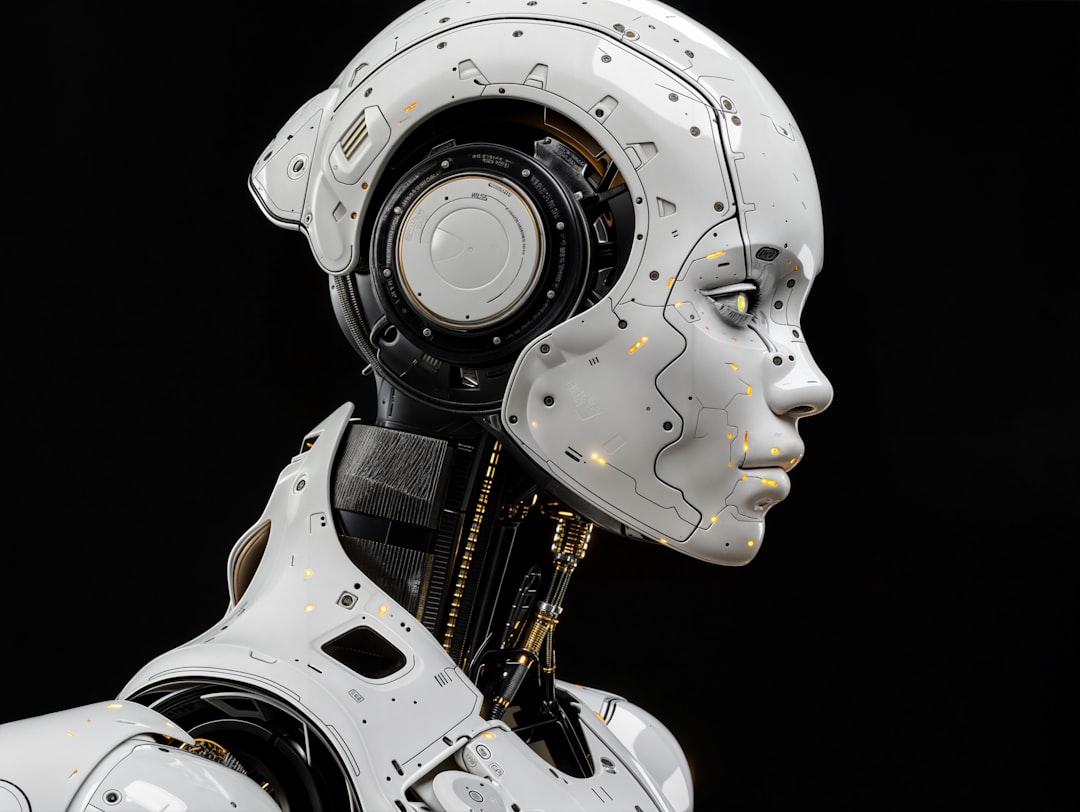
Moreover, AI researchers can benefit from these advancements by exploring new algorithms that enhance robot learning. Conducting extensive training in virtual environments allows for rapid experimentation and iteration, potentially leading to breakthroughs in how robots understand and interact with their surroundings.
Bridging the Gap Between Virtual and Real-World Applications
Despite rapid progress, a gap remains between virtual training and real-world application. As Antonova highlights, certain tasks are still challenging to replicate accurately in simulations. This underscores the importance of complementing virtual training with real-world testing to ensure robots can perform effectively in varied conditions.
Career Ahead research indicates that robotics engineers should prioritize skills in simulation software and real-time data processing.
As the integration of virtual training systems in robotics accelerates, the landscape will evolve, leading to more capable and intelligent machines. This evolution will impact not only robotics but also industries reliant on automation and AI.
Frequently Asked Questions
What are the latest advancements in robot training technologies?
Recent advancements focus on using virtual environments to enhance learning efficiency, allowing robots to learn tasks much faster than before.
How can AI researchers leverage virtual worlds for training models?
AI researchers can use virtual worlds to conduct extensive simulations, enabling rapid experimentation with different algorithms to create more effective training models that adapt to real-world scenarios.
What should robotics engineers consider when developing training systems for robots?
Robotics engineers should integrate simulation software with real-time processing capabilities and understand the limitations of virtual environments to ensure robots can perform effectively in real-world conditions.
Related Articles
Written by Career Ahead AI. AI can make mistakes, so verify key facts. Report errors to support@careeraheadonline.com.