No products in the cart.

The Implications of Fed’s Rate Hikes on Real Estate Investment
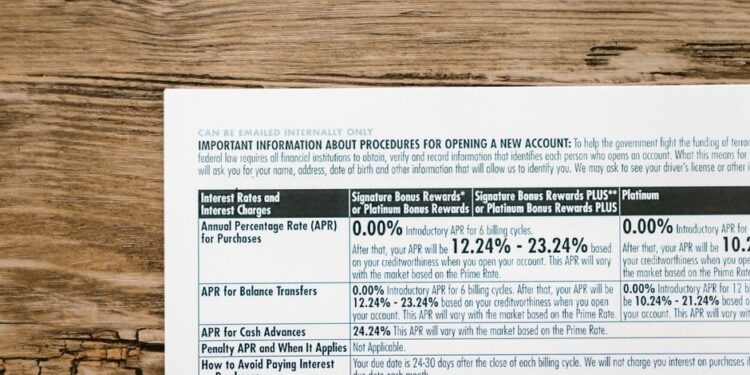
Fed Governor Michael Barr's recent comments highlight the likelihood of further rate hikes to combat inflation. This situation poses significant implications for mortgage rates and housing affordability, impacting financial analysts and real estate investors alike.

U.S. Federal Reserve Governor Michael Barr said on September 23, 2026, that the central bank may need to raise rates again to control inflation. At a housing affordability conference, Barr pointed out that the labor market is strong, but inflation remains above the Fed’s target of 2%. He mentioned that the recent policy rate increase to 3.75%-4.00% might not be enough to meet the Fed’s inflation goals.
These comments come as the average rate on a 30-year fixed mortgage in the U.S. has jumped to 7.12%. This is the highest level in over two years, according to the Mortgage Bankers Association. Barr’s statements suggest that the Fed may implement at least two more rate hikes by the end of the year. This reflects a significant shift in monetary policy aimed at stabilizing prices.
Impact of Rate Hikes on Mortgage Rates
Career Ahead’s analysis shows that the expected rate hikes will directly affect mortgage rates, which are already high. As borrowing costs rise, potential homebuyers may face higher monthly payments. This situation could make home ownership less affordable and slow down the housing market as buyers pull back due to increased costs.
The link between interest rates and mortgage rates is clear. When the Fed raises rates, lenders usually follow, leading to higher mortgage rates. The current situation, marked by high inflation and rate hikes, suggests that mortgage rates will keep rising. This will further strain housing affordability.
For financial analysts and real estate investors, understanding this trend is crucial. Higher mortgage rates can reduce demand for homes, possibly leading to lower home prices. Investors may need to rethink their strategies, considering the likelihood of a cooling housing market as borrowing costs increase.
Additionally, the effects of these rate hikes go beyond mortgage rates. As borrowing becomes more expensive, it can impact other areas of the economy, like consumer spending and business investments, which often rely on loans. This ripple effect could complicate the economic landscape, making it essential for analysts to monitor these changes closely.
As borrowing becomes more expensive, it can impact other areas of the economy, like consumer spending and business investments, which often rely on loans.
Inflation Targets and Investment Strategies
With inflation still above the Fed’s target, the central bank’s commitment to controlling it through rate hikes is clear. Career Ahead research finds that the Fed’s actions will likely influence investment strategies across various sectors. Investors often seek to hedge against inflation, leading to more interest in commodities and real assets as alternatives to traditional stocks.
As financial analysts review their portfolios, they must consider the implications of the Fed’s decisions. Sectors sensitive to interest rates, like real estate and utilities, may experience volatility as investors adjust their expectations due to rising borrowing costs. Additionally, sectors that can pass costs to consumers, such as consumer staples, may become more appealing in an inflationary environment.
Moreover, the strength of the labor market, as noted by Barr, adds another layer to this analysis. A strong labor market can support consumer spending. However, if inflation continues to rise, it may lead to lower real wages, affecting overall economic growth. Analysts must balance these factors when advising clients or making investment choices.

In light of these dynamics, economic policy advisors should prepare for potential shifts in labor market trends. Tighter monetary policy could slow job growth, especially in sectors sensitive to interest rate changes. Understanding these trends will be crucial for policymakers navigating the current economic environment.
Tighter monetary policy could slow job growth, especially in sectors sensitive to interest rate changes.
Wider Economic Implications
The Fed’s decision to signal further rate hikes has broader implications for the economy. As borrowing costs rise, consumer confidence may decline, leading to less spending. This drop in consumer activity can slow economic growth, which is concerning given the current inflationary pressures.
Real estate investors and financial analysts must proactively assess how these changes will affect their sectors. A slowdown in the housing market could lead to more inventory and lower prices, presenting both risks and opportunities for investors. Those who can navigate this changing landscape may find themselves in a better position.
Additionally, a cooling housing market could shift investor interest toward rental properties as buyers become more cautious. This trend could complicate the housing affordability crisis, as demand for rental units may rise, driving up rents in some markets.
Ultimately, the Fed’s approach to managing inflation will significantly shape the economic landscape. Analysts and investors must stay alert and adaptable, ready to respond to evolving conditions driven by monetary policy changes.
As the situation unfolds, the key question remains: How will the Fed’s continued rate hikes impact the overall economy in the coming months? The relationship between inflation, interest rates, and housing affordability will be critical to monitor as we move forward.
Career Ahead analysis shows that rising interest rates can increase volatility in investment portfolios, especially in sectors sensitive to borrowing costs.
Frequently Asked Questions
How will interest rate hikes impact my investment portfolio?
Career Ahead analysis shows that rising interest rates can increase volatility in investment portfolios, especially in sectors sensitive to borrowing costs. Investors should consider reallocating assets to protect against potential downturns in the housing market.
What should real estate investors do in response to rising rates?
Real estate investors may need to rethink their strategies as mortgage rates rise. This could mean focusing on rental properties or diversifying into sectors less affected by interest rate changes.

How can economic policy advisors prepare for potential labor market shifts?
Economic policy advisors should closely monitor trends in job growth and inflation. Understanding the link between monetary policy and labor market dynamics will be essential for effective policymaking.
Related Articles
- Section 54 Tax Exemption for New House Construction
Related Articles
Written by Career Ahead AI. AI can make mistakes, so verify key facts. Report errors to support@careeraheadonline.com.