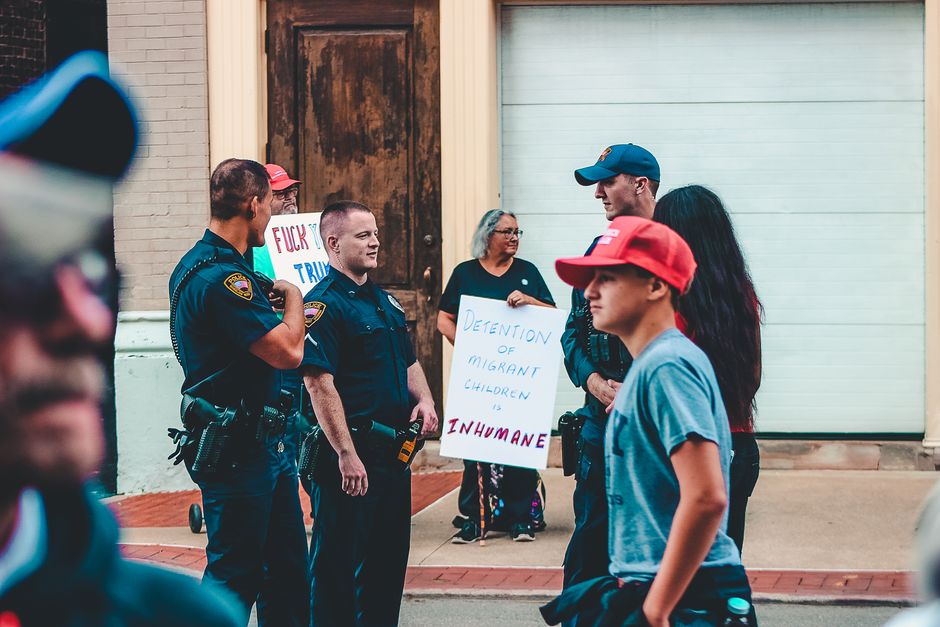
Tyler Church, editor in chief of The Minnesota Daily, led on-the-ground coverage of Operation Metro Surge, the Trump administration’s immigration crackdown in Minnesota.
The Minnesota Daily covered local policy and campus events
The Minnesota Daily has a staff of roughly 60 under Church’s oversight. The University of Minnesota announced a $225 million cut to its overall budget over the next two years. The paper also covered subjects beyond the university’s finances: it published an opinions piece about Cornell and a separate piece about a rally that happened because of Cornell. Together, those assignments show the range of subjects covered by the student paper, from a university budget decision to an opinion and a rally.¹
Church said he had been in the newsroom as late as two or three in the morning. When asked what kept him going through late nights, he answered: “water.” He said he did not drink coffee. The details offer a glimpse of his working routine without relying on a newsroom cliché: he described water, rather than coffee, as his fuel. His desk also held Polaroids of himself with his girlfriend, his dad and his cats, along with photographs from trips he had taken.¹
Together, those assignments show the range of subjects covered by the student paper, from a university budget decision to an opinion and a rally.¹
A White House media-ban lawsuit includes campus journalists
Two professors at Yale University are among the plaintiffs suing President Trump over his news-media ban at the White House. The case also includes Ethan Young, a University of Pennsylvania student and the editor in chief of The Daily Pennsylvanian. The plaintiffs therefore include both university professors and a student who leads a campus newspaper. The dispute centres on the White House ban on news media, while the student newspaper editor is identified as one of the people suing over it.¹
 Education & University Insights
Education Leaders Stress Early University Succession
The conclave brought institutional and technology leaders together to examine university transitions and long-term vision.
Read More →A separate campus decision offered University of Maryland students a chance to win free tuition if they stayed for the entirety of a football game that weekend. The condition was attendance through the full game; the offer did not describe a partial-game option. The item linked a tuition prize to staying for the entire event, making the length of attendance the stated requirement. It was a campus incentive built around a football game, rather than a newsroom or classroom policy.¹
A Berkeley professor stopped grading homework over A.I. use
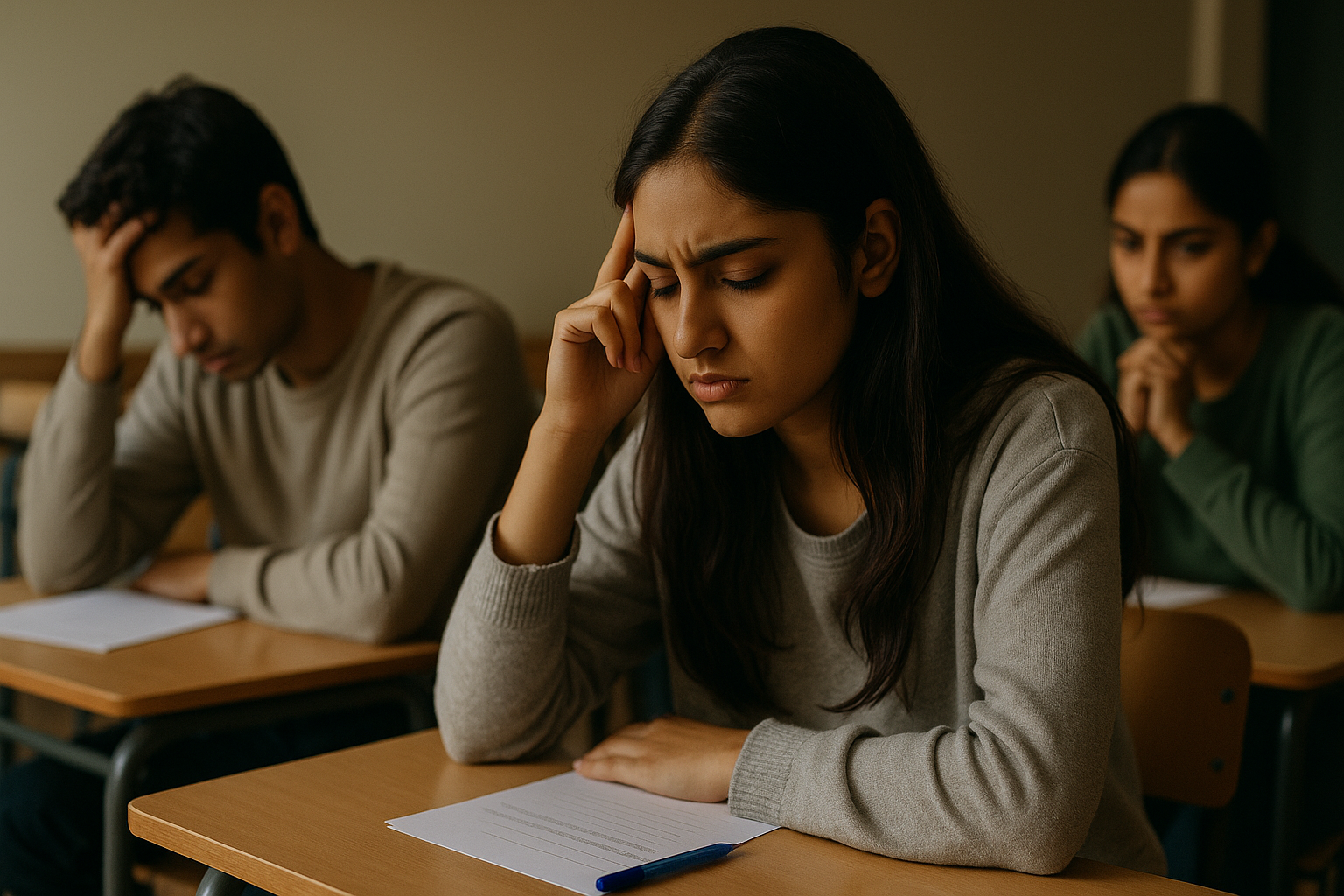
A math professor at the University of California, Berkeley, stopped grading students’ homework after saying many of them were using A.I. to get good grades. The action connected the professor’s grading decision to his stated concern about how students completed the work. The available details do not identify the professor or specify a new grading system; they describe the decision to stop grading and the reason he gave for it. The case places student use of A.I. alongside other campus questions covered by student publications.¹
Student Journalism Demands Real-Time Skills
If you are considering campus journalism, note that covering breaking news like Operation Metro Surge requires being on the ground and working until 2 or 3 a.m., with water as your only fuel. The University of Minnesota's $225 million budget cut shows you must also track institutional finances, not just protests or opinions. Expect to juggle multiple beats, from Cornell-related rallies to budget decisions, in a single week.¹
For those weighing a role as an editor, the job includes legal exposure: student editors like Ethan Young at the Daily Pennsylvanian join lawsuits over media bans, so understanding press freedom and litigation basics matters. Also, the Berkeley professor's decision to stop grading over A.I. use signals that employers in academia or media may scrutinize how you produce work. Build skills in verification and original reporting to stay credible.¹
Student Journalism Demands Real-Time Skills If you are considering campus journalism, note that covering breaking news like Operation Metro Surge requires being on the ground and working until 2 or 3 a.m., with water as your only fuel.
Sources
Written by Career Ahead AI. AI can make mistakes, so verify key facts. Report errors to support@careeraheadonline.com