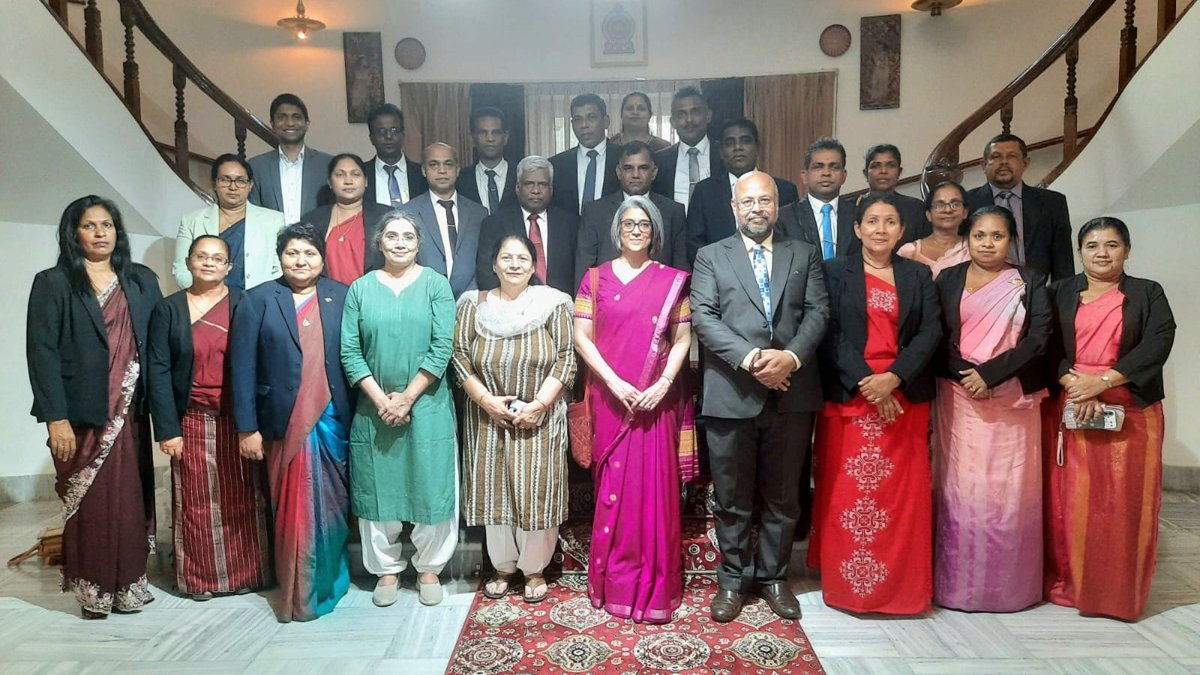
The first day of the ETEducation Chancellors’ Conclave 2026 concluded in Goa with calls for Indian universities to rethink traditional higher education.
University leaders call for practical skills and lifelong employability
ETEducation published its account of the conclave on Oct 23, 2026, at 12:58 PM IST, then updated it at 02:48 PM IST the same day. The calls at the event centred on changing how universities teach and what they prepare students to do. Speakers raised skills, employability, research and artificial intelligence as parts of a broader challenge to traditional higher education models.¹
Dr Chenraj Roychand, Chancellor of JAIN (Deemed-to-be University) and Founder-Chairman of JAIN Group, said universities should go beyond awarding degrees. He urged them to develop skills that help students handle real-life situations. His argument shifts the measure of university education from the credential itself to students’ ability to use what they learn outside the classroom.¹
Roychand also warned that institutions relying on traditional classroom teaching and examinations risk losing the interest of future generations of students. The warning links teaching methods to student engagement: universities cannot assume that familiar formats will hold attention. It puts classroom practice and assessment alongside curriculum content as areas institutions need to reconsider.¹²
He urged them to develop skills that help students handle real-life situations.
Research investment and industry links feature in the policy debate
Navisha Prabhakar, Regional Head Education-South & West at Google Cloud, called for universities to move beyond placement readiness towards lifelong employability. Placement readiness addresses the transition into a first job; lifelong employability makes the focus broader, spanning the ability to remain equipped for work over time. Her point extends the conclave’s discussion of student skills beyond graduation.¹
 Education & University Insights
Tilvi: Research Funding Builds World-Class Universities
Tilvi argued that sustained research funding and advanced facilities define world-class universities. He cited Harvard's $50 billion endowment as proof.
Read More →Dr H. Purushotham, Secretary of the Department of Science, Technology and Innovation, Government of Andhra Pradesh, urged greater investment in research and more collaboration between industry and academia to enhance India’s global competitiveness. He identified five priorities for universities seeking long-term relevance. The priorities were presented as a route to institutional relevance, while research and collaboration were linked to the country’s ability to compete globally.¹²
The Centre Stage Discussion took up “The University at a Turning Point: India’s Next Leap in Policy, Innovation & AI”. Its named participants included Dr Bhadra Reddy, Chairman of Malla Reddy Vishwavidyapeeth, and Vinita Rohera, Vice President & Managing Trustee of Gandhinagar University. The discussion’s theme placed policy, innovation and AI together as questions for universities considering their next direction.¹²
The discussion also included Vikram Shah, Chief Business Officer of Meritto, and Rohit Kumar, Co-Founder & President of India Campus Business at MSM Unify. Their roles brought business and campus perspectives into a conversation framed around university policy and innovation. Together, the participants’ titles show the range of institutional and business roles represented in the discussion.¹²
A speaker said the business school was integrating AI into its curriculum and departmental workflows, while running faculty development programmes to improve AI use in teaching and research.
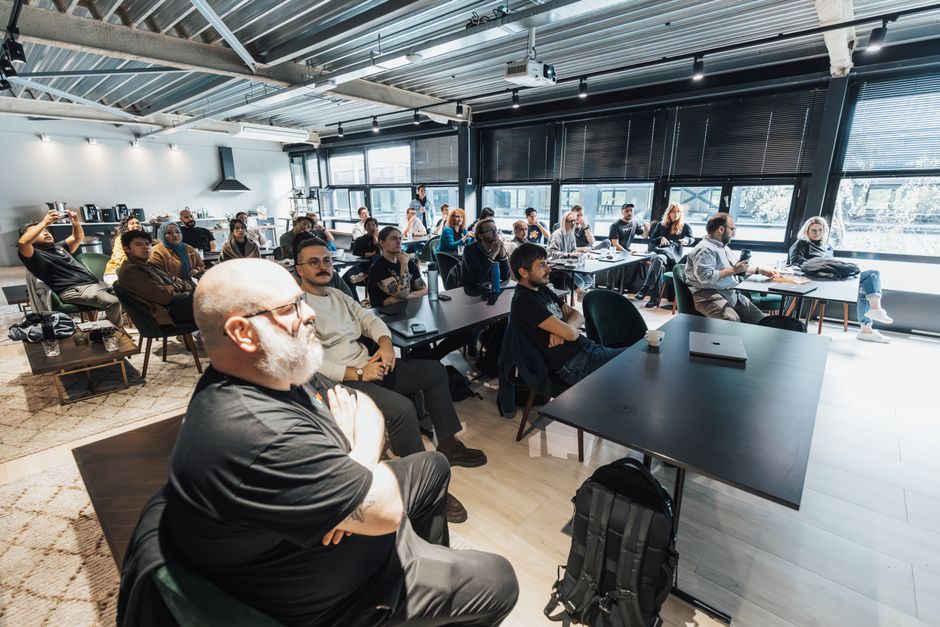
A management symposium examines AI in research and teaching
A separate symposium at the Paari School of Business at SRM University-A.P. examined “Reimagining Management through AI”. Soumitra Dutta, advisor to the SRM Group, delivered its keynote address at a symposium on “Advancing Management Knowledge in the AI Era: Research Frontiers and Future”. He said developing countries such as India need stronger technological capabilities and research networks to participate effectively in global innovation.¹²
 Education & University Insights
Indian Universities Must Prioritise Research, Innovation and Job Creation
Purushotham and Viswanathan outline a roadmap for Indian universities to focus on research excellence, entrepreneurship and policy changes to compete globally.
Read More →The symposium material identified Allan Bird of the Goa Institute of Management and Michael Stevens of Weber State University. A speaker said the business school was integrating AI into its curriculum and departmental workflows, while running faculty development programmes to improve AI use in teaching and research. That account describes AI adoption through both course content and the everyday work of academic departments.²
The symposium’s announced sequence placed a five-day Early Career Researchers’ Publishing Boot Camp after the event, led by Allan Bird and Elizabeth L. Rose. The Hindu published its account on October 26, 2026, at 12:02 am IST. The boot camp extends the programme from discussion of AI and research into publishing support for early-career researchers.²
Weigh lifelong skills over first-job placement
When you compare universities or employers, ask how they build skills for real-life situations rather than just awarding degrees. The push to move beyond placement readiness toward lifelong employability means a first job offer is no longer the only measure of a program's value. Look for institutions and roles that keep you equipped for work over time, not just for the transition into your first position.¹
AI fluency now carries weight across teaching and research, so treat it as a core skill to build regardless of your field. Institutions integrating AI into curriculum and departmental workflows signal that this capability is becoming standard. Also note the call for stronger technological capabilities and research networks; roles or courses offering these may give you an edge in global innovation.¹²
Weigh lifelong skills over first-job placement When you compare universities or employers, ask how they build skills for real-life situations rather than just awarding degrees.
Sources
- indiatimes.com — https://education.economictimes.indiatimes.com/news/higher-education/eteducation-chancellors-conclave-2026-universities-urged-to-adapt-ai-curriculum-reforms-research-led-innovation/135138504
- thehindu.com — https://www.thehindu.com/news/national/andhra-pradesh/universities-urged-to-embrace-continuous-learning-and-innovation-in-ai-era/article71623743.ece
Written by Career Ahead AI. AI can make mistakes, so verify key facts. Report errors to support@careeraheadonline.com