No products in the cart.

The Rise of AI Influencers in 2025 Marketing Strategies
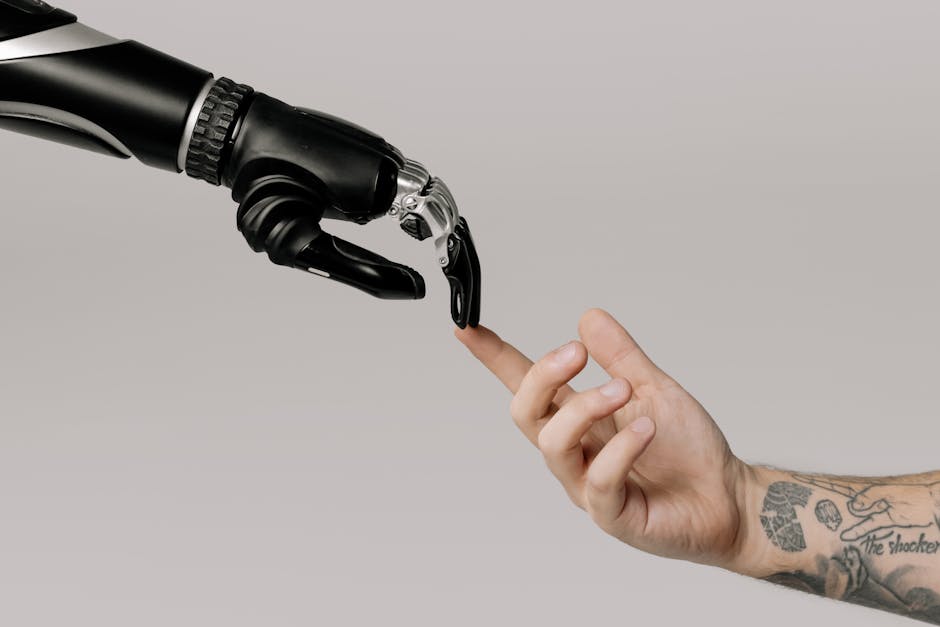
AI influencers are becoming pivotal in marketing strategies for 2025, leading brands to embrace this innovative trend. Learn more about its impact.

San Francisco, USA — In the fast-paced world of digital marketing, a new breed of influencers is taking center stage: AI influencers. These virtual personalities, powered by advanced algorithms and machine learning, are not just a fleeting trend; they are reshaping how brands connect with consumers in 2025.
Once considered a novelty, AI influencers have evolved into sophisticated marketing tools that promise higher engagement rates and tailored content creation. According to marketing expert Dr. Emily Chen, the rise of AI influencers marks a seismic shift in the advertising landscape. “Brands are no longer just looking for a face to represent them,” she explains. “They want intelligent, data-driven personas that can interact with audiences in real-time.”

This evolution comes at a time when the global marketing industry is projected to reach $650 billion by the end of 2025. With such lucrative stakes, companies are eager to leverage every advantage. AI influencers are not just cost-effective; they are also capable of creating content that resonates deeply with diverse audience segments, making them invaluable assets for brands.
The mechanics behind AI influencers are as fascinating as they are complex. These digital entities utilize vast amounts of data to analyze consumer behavior, preferences, and trends. This allows them to craft messages that feel personalized, almost human-like. Take Lil Miquela, for instance, a virtual influencer who has amassed millions of followers on platforms like Instagram. Her carefully curated posts about fashion, music, and social issues have led to partnerships with major brands, proving that AI can not only engage but also drive sales.
Marketing analyst Jason Rivera points out, “While AI influencers can be effective, brands must tread carefully.
However, the rise of AI influencers raises ethical questions. As brands increasingly turn to these digital avatars, concerns about authenticity and transparency come to the fore. Consumers are becoming savvier, and the line between genuine engagement and manufactured personas is blurring. Marketing analyst Jason Rivera points out, “While AI influencers can be effective, brands must tread carefully. Authenticity is key. If consumers feel manipulated, it could backfire.”
You may also like
 Business
India Inc Faces Third-Party Privacy Risks: EY’s Warning
EY's recent report highlights the privacy risks Indian companies face from third-party vendors. Discover how this impacts your business and what you can do.
Read More →The debate extends to the creative realm as well. Are AI-generated influences a threat to human influencers? Or do they complement the existing ecosystem? Many experts suggest that the future will likely see a blend of both. Traditional influencers can leverage AI technology to enhance their engagement strategies, creating a hybrid model that benefits from the strengths of both worlds.
Moreover, the impact of AI influencers is not confined to Western markets. In regions like Southeast Asia and Africa, where social media usage is skyrocketing, AI influencers are emerging as a viable option for brands looking to penetrate these markets. The ability to create culturally relevant content at scale makes AI influencers particularly appealing in these contexts, where local nuances are crucial for success.
As the technology behind AI influencers continues to advance, their capabilities will only expand. Imagine a virtual influencer who can respond to audience queries instantly or one that can adapt its persona based on real-time feedback. This future is closer than we think, and brands that are proactive in adopting these innovations will likely reap the rewards.
But what does this mean for job seekers and professionals in the marketing field? As AI influencers gain traction, there will be a growing demand for skills related to AI and machine learning. Marketers will need to understand how to harness these technologies effectively, blending creativity with data-driven insights. Those who can navigate this new landscape will find themselves in high demand.
As AI influencers gain traction, there will be a growing demand for skills related to AI and machine learning.
In light of these trends, educational institutions are starting to adapt their curricula. Programs focusing on digital marketing, AI, and data analytics are becoming increasingly popular, providing young professionals with the tools they need to thrive in this evolving landscape. With the right skills, the next generation of marketers can lead the charge into this new frontier.
You may also like
 Business Innovation
Quantum Computing Reshapes Materials Science: Structural Shifts in Nano‑Engineering
Quantum-enabled simulation compresses material discovery cycles, reshapes institutional R&D structures, and redefines career pathways, establishing a new systemic foundation for nano‑engineering.
Read More →Ultimately, AI influencers represent a fascinating intersection of technology and marketing. They challenge our perceptions of authenticity and creativity while offering brands unprecedented opportunities for engagement. As this trend continues to unfold, one thing is certain: the marketing landscape of 2025 will be defined by innovation, adaptability, and the relentless pursuit of connection. For those willing to embrace change and learn, the future is bright.