San Francisco, USA — As the world grapples with rapid change, conscious leadership is emerging as a vital force in shaping the future workforce. This leadership style prioritizes empathy and vision, reflecting a broader shift in workplace culture. Leaders who embrace these values are not just managing teams; they are inspiring them.
In recent years, companies have recognized that traditional management approaches are becoming obsolete. Employees, particularly those aged 16 to 35, demand more than just a paycheck. They seek purpose, connection, and a sense of belonging in their workplaces. This generational shift is driving organizations to redefine their leadership strategies. According to a 2022 survey by Deloitte, 83% of millennials believe that a sense of purpose is essential to their job satisfaction [1].

Conscious leadership emphasizes self-awareness and emotional intelligence. Leaders are encouraged to cultivate genuine relationships with their teams. This approach fosters an environment where employees feel valued and understood. A 2023 report from McKinsey highlights that organizations with high levels of employee engagement are 21% more profitable [2]. When leaders actively listen and connect with their teams, they create a culture of trust and collaboration.
The case for conscious leadership is further strengthened by the increasing importance of sustainability in business. Companies that prioritize ethical practices and social responsibility are more likely to attract and retain top talent. For instance, Patagonia, known for its environmental activism, has built a loyal customer base and a committed workforce by aligning its mission with the values of its employees. This alignment not only enhances employee satisfaction but also drives brand loyalty.
The case for conscious leadership is further strengthened by the increasing importance of sustainability in business.
However, the implementation of conscious leadership is not without challenges. Some leaders may struggle with the transition from traditional authoritative styles to more collaborative approaches. This shift requires vulnerability and a willingness to embrace feedback, which can be daunting. Moreover, organizations must provide training and resources to help leaders develop the necessary skills to lead consciously.
Despite these hurdles, the benefits of conscious leadership are clear. Companies that adopt this approach can expect improved employee retention, increased innovation, and enhanced overall performance. A 2023 study by Harvard Business Review found that organizations with conscious leaders reported 30% less employee turnover [3]. This stability not only saves costs associated with hiring and training but also fosters a more cohesive work environment.
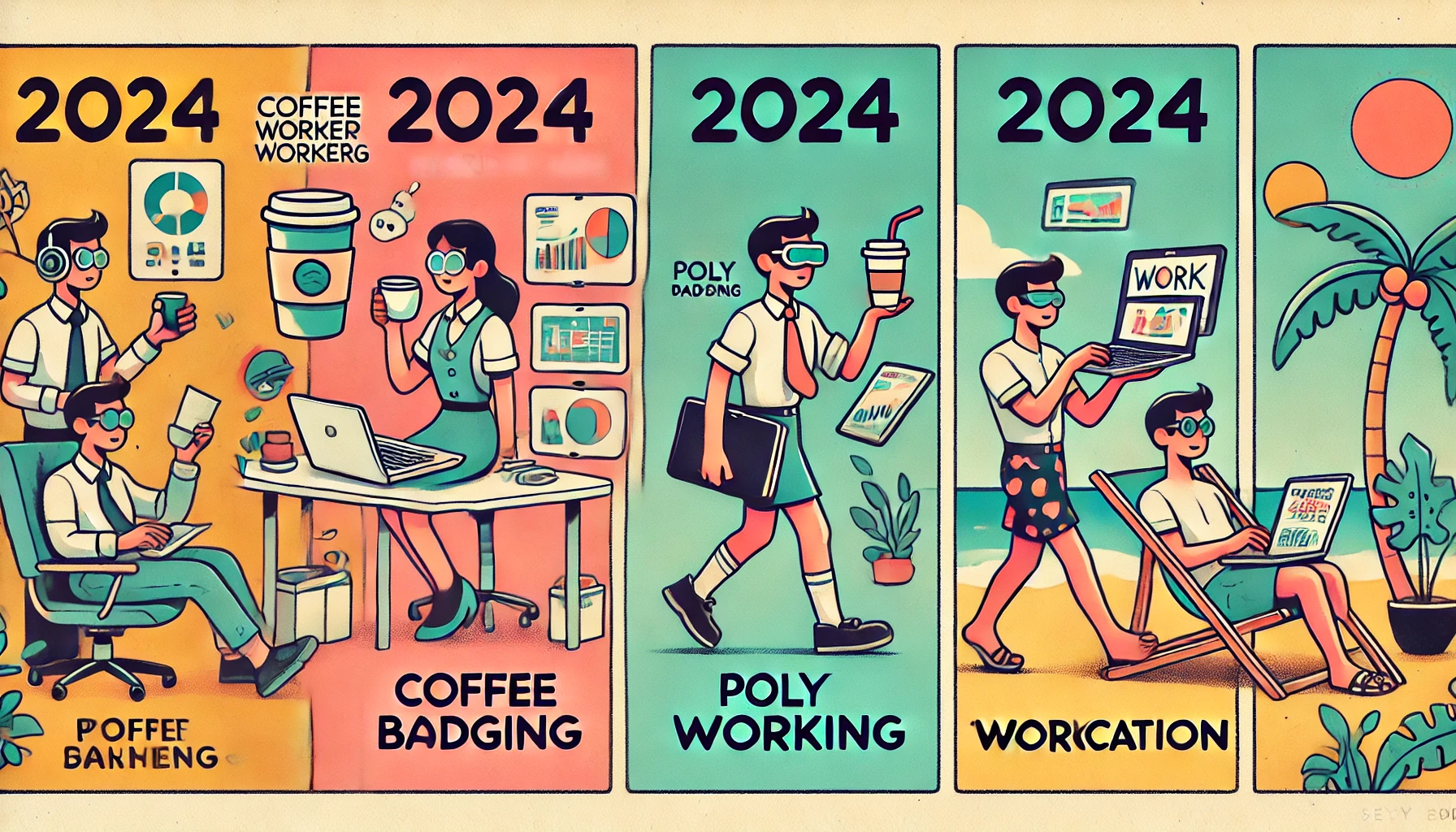
Looking ahead, the future of work will likely be shaped by technological advancements and evolving employee expectations. The rise of remote work and digital collaboration tools has created new opportunities for leaders to connect with their teams across distances. This flexibility allows for a more diverse workforce, bringing in varied perspectives that enrich organizational culture.
Moreover, as the gig economy continues to expand, leaders will need to adapt their strategies to engage a more transient workforce. Freelancers and contract workers often seek meaningful work experiences, which can be achieved through conscious leadership. Providing opportunities for professional development and fostering a sense of belonging can attract top talent in this competitive landscape.
 Future Skills & Work
Strategic MoUs Signed to Boost Workforce Readiness
The Odisha government has signed several memoranda of understanding with strategic partners to enhance skill training initiatives, aligning training with market needs and creating job…
Read More →As organizations navigate these changes, investing in conscious leadership training will be crucial. Companies should prioritize programs that enhance emotional intelligence and interpersonal skills among their leaders. Furthermore, establishing mentorship programs can help emerging leaders learn from those who have successfully adopted conscious practices.
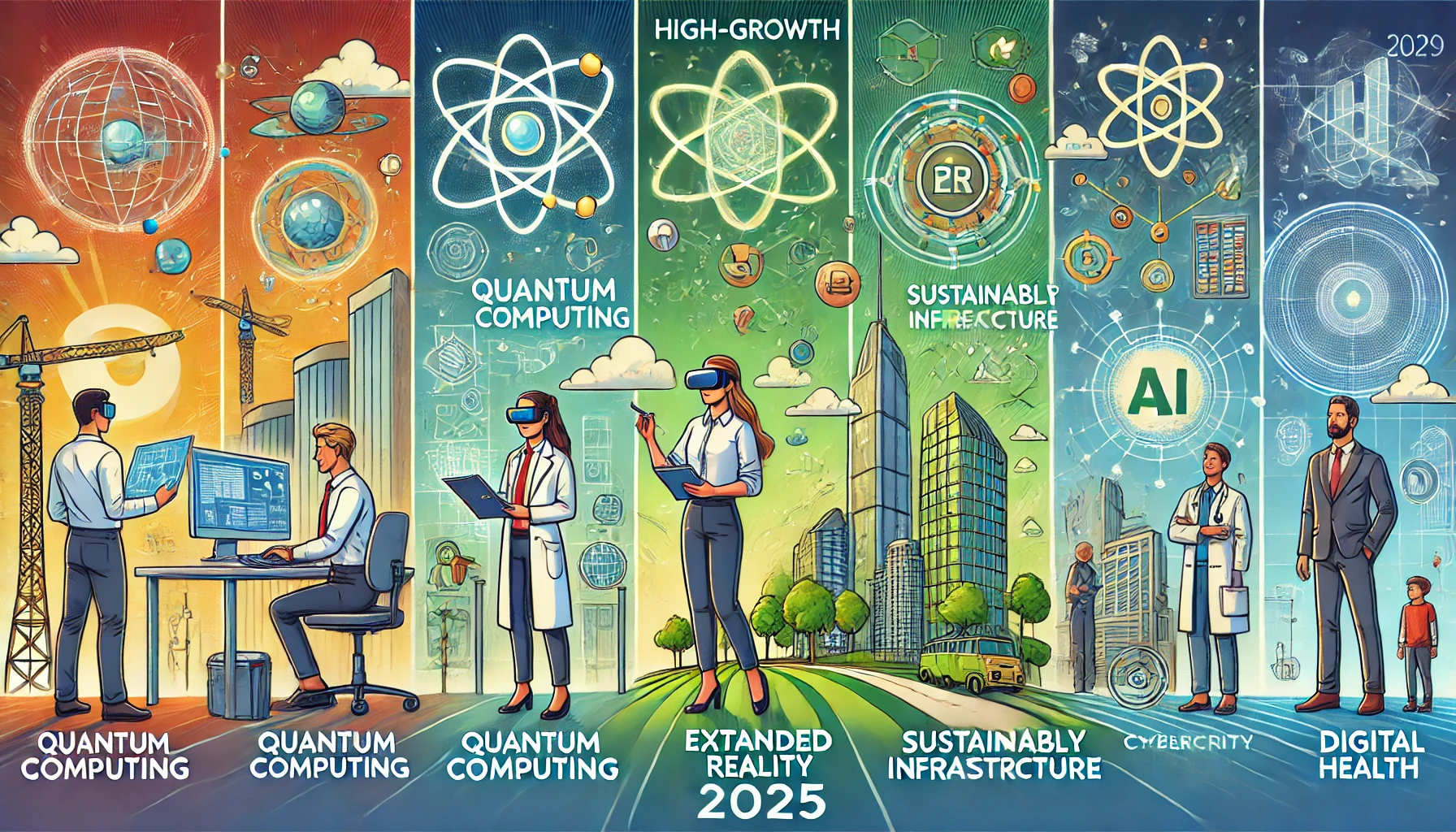
Looking ahead, the future of work will likely be shaped by technological advancements and evolving employee expectations.
In essence, the future workforce will demand leaders who are not only skilled but also empathetic and vision-driven. Organizations that embrace this shift will find themselves better positioned to thrive in an ever-evolving landscape. The journey toward conscious leadership is not just a trend; it is a necessary evolution for businesses aiming for long-term success.
Written by Career Ahead AI. AI can make mistakes, so verify key facts. Report errors to support@careeraheadonline.com.