No products in the cart.

The Rise of Pharmaceutical Robots: A New Era in Drug Production

The future of drug production is here, with pharmaceutical robots set to revolutionize efficiency and safety in the industry. Discover the implications.

Imagine a future where the tedious tasks of drug production are seamlessly handled by robots, precision-engineered to enhance efficiency and safety. This isn’t science fiction; it’s the evolving landscape of the pharmaceutical industry. According to a recent report, the market for pharmaceutical robots is expected to surpass $490 million by 2034, fueled by automation and a surge in research and development.
As we stand on the brink of this new era, the implications are profound. Automation is not merely a trend but a catalyst for change, transforming how drugs are produced and delivered globally. In a world still grappling with the aftershocks of a pandemic, the need for rapid and reliable drug production has never been more critical.
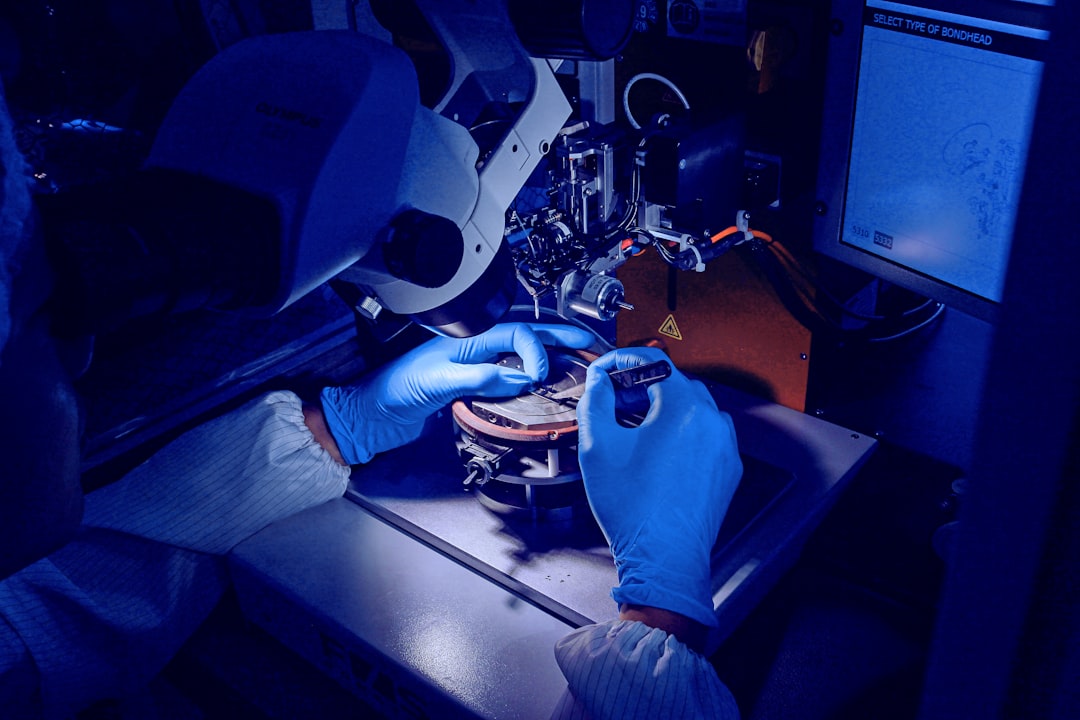
Robotics in pharmaceuticals isn’t just about replacing human labor; it’s about enhancing capabilities. These robots can perform repetitive tasks with unwavering accuracy, minimizing human error and boosting production speeds. For instance, a pharmaceutical company in Switzerland recently integrated robotic systems that increased their production rate by 30%, allowing for faster responses to market demands.
In a world still grappling with the aftershocks of a pandemic, the need for rapid and reliable drug production has never been more critical.
However, the rise of robotics isn’t without its challenges. The initial investment for robotic systems can be daunting for smaller companies. Yet, as larger firms demonstrate the cost-saving potential through efficiency, the hope is that this technology becomes accessible to all players in the market.
Moreover, the integration of these robots comes with a pressing need for a skilled workforce. A report by the World Economic Forum highlights that while automation will create new jobs, it will also displace many traditional roles. This is where education and training come to the forefront. As the industry evolves, so too must our approach to skill development. Educational institutions will need to pivot, preparing students not only to work alongside these machines but to innovate within this new paradigm.
As we look to the future, the role of regulatory bodies will be crucial in ensuring that these advancements do not compromise safety. The FDA and other global regulatory entities will need to adapt their frameworks to accommodate these technologies, ensuring that they meet the highest standards of patient care.
You may also like
 Industry & Global Trends
Global value chains pivot toward distributed resilience
According to Career Ahead's analysis of the WEF outlook, the shift toward distributed scale is.
Read More →In summary, the pharmaceutical landscape is undergoing a seismic shift. The rise of robotic automation in drug production heralds a new chapter, one where efficiency and safety are paramount. As we embrace this change, it is vital to consider the broader implications for the workforce and regulatory frameworks. The future is not just about technology; it’s about people, education, and the policies that will guide us through this transition.