San Francisco, USA — In a world increasingly driven by technology and automation, the job market is shifting dramatically. Employers today are no longer just looking at hard skills — the technical know-how that defines a worker’s ability to perform specific tasks. Instead, they are placing greater emphasis on soft skills, the often intangible abilities that govern how we interact with others.
The rise of soft skills is attributed to the changing landscape of work. As industries evolve and workplaces become more collaborative, the ability to communicate effectively, empathize, and build relationships has emerged as a crucial differentiator in hiring. Emotional intelligence, once considered a niche attribute, has transformed into a core competency.

Research from LinkedIn indicates that 92% of talent professionals believe that soft skills are just as important, if not more so, than hard skills in the workplace [1]. This shift is not merely anecdotal; it reflects a broader trend where companies seek candidates who can adapt to diverse teams and navigate the complexities of modern business.
Consider the case of Sarah, a recent graduate from a university in the Midwest. While her technical skills in data analysis were impressive, it was her ability to lead group discussions and foster a supportive environment that caught the attention of her employer. “I realized that during interviews, it was my interpersonal skills that really stood out,” she says. “The job market is so competitive, and being able to connect with others is a game-changer.”
Research from LinkedIn indicates that 92% of talent professionals believe that soft skills are just as important, if not more so, than hard skills in the workplace [1].
This sentiment echoes across industries. In tech, companies like Google and Apple prioritize hiring individuals with high emotional intelligence. They understand that a team that communicates well is often more innovative and productive. “Technical skills can be taught; soft skills, however, are much harder to instill,” explains Dr. Emily Torres, an organizational psychologist. “When you have a team that works well together, it makes all the difference in achieving goals.”
However, not all employers are on board with this new paradigm. Some still cling to the belief that technical proficiency is the lone ticket to success. This mindset can often lead to a lack of diversity and innovation within teams, as a narrow focus on hard skills may overlook talented individuals who excel in collaboration and creativity.
 Future Skills & Work
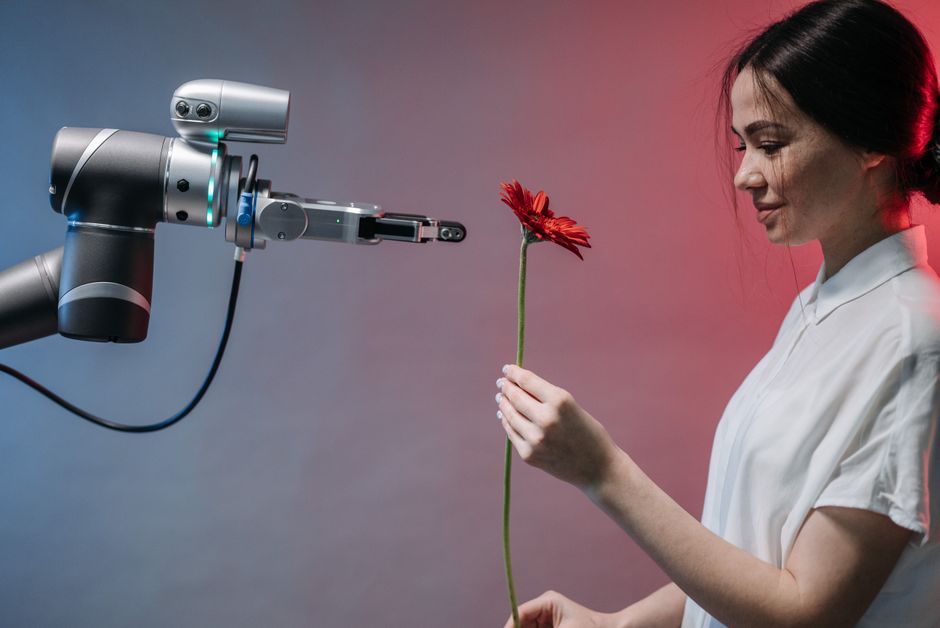
AI-Proof Skills Machines Can’t Replace
The report outlines specific tasks where AI usage is minimal, revealing a significant divide in how AI tools are applied.
Read More →As we navigate this new landscape, educational institutions are also adapting their curricula. Universities and colleges are incorporating soft skills training into their programs, recognizing that graduates must be equipped with more than just academic knowledge. Workshops on conflict resolution, effective communication, and team dynamics are becoming standard fare in many degree paths.
For young professionals eager to enhance their soft skills, the options are plentiful. Online platforms like Coursera and LinkedIn Learning offer courses specifically designed to boost emotional intelligence and communication abilities. Networking events and workshops provide real-world opportunities to practice these skills in a supportive environment.
Moreover, mentorship plays a crucial role in soft skills development. Connecting with experienced professionals allows younger workers to receive constructive feedback on their interpersonal interactions. “Having a mentor changed the way I approached my job. They helped me see the importance of listening and empathy,” says Jake, a marketing associate in New York City.
Moreover, mentorship plays a crucial role in soft skills development.
The workplace of tomorrow will be defined by how well individuals can collaborate, empathize, and communicate — a far cry from the rigid hierarchies of the past. As companies embrace this shift, the emphasis on soft skills will only intensify. Those who invest in developing these abilities will likely find themselves at the forefront of their industries.
As we look to the future, it’s clear that soft skills are not just a supplementary asset but a fundamental requirement for career success. The ability to connect with others, understand diverse perspectives, and communicate effectively will remain invaluable as the job market continues to evolve. Embracing this shift will not only enrich individual careers but also foster a more inclusive and innovative workplace for all.
 Career Guidance
Rising Fuel Costs Deter Meal Delivery Drivers | Career Outlook
Rising fuel costs are deterring potential meal delivery drivers, significantly impacting services like Meals on Wheels. This issue is not unique to Jersey, as similar…
Read More →Written by Career Ahead AI. AI can make mistakes, so verify key facts. Report errors to support@careeraheadonline.com.