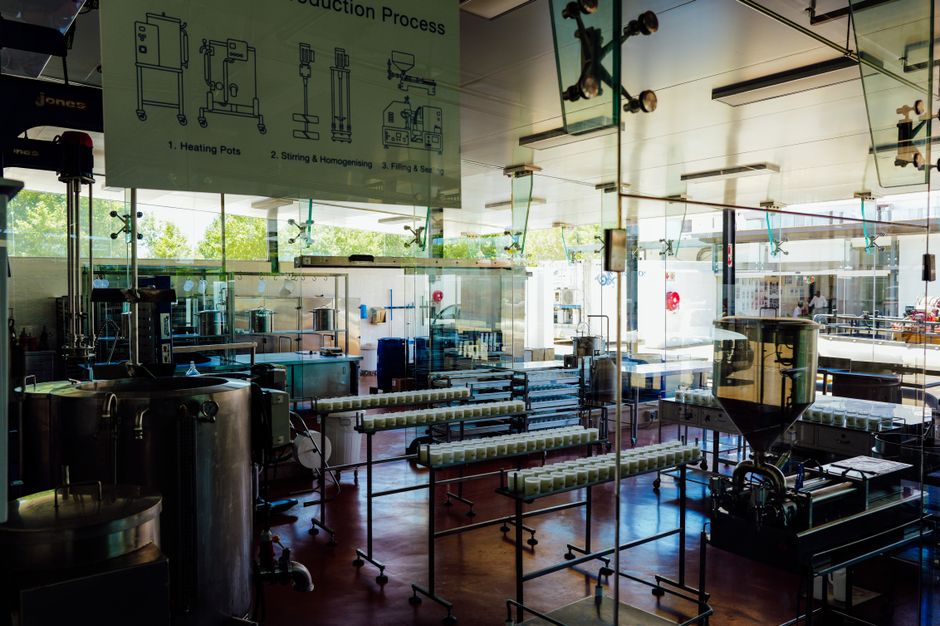
Torani CEO Melanie Dulbecco recently discussed the importance of company culture in manufacturing. She stressed that a strong corporate culture is key to operational success, especially in the food industry. With Torani exceeding $800 million in annual revenue, her insights are timely for manufacturing leaders looking to boost employee engagement and efficiency.
This conversation comes as many companies are reassessing their workplace cultures after the pandemic. Dulbecco noted that a positive work environment enhances productivity and fosters employee loyalty. This is especially important in the competitive food sector.
The Impact of Company Culture on Manufacturing Efficiency
Career Ahead’s analysis shows that company culture greatly affects manufacturing efficiency. A positive culture boosts employee morale, which directly improves productivity. At Torani, employees are encouraged to share their ideas and feedback. This creates a collaborative atmosphere that empowers workers and drives innovation, vital in the fast-paced food industry.
Research from Marketscreener.com indicates that companies prioritizing culture see a 30% increase in productivity. This statistic highlights the need for a supportive work environment. In food manufacturing, having a motivated workforce is crucial for meeting market demands.
A strong company culture can also lower turnover rates. Dulbecco pointed out that Torani has never laid off employees during economic downturns. This commitment to its workforce helps maintain productivity and builds a strong brand reputation, essential for attracting top talent in the food industry.
Additionally, Career Ahead’s research finds that companies with strong cultures are better at facing challenges. For example, during the COVID-19 pandemic, organizations with positive cultures adapted more quickly to remote work and safety protocols. This adaptability is a significant advantage in manufacturing, where operational continuity is critical.
This commitment to its workforce helps maintain productivity and builds a strong brand reputation, essential for attracting top talent in the food industry.
Strategies for Enhancing Employee Engagement in Food Manufacturing
Dulbecco shared several strategies Torani uses to enhance employee engagement. One key approach is regular communication between leadership and staff. Open lines of communication make employees feel valued and heard, fostering a sense of belonging. This is particularly effective in manufacturing, where workers’ insights can lead to improvements.
Torani also invests in employee development programs. Dulbecco mentioned that training and growth opportunities boost morale and equip employees with essential skills. This investment in people is crucial for long-term success, especially in an industry that relies on innovation and quality.
Creating a diverse and inclusive workplace is another strategy Dulbecco supports. Research from LinkedIn shows that diverse teams are more innovative and perform better. By fostering an inclusive culture, Torani can access a wider range of perspectives and ideas, driving creativity and problem-solving.
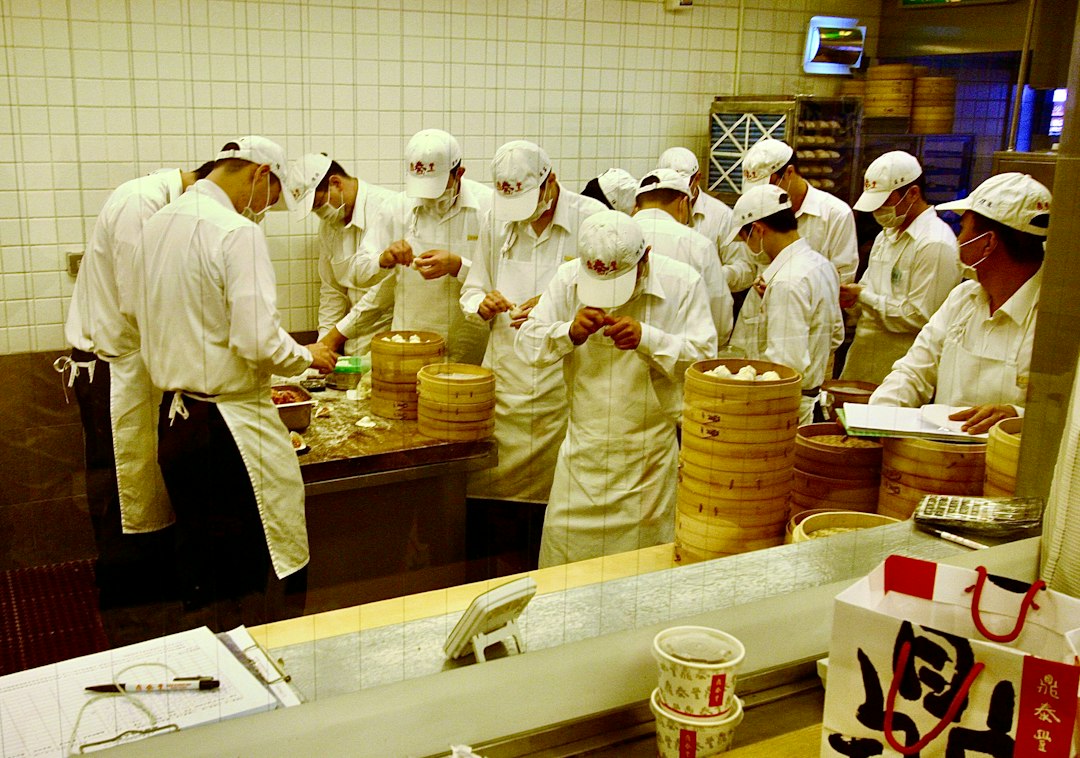
Career Ahead’s analysis shows that effective leaders in manufacturing must prioritize cultural initiatives.
Finally, recognizing and celebrating employee achievements is vital. Dulbecco emphasized that acknowledging hard work builds a positive atmosphere. This recognition motivates individuals and strengthens team cohesion, essential in a collaborative manufacturing environment.
The Role of Leadership in Shaping Corporate Culture
Leadership is crucial in shaping and sustaining company culture. Dulbecco’s leadership style is based on transparency and empathy, setting the tone for the organization. By modeling these values, she encourages her team to adopt similar practices, creating a ripple effect throughout the company.
Career Ahead’s analysis shows that effective leaders in manufacturing must prioritize cultural initiatives. This includes seeking feedback from employees and making changes based on their input. Dulbecco exemplifies this by regularly engaging with staff to understand their needs and concerns.
Moreover, leadership’s commitment to culture must be visible and consistent. Dulbecco’s dedication to a positive work environment is clear in Torani’s policies. For instance, the company’s decision to avoid layoffs during downturns reflects a deep commitment to its workforce, fostering loyalty and trust.
As the food industry evolves, leaders must adapt their cultural strategies to meet new challenges. Dulbecco’s insights provide a roadmap for executives looking to enhance their company’s culture and operational success. By prioritizing culture, leaders can create resilient organizations that thrive in a competitive landscape.
As the food manufacturing sector faces ongoing challenges, the question remains: how will companies like Torani adapt their cultural strategies for long-term success and employee satisfaction?
Career Ahead’s analysis shows that effective strategies include open communication, employee development programs, and recognizing achievements.
Frequently Asked Questions
What are effective strategies for enhancing company culture in food manufacturing?
Career Ahead’s analysis shows that effective strategies include open communication, employee development programs, and recognizing achievements. These practices foster a positive work environment that boosts engagement and productivity.
How does leadership influence corporate culture in manufacturing?
Leadership significantly influences corporate culture by modeling values like transparency and empathy. Effective leaders engage with employees, seek feedback, and show commitment to maintaining a supportive environment.
What should manufacturing executives do to foster a positive work environment?
Manufacturing executives should prioritize cultural initiatives that promote employee engagement and collaboration. This includes investing in training, creating inclusive workplaces, and recognizing employee contributions to build morale and loyalty.
Written by Career Ahead AI. AI can make mistakes, so verify key facts. Report errors to support@careeraheadonline.com.