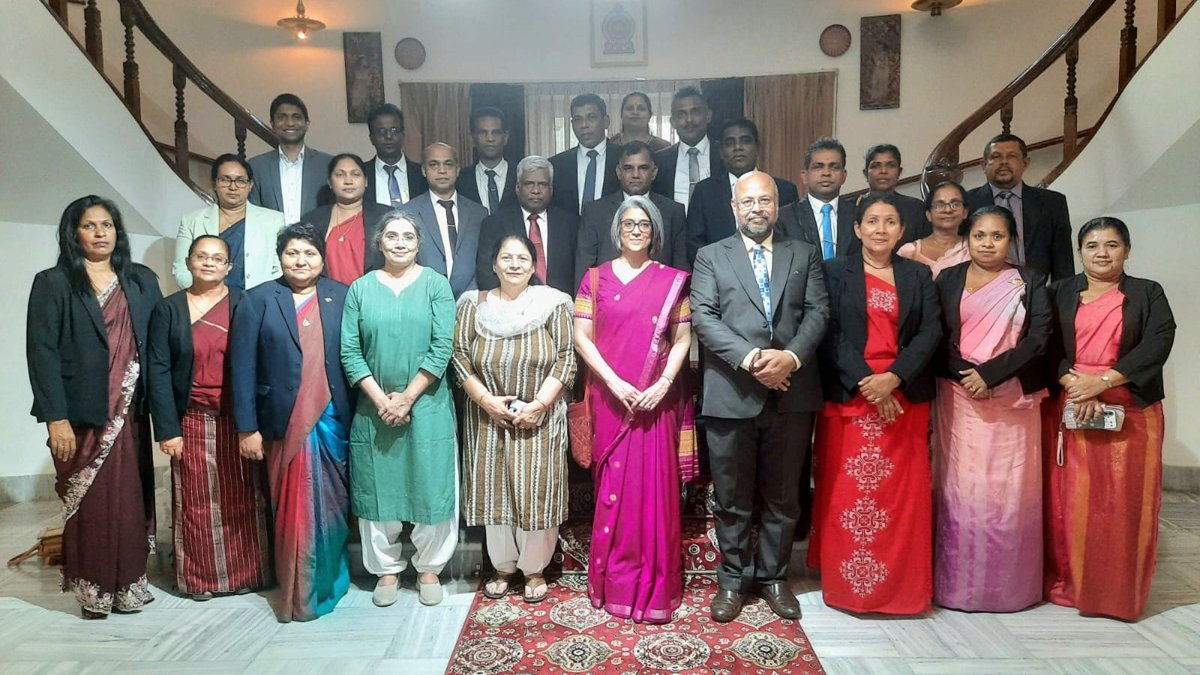
Representatives Bobby Scott of Virginia, Suzanne Bonamici of Oregon and Jahana Hayes of Connecticut are seeking to chair the Committee on Education and Workforce if Democrats take back the House. Democrats have also sent letters demanding Secretary Linda McMahon abandon plans they call illegal to delegate mandated responsibilities to other agencies.
Scott’s past chairmanship sets the contest’s history
When Democrats won control of the House in 2018, Representative Bobby Scott of Virginia chaired the education committee. Representative Jahana Hayes of Connecticut was the first to challenge Scott for the chair in September. Representative Suzanne Bonamici of Oregon is also vying to lead the committee. Scott’s earlier chairmanship gives him prior experience in the role, while Hayes and Bonamici are also seeking the position if Democrats regain the chamber.¹²
The letters to Secretary Linda McMahon focus on her plans to delegate responsibilities that Democrats say are mandated. They demand that she abandon those plans, which the lawmakers describe as illegal. The dispute puts the committee contest alongside a wider Democratic challenge to how McMahon handles those duties. The letters’ demand is specific: keep mandated responsibilities from being transferred to other agencies.¹²
Bonamici has also called for Secretary Linda McMahon’s impeachment. That position adds a direct accountability demand to Bonamici’s bid to lead the committee, alongside her proposals on college aid and affordability. Scott and Hayes are also competing for the chair, but the ledger does not identify their positions on impeachment. The candidates’ differences therefore include both the committee’s policy agenda and how Bonamici has called for McMahon to be held accountable.¹²
Pell Grants and affordable training anchor the agenda Representative Bobby Scott of Virginia said the committee’s focus should be access, naming Pell Grants, student loans and interest on student loans.
Pell Grants and affordable training anchor the agenda
 Education & University Insights
McMahon Plans $43,000 Education Office Furniture Purchase
The department's new headquarters is in a smaller privately owned building one block south, and McMahon said the move would save about $5 million a…
Read More →Representative Bobby Scott of Virginia said the committee’s focus should be access, naming Pell Grants, student loans and interest on student loans. Scott and Representative Suzanne Bonamici of Oregon both put doubling the maximum annual Pell Grant among their top agenda items: their stated target is to raise it from $7,395 to nearly $15,000. The proposal links their emphasis on access to a specific change in the maximum award, rather than a general call to expand college affordability.¹
Scott said the Pell Grant once covered about 80 percent of the cost of attending a state college. Bonamici has also called for expanding Federal Work-Study and Child Care Access Means Parents in School. Those programs would widen the aid discussion beyond the size of the Pell award: one is a work-study program, while the other is a child-care program for parents in school. Bonamici’s proposals address several forms of support for students.¹
A survey by Jobs for the Future, a nonprofit focused on the intersection of education and the workforce, found that 66 percent of responding Americans would be more likely to support a candidate focused on making education and training more affordable. The finding ties affordability to stated voter support in the survey. It does not measure support for a specific candidate or Pell Grant proposal; the reported result concerns candidates focused on lowering the cost of education and training.¹

Grant proposals face a projected funding gap
The Pell Grant faces a projected $17 billion funding shortfall for fiscal year 2027. That gap sits alongside the candidates’ goal of nearly doubling the maximum annual award. The size of the projected shortfall makes the funding source part of the policy debate, as well as the proposed award amount. The available figures describe a future shortfall and an intended increase; they do not establish how much of the shortfall the proposed changes would cover.¹
The latest budget proposal from President Trump provided a one-time $10.5 billion infusion to keep award levels steady. The infusion was described as a single contribution to maintain current award levels, rather than a recurring funding increase. That provision is distinct from Scott and Bonamici’s proposal to raise the maximum award. The projected shortfall and the one-time funding provision frame separate questions: the gap’s scale and the resources available to sustain grant levels.¹²
 Education & University Insights
Education Ranks as the Most Cyber-Attacked Sector
An LMS breach exposed student data, while AI can tailor phishing and clone school leaders’ voices.
Read More →Bonamici said funding for affordable higher education could come from clawing back money from Trump’s vanity projects and the budgets for ICE and the so-called Department of War. Both Scott and Bonamici also want to repeal federal loan limits set by Republicans in the 2025 One Big Beautiful Bill Act. Their proposals therefore address two parts of college access: public funding for affordability and limits on how much students can borrow under federal rules.¹²
It does not measure support for a specific candidate or Pell Grant proposal; the reported result concerns candidates focused on lowering the cost of education and training.¹
Pell Grant Doubling Shapes Career Planning
If you are weighing college costs, the push to double the maximum annual Pell Grant from $7,395 to nearly $15,000 changes the math for many students. A grant that once covered about 80 percent of a state college's cost now falls far short, so a near-doubling would reduce how much you need to borrow or earn. When comparing programs, ask whether a school's aid package assumes a higher grant or plans for the current level, since the proposal remains a goal, not a guarantee.¹
The projected $17 billion funding shortfall for fiscal year 2027 means any increase depends on new revenue, and Bonamici's proposed sources include clawing back funds from ICE and the Department of War. For your own planning, treat the current grant level as the baseline and consider how loan limits from the 2025 One Big Beautiful Bill Act affect your borrowing capacity. If you are a parent in school, the proposed expansion of Child Care Access Means Parents in School could lower your costs, so factor that possibility into a return-to-study decision.¹²
Sources
Written by Career Ahead AI. AI can make mistakes, so verify key facts. Report errors to support@careeraheadonline.com