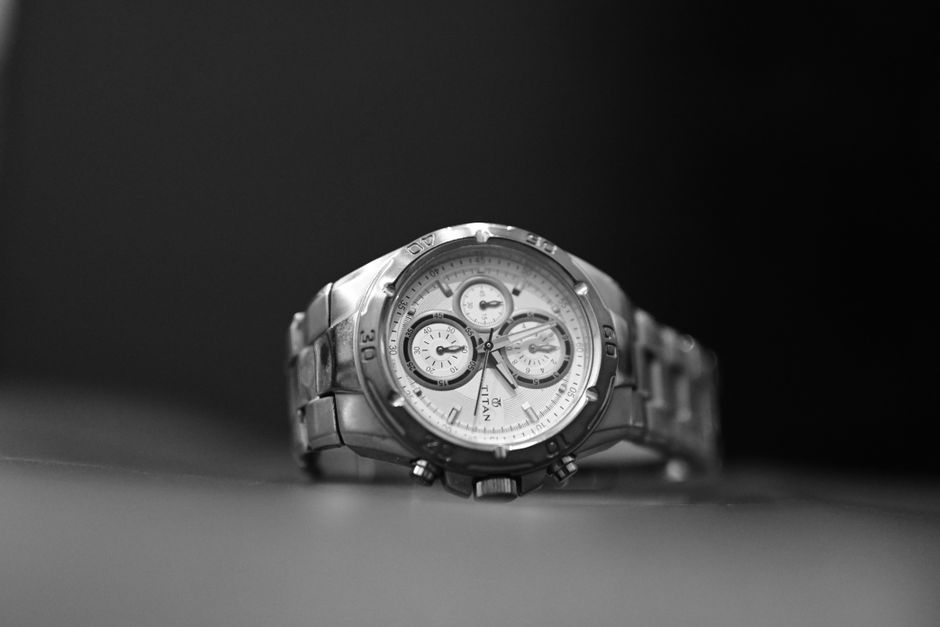
India — Titan Company is significantly expanding its focus on mechanical horology, with its mechanical watch business growing nearly fivefold over the past three years. The company aims to cater to the rising consumer demand for premium watches, with projections indicating a growth from ₹270 crore to approximately ₹350 crore by the end of the current fiscal year.
This shift in focus comes as consumers increasingly appreciate craftsmanship and engineering in watchmaking, moving away from traditional quartz timepieces. Titan’s CEO of Watches, Kuruvilla Markose, highlighted that the mechanical watch segment is now more than just a means of telling time; it has become a lifestyle statement. This transformation is indicative of a broader trend where consumers are not merely purchasing products but are investing in stories and experiences that resonate with their personal values.
Strategic Developments in Mechanical Watch Production
To capitalize on this growing interest, Titan Company has launched its in-house movement platform, Vetra. This initiative allows Titan to develop unique mechanical functions and designs, including open-heart constructions and complications like GMT and date features. By owning the movement design, Titan can create watches that reflect both artistry and precision. The Vetra platform is a significant leap forward, as it not only enhances the brand’s technical capabilities but also aligns with the increasing consumer demand for personalized and high-quality timepieces.
Markose emphasized that the Vetra platform represents a significant evolution in Titan’s mechanical capabilities. The new collection, including models like Infinium and Dualis, is built around the Vetra 7A architecture. This platform allows for a 72-hour power reserve, doubling the previous models’ capabilities and showcasing Titan’s commitment to enhancing its engineering prowess. Each Vetra movement is hand-assembled and rigorously tested, ensuring high quality and reliability. This meticulous approach not only enhances the product’s prestige but also aligns with the growing consumer demand for bespoke, high-quality timepieces.
Moreover, Titan is investing heavily in the local manufacturing ecosystem, which is crucial for maintaining quality and reducing lead times. The company is focusing on building a robust supply chain that includes precision component manufacturing and assembly processes that meet international standards. This strategic move not only solidifies Titan’s position in the competitive global horology market but also contributes to the growth of the Indian watch industry as a whole. As noted by industry experts, this commitment to local craftsmanship is essential for fostering innovation and sustainability within the sector.
This strategic move not only solidifies Titan’s position in the competitive global horology market but also contributes to the growth of the Indian watch industry as a whole.
In addition to enhancing production capabilities, Titan is also exploring collaborations with local artisans and craftsmen. This initiative aims to integrate traditional watchmaking techniques with modern technology, creating a unique blend that appeals to both purists and contemporary consumers. By doing so, Titan not only preserves the rich heritage of watchmaking but also encourages a new generation of artisans to enter the field.
Market Trends and Consumer Preferences
The surge in demand for mechanical watches is part of a broader premiumization trend in the Indian market. According to industry insights from The Hindu, watches priced above ₹25,000 are experiencing growth rates significantly higher than the overall market. This shift reflects a growing consumer preference for luxury items that offer both aesthetic appeal and functional excellence. The increasing popularity of mechanical watches can be attributed to a younger demographic that values craftsmanship, authenticity, and the stories behind their purchases.
Career Ahead’s analysis identifies that this trend is not just limited to affluent consumers; it is also becoming prevalent among younger demographics who value craftsmanship and storytelling in their purchases. The rise of social media and influencer marketing has further amplified this trend, allowing luxury watch brands to connect with a broader audience. As brands like Titan leverage these platforms, they are able to showcase the intricate details and artistry involved in mechanical watchmaking, thus attracting a new generation of watch enthusiasts.
As Titan navigates this evolving landscape, it is crucial for luxury watch marketers to adapt their strategies. Emphasizing the craftsmanship and heritage behind mechanical watches can attract consumers who are increasingly discerning about their purchases. This approach can foster brand loyalty and encourage repeat business, which is vital in a competitive market. Furthermore, the demand for high-quality components and materials is increasing, necessitating stronger relationships with suppliers who can meet rigorous quality standards. This shift is creating new job roles focused on quality assurance and supplier management within the mechanical watch segment.
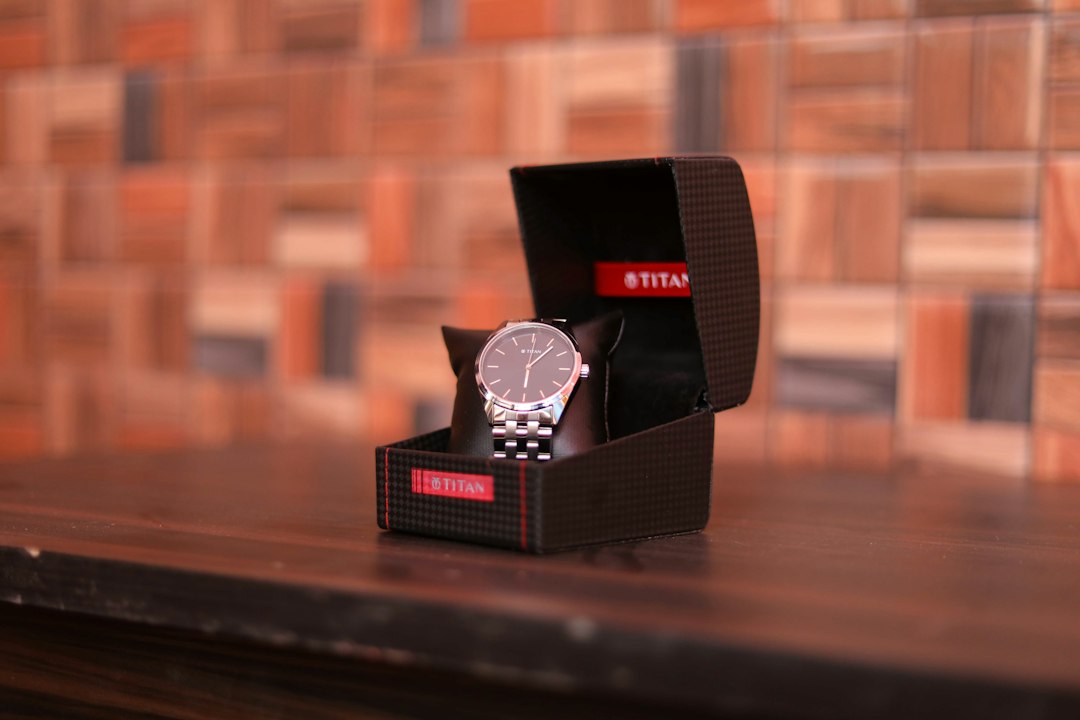
The rise of mechanical horology presents both opportunities and challenges for industry professionals. As Titan Company leads the charge in this segment, it highlights the potential for growth in domestic watch manufacturing capabilities. The development of in-house movements like Vetra not only enhances product offerings but also strengthens India’s position in the global watch market. However, this growth also indicates a potential skill gap in traditional watchmaking techniques. As the demand for skilled artisans and engineers increases, educational institutions and training programs must evolve to provide the necessary skill sets. Career Ahead research finds that the mechanical horology sector could see a significant influx of job opportunities, particularly for those with expertise in precision engineering and design.
As the demand for skilled artisans and engineers increases, educational institutions and training programs must evolve to provide the necessary skill sets.
Furthermore, the competitive landscape will likely intensify as more brands recognize the profitability of the mechanical watch segment. Companies that fail to innovate or adapt to changing consumer preferences risk losing market share to more agile competitors. This dynamic environment will require constant vigilance and adaptability from industry leaders. In summary, the mechanical watch segment is poised for significant growth, driven by consumer demand and a shift towards premiumization. As Titan Company deepens its focus on this area, the implications for the watch industry at large are profound. The question remains: how will other brands respond to this evolving landscape, and what new innovations will emerge in the world of mechanical horology?
Frequently Asked Questions
What are the latest trends in mechanical watch design?
Recent trends in mechanical watch design focus on craftsmanship and unique complications. Brands are increasingly offering models with features like open-heart constructions and extended power reserves, appealing to consumers’ desires for both functionality and aesthetic appeal.
How can luxury watch marketers leverage the growth in mechanical horology?
Luxury watch marketers can leverage this growth by emphasizing the craftsmanship and heritage behind their products. Engaging storytelling and targeted social media campaigns can help connect with younger consumers who value authenticity and quality.

What skills are essential for supply chain managers in the evolving watch industry?
Supply chain managers in the watch industry need skills in quality assurance and supplier relations. As demand for high-quality mechanical components increases, strong relationships with reliable suppliers will be crucial for maintaining product standards.
Written by Career Ahead AI. AI can make mistakes, so verify key facts. Report errors to support@careeraheadonline.com.