No products in the cart.

Titan Sub Disaster Reveals Design Flaws, Groupthink Issues
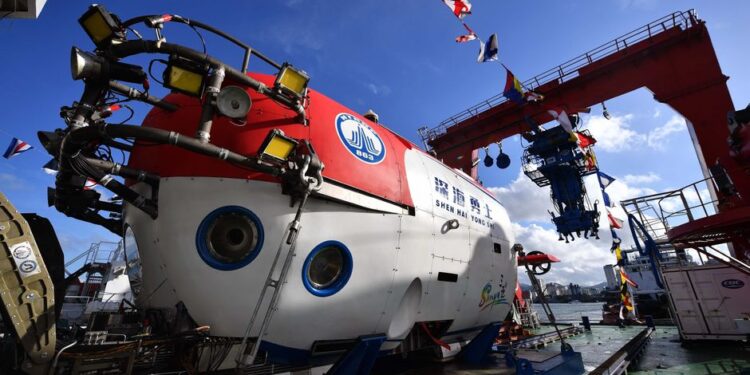
A recent report highlights critical design flaws and a culture of groupthink at OceanGate, the company behind the Titan submersible, emphasizing the urgent need for improved safety protocols in submarine engineering.

Canadian authorities released a report on major design flaws and groupthink at OceanGate, the company behind the Titan submersible. The Titan imploded during a dive to the Titanic wreck in June 2023. Five passengers were lost, leading to an international investigation into the incident.
This report shows the urgent need to reevaluate safety protocols and design standards in submarine engineering. The investigation revealed that OceanGate’s safety and design approach was deeply flawed. This raises questions about the oversight mechanisms for such high-risk projects.
Identifying Critical Design Flaws in Submarine Engineering
Investigators from Canada’s Transportation Safety Board (TSB) found that the Titan’s design did not follow standard engineering practices. The report noted that using carbon fiber in the submersible’s hull was particularly problematic. OceanGate admitted their design was novel but did not conduct enough testing on the material’s strength under extreme pressure.
The TSB reported that the Titan’s carbon fiber structure had “ply waviness,” a defect that weakens the material. They pointed out that the company only performed limited tests on scaled models, not full-scale prototypes. This lack of rigorous testing meant that the Titan’s hull failure was unexpected, leading to the catastrophic implosion.
Career Ahead’s analysis shows that these design flaws are part of a larger trend in submarine engineering.
Additionally, the report stated that OceanGate did not adequately consider the cumulative damage the submersible would face over multiple dives. The Titan had completed 13 dives before the fatal trip. Investigators believe that repeated exposure to high pressure contributed to the structural failure. Without comprehensive testing, engineers were unaware of the hull’s limits, leading to disaster. The TSB’s findings stress that relying on innovative materials without thorough testing can have dire consequences, as seen in the Titan incident.
You may also like
 News
NewsState Funding for Special Education Falls Short as Advocates Call for Immediate Action
Federal and state allocations for special‑education programs are below the levels required by law, prompting national advocacy groups to demand corrective measures.
Read More →Career Ahead’s analysis shows that these design flaws are part of a larger trend in submarine engineering. Innovative materials are often used without proper testing. This incident serves as a wake-up call for engineers to prioritize rigorous testing and follow established safety protocols to prevent similar tragedies. The TSB’s report also highlighted that not adhering to established engineering standards is a systemic issue in the industry.
Furthermore, the investigation revealed that OceanGate’s design process lacked necessary checks and balances typical in high-stakes engineering projects. The absence of independent oversight allowed the company to move forward with their flawed design without accountability. This is a critical failure that must be fixed to ensure safety in future submersible designs.
The Impact of Groupthink on Safety Protocols
The investigation also uncovered a troubling culture of groupthink within OceanGate. This occurs when a group values consensus over critical analysis, leading to poor decisions. The TSB report noted that employees who raised safety concerns were often dismissed, creating an environment where dissenting opinions were unwelcome.
The Titan incident serves as a crucial reminder that the engineering community must prioritize safety over innovation to prevent future tragedies.
Groupthink can severely compromise safety protocols, especially in high-stakes fields like submarine engineering. The TSB indicated that OceanGate’s leadership showed a closed-minded approach, which may have led to underestimating risks with the Titan’s design. This culture of conformity can result in catastrophic oversights, as seen in this case. The report highlighted that the company’s CEO, Stockton Rush, often ignored warnings from engineers and experts, showing how groupthink can lead to disastrous outcomes.
You may also like
 News
NewsUS Job Market Shrinks by 23,000
The US economy lost 23,000 jobs in July, surprising economists and raising concerns about the sustainability of the economic recovery. Despite the job losses, the…
Read More →Moreover, the report emphasized that the lack of external oversight worsened the situation. OceanGate operated in a largely unregulated environment, with minimal checks on its risk assessment processes. This absence of independent reviews allowed the company to continue with its flawed design and testing methods without accountability. This lack of oversight is alarming, especially given the high stakes of deep-sea exploration. The TSB has called for policy changes to require stricter safety measures and oversight for submersible operations.
Career Ahead research shows that fostering an open culture where safety concerns are addressed can reduce the risks of groupthink. Encouraging diverse perspectives and critical discussions within engineering teams is essential. This will enhance safety protocols and ensure all potential risks are thoroughly evaluated. The Titan incident serves as a crucial reminder that the engineering community must prioritize safety over innovation to prevent future tragedies.
The implications of the Titan incident extend beyond OceanGate. They highlight a critical need for a cultural shift within the engineering community towards prioritizing safety and rigorous testing. As the industry reflects on this tragedy, the focus must be on preventing such incidents in the future. It remains to be seen how regulatory bodies will respond and if they will implement necessary changes to ensure the safety of future submersible operations. The engineering community must stay vigilant and proactive in addressing these challenges to prevent another tragedy like the Titan.
The Titan incident has sparked calls for stronger regulations in the submarine engineering sector. The TSB report stressed that current regulations are not enough to ensure the safety of experimental submersibles like the Titan. Without proper oversight, companies may take undue risks that endanger the lives of passengers and crew. Investigators found no external checks on OceanGate’s risk assessment processes, allowing the company to operate without necessary certifications. This lack of oversight is concerning, especially given the high stakes of deep-sea exploration. The TSB has urged for policy changes to require stricter safety measures and oversight for submersible operations.
Engineers and policymakers must work together to develop comprehensive safety regulations that address the unique challenges of submarine engineering.
As the industry evolves and new technologies emerge, regulatory bodies must adapt to ensure safety standards keep pace with innovation. The Titan incident is a crucial reminder that safety cannot be compromised in the pursuit of exploration and innovation. Engineers and policymakers must work together to develop comprehensive safety regulations that address the unique challenges of submarine engineering.
Frequently Asked Questions
What are the key design flaws in the Titan sub?
The Titan submersible had significant design flaws. These included inadequate testing of its carbon fiber structure and failing to account for cumulative damage from repeated dives. The lack of rigorous safety protocols contributed to its catastrophic implosion.
How can aerospace engineers prevent groupthink in design processes?
You may also like
 News
NewsWorkplace Attire Shifts Toward Flexible, Brand‑Focused Styles in 2026
The fashion of professional workwear is undergoing a measurable change in 2026, with a growing number of employees opting for attire that blends comfort, personal…
Read More →Aerospace engineers can prevent groupthink by fostering an open culture that encourages diverse perspectives and critical discussions. Establishing processes that prioritize safety and welcome dissenting opinions can help reduce risks.
What should submarine design engineers do to enhance safety protocols?
Submarine design engineers should implement comprehensive testing protocols and ensure they follow established engineering standards. Collaborating with regulatory bodies to develop strict safety measures is essential for future projects.