No products in the cart.

Tornado Recovery: Schools Rebuilt, Challenges Faced
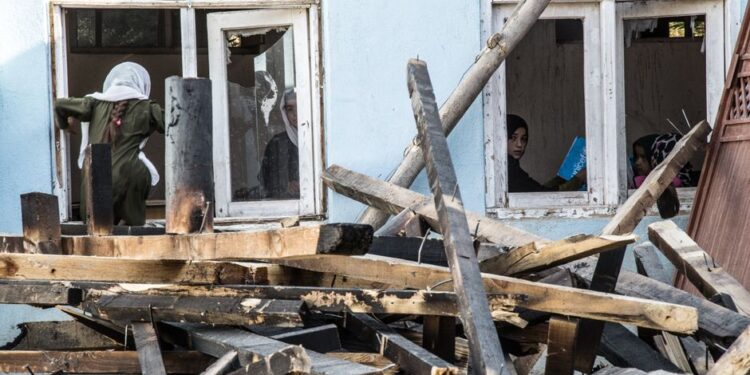
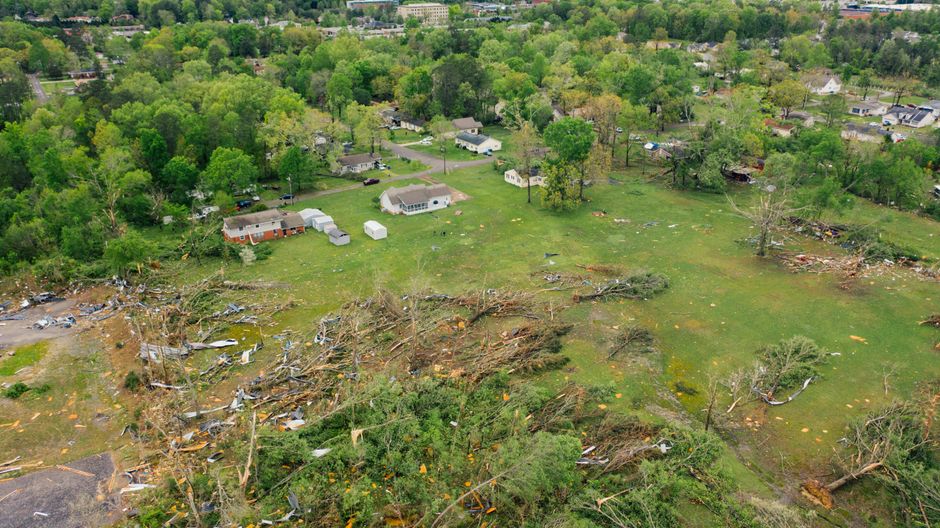
In the wake of the tornado, which destroyed over 7,000 homes and left 158 people dead, the Joplin School District was left with significant damage to its educational facilities.

Joplin, Missouri — After a devastating tornado struck in May 2011, the Joplin School District faced the monumental task of rebuilding its educational infrastructure. Within a remarkably short period, the district not only rebuilt its schools but also implemented innovative strategies that have become a model for similar recovery efforts across the country. This article explores the key strategies, funding opportunities, and community engagement that facilitated this rapid recovery.
In the wake of the tornado, which destroyed over 7,000 homes and left 158 people dead, the Joplin School District was left with significant damage to its educational facilities. The disaster prompted immediate action from school leaders, including Superintendent C.J. Huff, who prioritized rebuilding the schools to ensure students could return to a safe and productive learning environment. The urgency of this task was underscored by the emotional and psychological needs of students and staff affected by the disaster. As noted by the New York Times, the rebuilding process was not just about restoring physical structures but also about addressing the deep psychological scars left by the tragedy.
Innovative Approaches to School Reconstruction
The Joplin School District’s approach to rebuilding was characterized by innovative strategies aimed at not only restoring but also improving educational facilities. The district adopted a comprehensive plan that included modern design principles, sustainable building practices, and community input. This multifaceted approach ensured that the new schools would meet the needs of the students while also serving as resilient structures capable of withstanding future disasters.
One significant aspect of the rebuilding effort was the use of modular construction techniques. These methods allowed for faster assembly and reduced costs, enabling the district to reopen schools more quickly. For instance, the Joplin High School was rebuilt using a modular design that facilitated rapid construction while also incorporating advanced technology and safety features. This not only provided students with a state-of-the-art learning environment but also demonstrated the effectiveness of modern construction methods in disaster recovery. According to Idyllic Pursuit, the entire school district was rebuilt in less than a year, showcasing the efficiency of these innovative techniques.
Additionally, the district focused on creating multi-purpose facilities that could serve various community needs. By designing schools that could be used as emergency shelters or community centers, the district ensured that the investment in educational infrastructure would benefit the broader community. This approach fostered a sense of ownership among community members and highlighted the importance of schools as vital community assets. The design of these facilities was not only functional but also aesthetically pleasing, which helped to restore a sense of normalcy and pride in the community.
Funding Strategies for Reconstruction Funding played a crucial role in the successful rebuilding of Joplin’s schools.
Moreover, the Joplin rebuilding effort emphasized the integration of mental health resources within schools. Recognizing the trauma experienced by students and staff, the district implemented programs that provided psychological support and counseling services. This holistic approach to rebuilding not only addressed physical infrastructure but also prioritized the emotional well-being of students, making it a comprehensive model for recovery. The district’s commitment to mental health was evident in the establishment of dedicated spaces within schools for counseling and support groups, ensuring that students had access to the resources they needed to heal.
You may also like
 Education & University Insights
Cornell Students Call for Change
The meeting drew attention not only for its fervor but also for the diverse array of issues raised.
Read More →Funding Strategies for Reconstruction
Funding played a crucial role in the successful rebuilding of Joplin’s schools. The district leveraged various sources to finance the reconstruction efforts. The Federal Emergency Management Agency (FEMA) provided significant disaster relief funds, which were instrumental in covering the immediate costs associated with rebuilding. However, the district also sought additional funding through grants and community fundraising initiatives.
One notable initiative was the establishment of the Joplin Schools Foundation, which mobilized community support and raised funds specifically for educational recovery. This foundation not only provided financial assistance but also engaged local businesses and residents in the rebuilding process. By fostering a sense of community involvement, the district was able to create a network of support that extended beyond financial contributions. The foundation’s efforts were complemented by local fundraising events, which brought together residents to contribute to the recovery, reinforcing community bonds.
Additionally, partnerships with local and national organizations helped secure further funding. Collaborations with entities such as the American Red Cross and various philanthropic foundations provided crucial resources that enabled the district to implement innovative programs and facilities. This collaborative approach to funding ensured that the rebuilding efforts were sustainable and aligned with the community’s long-term educational goals.

Community Engagement in Recovery Efforts
Community engagement was a cornerstone of Joplin’s recovery efforts. The school district recognized that involving community members in the rebuilding process would not only enhance the facilities but also foster a sense of ownership and pride among residents. Public forums and community meetings were held to gather input from parents, students, and local stakeholders, ensuring that the new schools reflected the values and needs of the community.
This inclusive approach helped build trust between the school district and the community, which was essential for the success of the rebuilding efforts. By actively involving community members in decision-making processes, the district was able to address concerns and incorporate feedback into the design and functionality of the new schools. This not only improved the physical spaces but also strengthened the community’s connection to the educational system.
By fostering partnerships with local businesses, the district created a network of support that extended beyond the immediate rebuilding efforts.
You may also like
 Education & University Insights
How Parents Are Talking to Sons About the Cornell Rape Allegations
These discussions are not just limited to the dinner table; they are occurring during school commutes, sports practices, and even through social media.
Read More →Moreover, local businesses played a vital role in the rebuilding process. Many contributed materials, services, and funding to support the construction of new schools. This collaboration not only reduced costs but also reinforced the idea that schools are integral to the community’s identity and well-being. By fostering partnerships with local businesses, the district created a network of support that extended beyond the immediate rebuilding efforts.
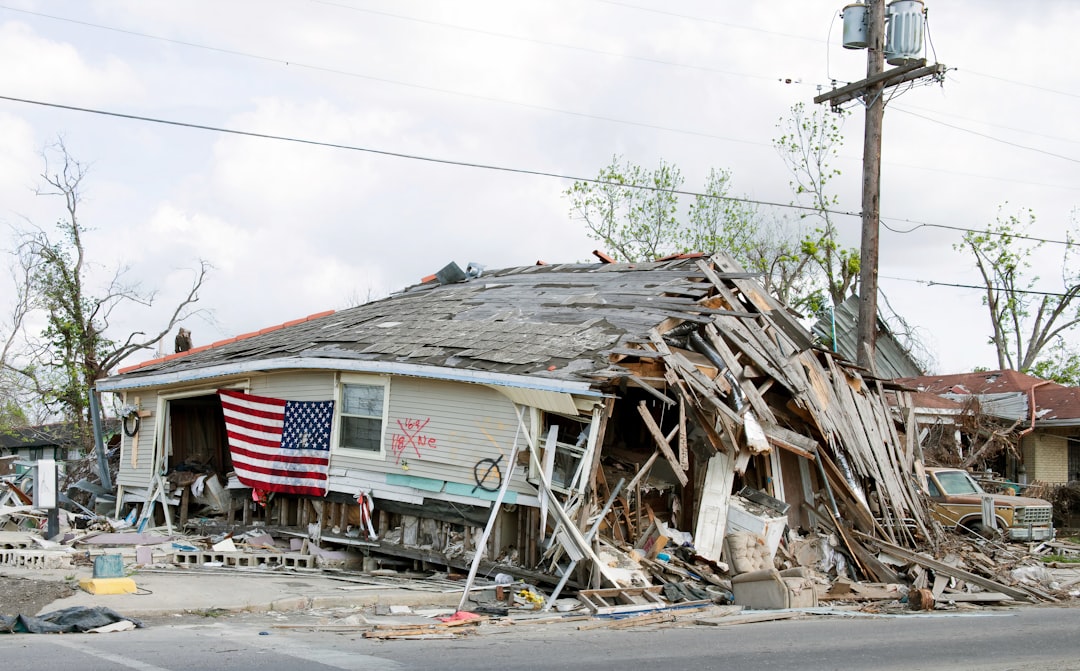
In addition to physical contributions, community engagement also included volunteer initiatives. Residents came together to assist with cleanup efforts, fundraising events, and mentorship programs for students. This grassroots involvement not only expedited the recovery process but also created lasting relationships between students and community members, reinforcing the idea that education is a shared responsibility.
Lessons Learned from Joplin’s Experience
The Joplin experience underscores the importance of community engagement in disaster recovery. By prioritizing collaboration and inclusivity, educational leaders can create resilient systems that not only recover from disasters but also thrive in the long term. As communities across the United States and beyond continue to face the challenges posed by natural disasters, the lessons learned from Joplin’s recovery efforts remain relevant. The strategies implemented in Joplin provide a valuable case study for educational leaders seeking to rebuild effectively after disasters, highlighting the importance of innovation, funding, and community involvement in creating resilient educational infrastructures.
Frequently Asked Questions
What are the key steps for school superintendents in disaster recovery?
School superintendents should prioritize immediate safety assessments, secure funding through diverse sources, and engage the community in the rebuilding process. These actions set the foundation for a successful recovery.
Educational administrators can secure funding by leveraging federal disaster relief funds, establishing community foundations, and forming partnerships with local businesses and non-profits.
How can educational administrators secure funding for rebuilding?
Educational administrators can secure funding by leveraging federal disaster relief funds, establishing community foundations, and forming partnerships with local businesses and non-profits. This multi-faceted approach enhances financial stability for reconstruction efforts.
What community resources are available for supporting school reconstruction efforts?
You may also like
 Education & University Insights
As Cornell Reckons with Sexual Assault Case, Will Applicants
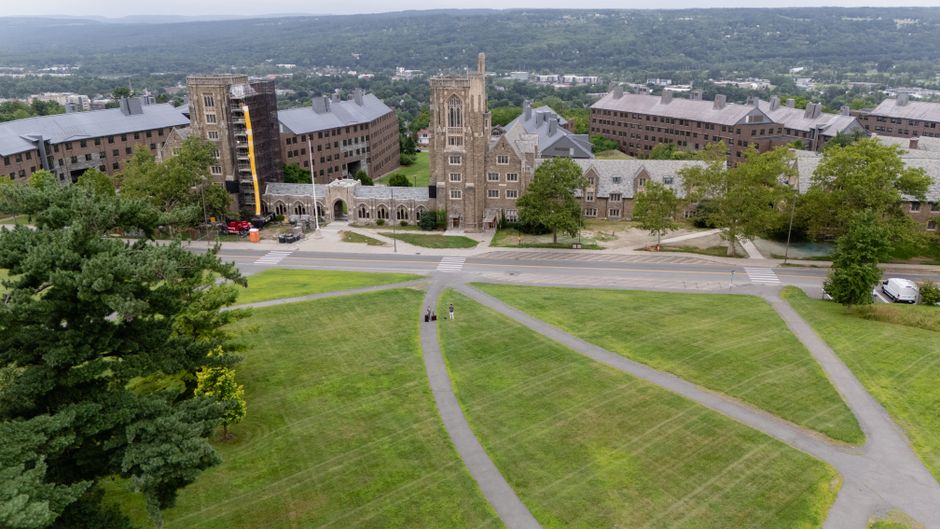
Cornell University's ongoing sexual assault case is prompting prospective applicants and alumni to reconsider their ties to the institution. As concerns about campus safety rise,…
Read More →Community resources include local businesses offering materials and services, volunteer organizations providing manpower, and philanthropic foundations that can provide grants. Engaging these resources fosters a collaborative rebuilding environment.