No products in the cart.

Transforming Feedback Culture in Luxury Jewelry

Explore how harsh criticism impacts creativity in luxury jewelry and the shift towards compassionate communication for artisans.

“`html
The Price of Perfection: Feedback in luxury jewelry
In luxury jewelry, the pursuit of perfection drives creation. This industry values not just stunning gemstones and intricate designs, but also a culture focused on excellence. The global luxury goods market is vast, highlighting the importance of maintaining high-quality standards.
Designers and artisans face immense pressure to succeed. Many report that feedback greatly influences their creativity and emotional health. However, balancing constructive criticism with the high demands of the luxury market is challenging. In this high-stakes environment, even small mistakes can harm reputations, increasing stress over every piece evaluated.
Case studies show that many artisans struggle with the tension between striving for perfection and fearing criticism. One designer recalled how a harsh review early in their career caused a creative block, illustrating how feedback can deeply affect artistic expression. The luxury jewelry sector’s strict standards can create a climate where fear stifles innovation and diminishes the joy of creation.
When Critique Becomes Cruelty: understanding the Impact
While feedback is essential for growth, the luxury jewelry industry can suffer from excessively harsh criticism. When feedback turns cruel, it can resemble workplace bullying and harm mental health.
When Critique Becomes Cruelty: understanding the Impact While feedback is essential for growth, the luxury jewelry industry can suffer from excessively harsh criticism.
Negative feedback can severely impact designers’ self-esteem. This is especially true in luxury jewelry, where the relentless quest for perfection creates a high-pressure atmosphere that can stifle creativity and leave artisans feeling vulnerable and discouraged.
The effects extend beyond individual artisans. A toxic feedback culture can lead to high turnover rates, with some designers considering leaving the industry due to the pervasive negativity. This loss not only affects artisans but also threatens the sector’s creativity and innovation, undermining the essence of luxury jewelry.

First-hand accounts reveal the struggles artisans face. One former designer left the industry after years of harsh critiques that drained their passion for the craft. These stories highlight the urgent need for change in how feedback is given and received, emphasizing the human aspect of creative work.
Redefining Standards: A Call for Compassionate Communication
In response to these challenges, industry leaders are pushing for a shift toward more compassionate communication. The goal is to create a healthier feedback culture that recognizes the emotional aspects of artistic creation. Structured feedback models, like the “sandwich method,” which combines constructive criticism with positive reinforcement, can reduce the negative impact of harsh evaluations.
You may also like
 Artificial Intelligence
AI Transformation in Retail: The Human Touch Needed
Explore why a human-centric approach is crucial for AI in retail, as discussed at Strategy Summit 2026. Learn about empathy's role in enhancing customer experiences.
Read More →Workshops on emotional intelligence and effective communication are also gaining popularity. Organizations are launching initiatives to train artisans in giving and receiving feedback with empathy, fostering a supportive environment for creativity.
These stories highlight the urgent need for change in how feedback is given and received, emphasizing the human aspect of creative work.
Many industry survey respondents believe that a more supportive feedback culture could enhance creativity and collaboration within teams. As the luxury jewelry sector evolves, adopting a more empathetic approach to feedback may improve artisans’ well-being and usher in a new era of innovation and craftsmanship.
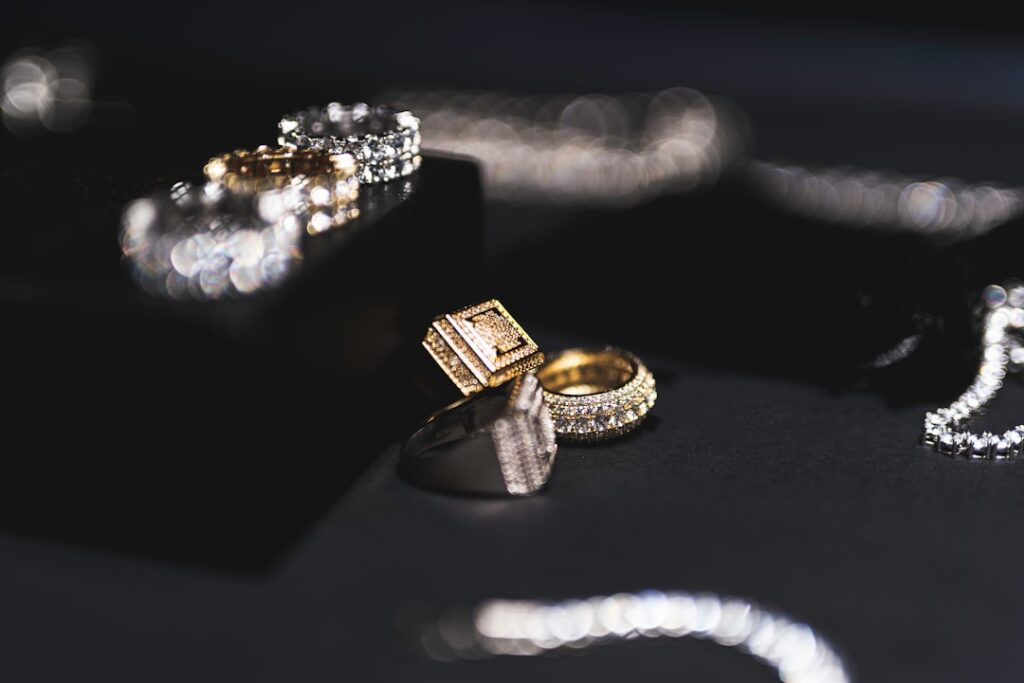
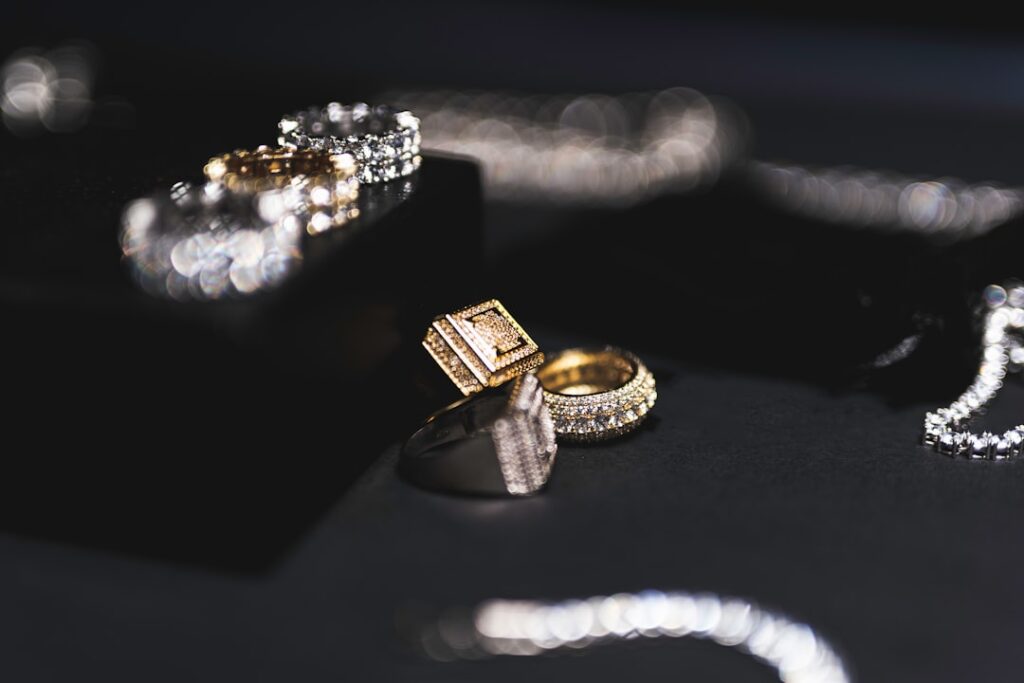
The luxury jewelry industry is at a crucial turning point. To move forward, it must redefine its standards—shifting from a culture of critique to one of collaboration. Feedback should foster growth, not breed discontent. By embracing this new vision, the sector can unlock creativity and resilience, ensuring that each piece of jewelry reflects not just beauty, but also the stories of the artisans who create it.
“`