No products in the cart.

Transforming the North American Automotive Industry
The North American automotive industry is undergoing significant transformation due to electric vehicles and advanced technologies. This analysis explores the implications for business and careers.

The North American automotive industry stands at a pivotal crossroads. As traditional manufacturing practices face disruption, the shift towards electric vehicles (EVs) and advanced technologies is reshaping the landscape. This transformation is not just about new cars; it represents a fundamental change in how vehicles are designed, produced, and sold. The implications are vast, affecting businesses, workers, and consumers alike.
As automakers adapt to these changes, they must navigate a complex web of challenges and opportunities. The demand for EVs is surging, driven by consumer preferences and regulatory pressures. This shift is prompting a reevaluation of supply chains, manufacturing processes, and workforce skills. Understanding these dynamics is essential for stakeholders across the industry.
The Shift to Electric Vehicles
The transition to electric vehicles is a major driver of change in the North American automotive sector. According to data from McKinsey, the EV market is projected to grow significantly, with estimates suggesting that by 2030, EVs could account for up to 30% of all vehicle sales in the region. This growth is fueled by increasing consumer awareness of environmental issues and government incentives aimed at reducing carbon emissions.
Automakers are responding to this demand by investing in EV technology. Many companies are committing substantial resources to develop new electric models and improve battery technology. This investment is not just about keeping up with competitors; it’s about survival in a rapidly evolving market. Traditional gas-powered vehicles are expected to decline in sales, making the shift to EVs not only a strategic choice but a necessary one.
This growth is fueled by increasing consumer awareness of environmental issues and government incentives aimed at reducing carbon emissions.
However, this shift also presents challenges. Automakers must rethink their supply chains to accommodate the unique requirements of EV production. Sourcing materials for batteries, such as lithium and cobalt, is becoming increasingly important as companies explore partnerships and investments in mining operations to secure these critical resources, which adds another layer of complexity to the transition.
Workforce Implications and Skills Gap
The transition to electric vehicles and advanced manufacturing technologies has significant implications for the workforce. As the industry evolves, the demand for skilled labor will change dramatically. For instance, roles related to traditional manufacturing processes may decline, while positions in software development, battery technology, and EV maintenance will rise.
You may also like
 Entrepreneurship & Business
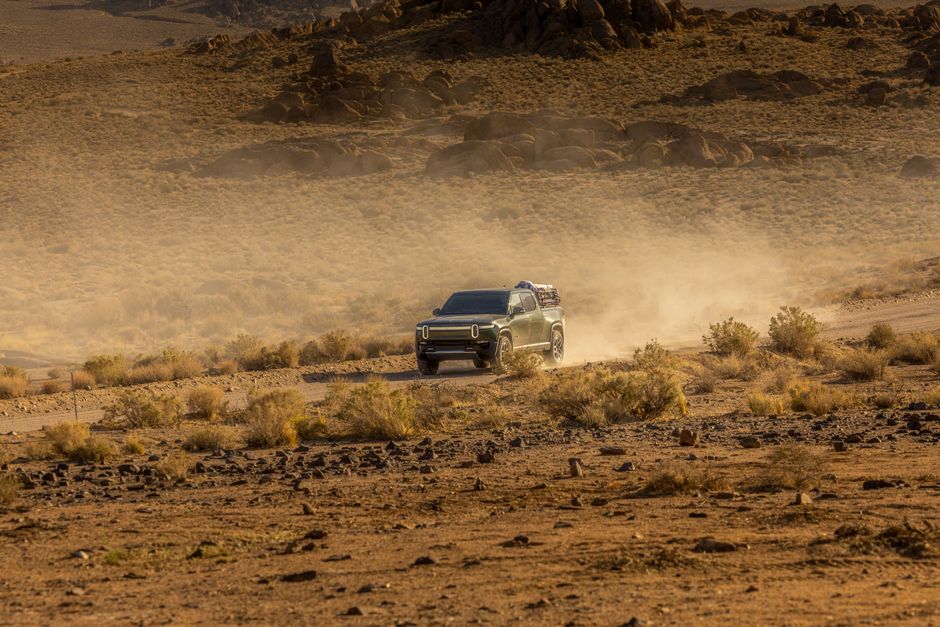
Rivian’s sales pop as the company’s big R2 bet starts to pay off
This surge is particularly noteworthy as it comes amid a broader decline in the EV market, where overall sales have dropped nearly 24% year-over-year.
Read More →According to Forbes, the automotive industry is facing a significant skills gap. Many current workers lack the training necessary to transition into new roles that focus on EV technology and digital manufacturing. This gap poses a challenge for automakers looking to fill positions in emerging fields. Companies are investing in training programs and partnerships with educational institutions to prepare the workforce for these changes.
Moreover, the shift towards EVs is likely to impact job locations. Manufacturing plants may need to adapt or relocate to areas with better access to resources or talent. This could lead to job displacement in traditional automotive hubs, raising concerns about economic impacts on those communities. Stakeholders must address these issues to ensure a smooth transition for workers and local economies.
Future Outlook and Strategic Considerations
The future of the North American automotive industry is intertwined with the global shift towards sustainability. As more countries adopt stringent emissions regulations, the pressure on automakers to innovate will only increase. Companies must not only focus on producing electric vehicles but also on sustainability practices throughout their operations.
Companies are investing in training programs and partnerships with educational institutions to prepare the workforce for these changes.
Looking ahead, collaboration among stakeholders will be crucial. Automakers, governments, and technology providers must work together to create a supportive ecosystem for EV development. This includes investing in charging infrastructure, developing battery recycling methods, and ensuring a stable supply of raw materials. Such collaboration can drive innovation and create a more resilient automotive sector.

While the transition to electric vehicles presents challenges, it also offers significant opportunities. Companies that embrace this change and invest in new technologies will likely emerge as leaders in the industry. The potential for growth is substantial, but it requires a proactive approach to address the evolving landscape.
You may also like
 Entrepreneurship & Business
Bajaj Finance set to mop up Rs 17,500 crore via QIP, warrants
Bajaj Finance plans to raise ₹17,500 crore through a qualified institutional placement (QIP) and warrants, marking its first major capital raise since November 2023. This…
Read More →In conclusion, the North American automotive industry is at a transformative juncture. The shift towards electric vehicles and advanced manufacturing technologies will reshape the sector, impacting everything from supply chains to workforce dynamics. For young professionals and job seekers, this evolution presents new career opportunities in emerging fields. As the industry adapts, staying informed and acquiring relevant skills will be essential for success in this dynamic environment.