No products in the cart.

Transforming Urban Landscapes: The Circular City Movement

Circular cities are redefining urban landscapes by prioritizing sustainability and resilience. This article explores their impact on the future of urban living.

Amsterdam, Netherlands — The rise of circular cities represents a significant shift in urban planning, embracing sustainability and resilience. These cities are redefining how urban ecosystems operate by emphasizing reuse, waste reduction, and initiatives that foster environmental stewardship.
As the global population continues to urbanize, with projections suggesting that by 2050, nearly 68% of the world’s population will live in cities, the need for innovative solutions has never been more pressing. Circular cities aim to combat the challenges of waste accumulation, resource depletion, and climate change through smart design and community engagement.
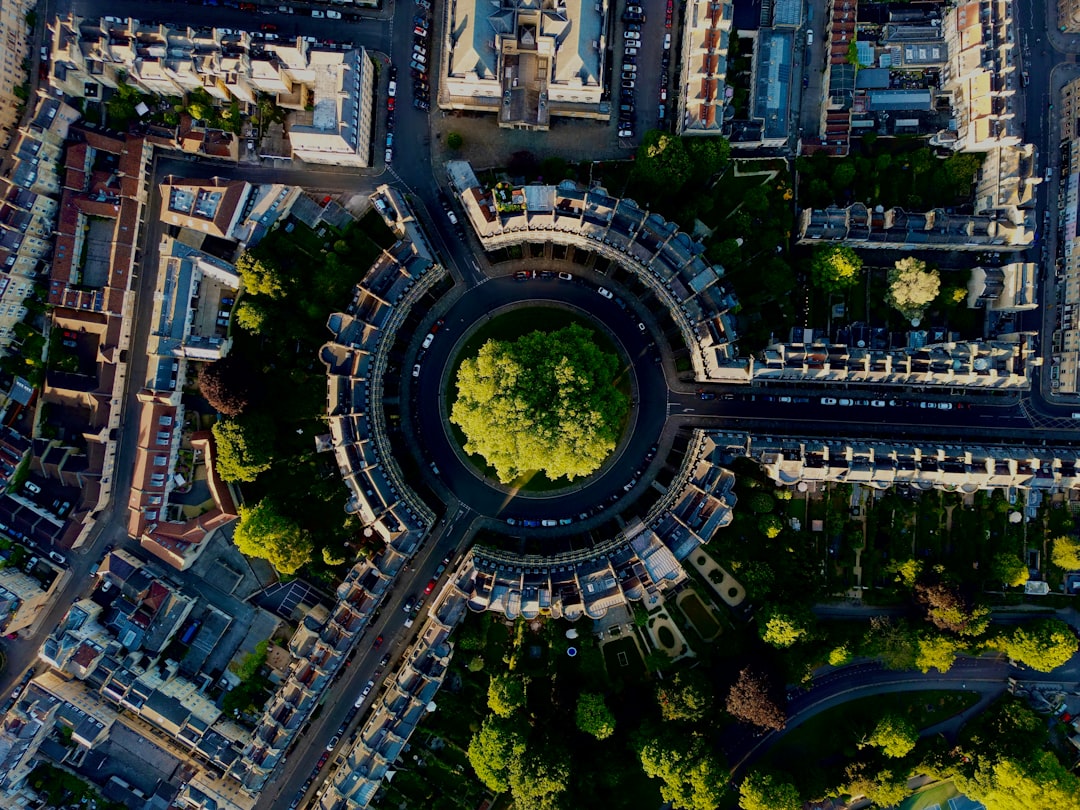
The concept of circular cities revolves around the principles of the circular economy, where resources are kept in use for as long as possible. The goal is to create a closed-loop system that minimizes waste and encourages recycling and repurposing. Cities like Amsterdam, Barcelona, and Copenhagen are leading the way in this movement, implementing policies that prioritize sustainability.
Amsterdam has set an ambitious goal: to become fully circular by 2050. The city has initiated numerous projects, including the Amsterdam Circular Strategy, which focuses on reducing waste and enhancing resource efficiency. By 2020, the city reported that it had already achieved a 27% reduction in waste compared to 2018 levels[1]. This progress serves as a model for other cities looking to adopt similar practices.
 Career Development
Exploring Job Opportunities in India’s Entertainment Sector for 2025
As India's entertainment sector evolves, job opportunities are expanding rapidly. Explore the trends and skills needed for success in 2025.
Read More →The city has invested heavily in renewable energy, waste management, and green infrastructure, demonstrating how circular economy principles can be integrated into urban planning[3].
Barcelona is another example, having launched its own circular economy strategy aimed at reducing waste by 50% by 2030. The city is focusing on transforming public spaces, encouraging local food production, and promoting sustainable urban mobility. These initiatives not only enhance quality of life for residents but also contribute to a more resilient urban ecosystem[2].
Copenhagen’s commitment to sustainability is evident in its ambitious Climate Action Plan, which aims to make the city the world’s first carbon-neutral capital by 2025. The city has invested heavily in renewable energy, waste management, and green infrastructure, demonstrating how circular economy principles can be integrated into urban planning[3].
Despite the promising advancements, the transition to circular cities is not without challenges. Critics point out that the initial costs of implementing circular economy strategies can be prohibitive for some municipalities. Additionally, there is often a lack of public awareness and engagement regarding the benefits of circular initiatives.
Stakeholders emphasize the importance of collaboration among governments, businesses, and citizens to overcome these barriers. For instance, the Ellen MacArthur Foundation has been instrumental in promoting circular economy principles globally, advocating for systemic change and providing resources for cities to implement these strategies.
 Career Trends
Microsoft Restructures Again: 9,000 Jobs Cut as AI Takes Priority
In its second major round of layoffs this year, Microsoft has cut 9,000 jobs to focus more heavily on AI…
Read More →The economic benefits of adopting circular city principles are significant. According to a report by Accenture, transitioning to a circular economy could unlock $4.5 trillion in economic growth by 2030[4]. This potential for profitability is driving many cities to rethink their approaches to urban development.
Moreover, the COVID-19 pandemic has underscored the urgency of building resilient cities. As urban areas faced unprecedented challenges, the need for sustainable practices became clearer. Circular cities, with their focus on resource efficiency and waste reduction, offer a viable path forward for urban resilience.
Stakeholders emphasize the importance of collaboration among governments, businesses, and citizens to overcome these barriers.
Looking ahead, the integration of technology will play a crucial role in the evolution of circular cities. Smart city technologies, such as IoT (Internet of Things), can optimize resource management, improve waste collection, and enhance citizen engagement. By harnessing data and analytics, cities can make informed decisions that align with circular economy principles.
As more cities adopt circular economy practices, the ripple effect will likely influence global urban planning standards. Future urban environments may prioritize not just the aesthetics of buildings but also their ecological footprints. This shift could inspire a new generation of architects and urban planners to design spaces that are not only functional but also regenerative.
 Economics
Emerging Trends in Global Education: TB, Crypto, and Currency Dynamics
This analysis delves into the implications of the Global TB Report 2025 and the rise of cryptocurrencies for education and…
Read More →The rise of circular cities is more than just an urban trend; it represents a fundamental shift towards a more sustainable and resilient future. As cities continue to evolve, the principles of the circular economy will likely shape the way we live, work, and interact with our environments. How cities navigate this transformation will determine their success in creating spaces that thrive sustainably.