
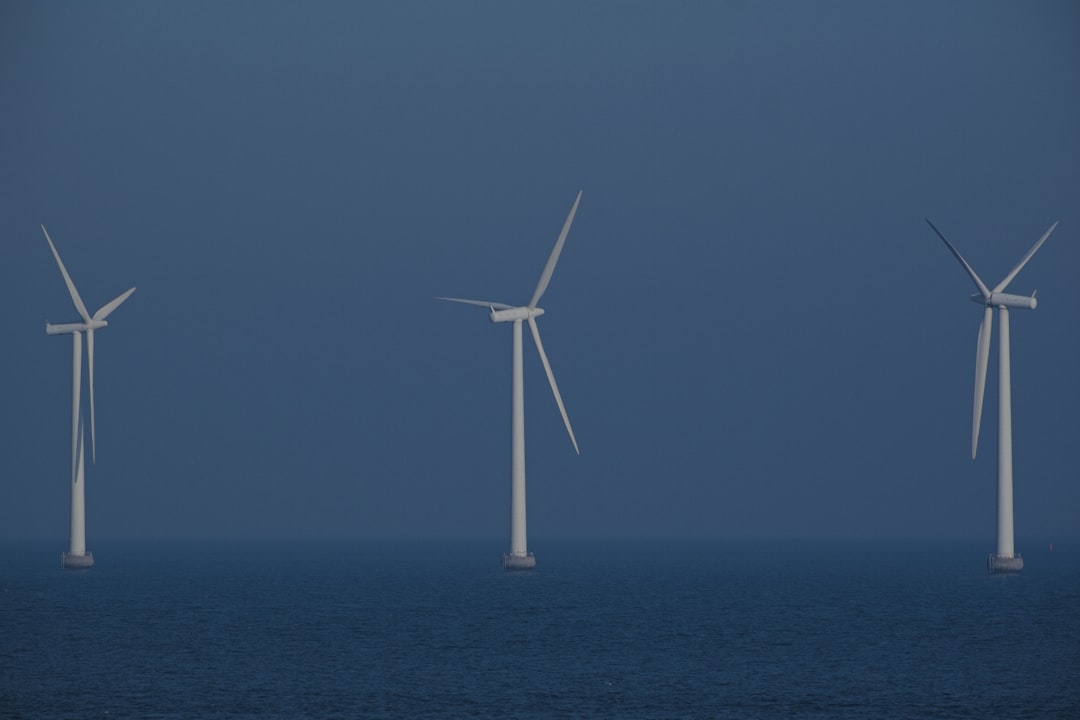
Providence, Rhode Island — The Trump administration has once again paused the development of six gigawatts of offshore wind leases. This decision comes shortly after a federal judge struck down a previous executive order that blocked offshore wind projects. The administration cites emerging national security risks as the main reason for this latest halt. This news is crucial for stakeholders, especially in states like Rhode Island and Massachusetts, where significant wind projects are in the pipeline.
The affected projects include Revolution Wind, Coastal Virginia Offshore Wind, and Vineyard Wind, among others. Together, these projects represent a substantial capacity for renewable energy generation along the Eastern seaboard. The Department of the Interior, led by Secretary Doug Burgum, claims that the proximity of these wind farms to densely populated areas raises concerns over radar interference and potential vulnerabilities.
In a statement, Secretary Burgum emphasized the urgency of addressing these national security concerns. “Today’s action addresses emerging national security risks, including the rapid evolution of the relevant adversary technologies,” he stated. This pause in development could have significant implications for the renewable energy sector, especially as the U.S. aims to transition to cleaner energy sources.
Impact on Major Wind Projects in the U.S.
The pause affects several major offshore wind projects, including Revolution Wind in Rhode Island and Connecticut, and Vineyard Wind in Massachusetts. These projects have been in development for years and are seen as critical to meeting renewable energy goals. For instance, Vineyard Wind is expected to provide power to over 400,000 homes. The halt poses a challenge to both the developers and the states that rely on these projects for energy and economic growth.
According to the Department of Energy, the U.S. has made significant progress in offshore wind capacity, with over 30 gigawatts planned or under construction. However, this recent decision raises questions about the future of these initiatives. The government has not provided a clear timeline for when the leases might be resumed, which adds uncertainty for investors and stakeholders.
These projects have been in development for years and are seen as critical to meeting renewable energy goals.
 Government & Policy
Cornell Prevails in DEI Hiring Lawsuit After Judge’s Finding
The judge resolved the case on the plaintiff’s plans, leaving DEI-based discrimination arguments unaddressed.
Read More →Experts have been vocal about the implications of this decision. Nicholas O’Donoughue, a senior engineer at the Rand Corporation, explained that the motion of wind turbines can create complex radar signatures that challenge detection systems. However, he also noted that there are existing strategies to mitigate these issues. Adaptive processing algorithms, for example, can help filter out interference from wind farms.
Despite the challenges, many in the renewable energy sector believe that solutions exist to address radar interference. The Department of Energy has previously published reports outlining potential mitigation strategies, suggesting that collaboration between federal agencies and developers could alleviate concerns. However, the Trump administration’s latest decision seems to overlook these ongoing efforts.
This pause comes at a time when the U.S. is striving to enhance its renewable energy portfolio. The Biden administration had previously set ambitious goals for offshore wind development, aiming for 30 gigawatts by 2030. The recent actions by the Trump administration stand in stark contrast to these objectives, potentially stalling progress in the sector.
What This Means for Renewable Energy Careers
The implications of this decision extend beyond just the projects themselves; they also affect careers in the renewable energy sector. For professionals in the industry, particularly those focused on offshore wind, this halt could lead to uncertainty in job stability and project timelines. Entry-level workers and mid-career professionals alike may find themselves facing delays in hiring and project launches.
Moreover, regions that have invested heavily in wind energy infrastructure could see economic repercussions. States like Rhode Island and Massachusetts, which have positioned themselves as leaders in renewable energy, might struggle to maintain their momentum. This could affect job creation in related fields, such as engineering, construction, and environmental science.
 News
NewsIIM Calcutta Records 100% Summer Placements, Record Stipend
Consulting led recruiting with 220 offers; the placement season ended ahead of schedule during Cluster 3.
Read More →As the industry grapples with these challenges, professionals may need to adapt to a changing landscape. Skills in project management, regulatory compliance, and technical expertise will be crucial for navigating the uncertainties ahead. Networking within the industry will also be essential for staying informed about potential job opportunities and emerging trends.
Entry-level workers and mid-career professionals alike may find themselves facing delays in hiring and project launches.
Steps to Position Yourself in the Renewable Energy Sector
- Upskill in Radar Technology: Understanding radar interference and mitigation techniques can enhance your value in the wind energy sector. Look for courses or certifications in radar technology and its applications in renewable energy.
- Network with Industry Experts: Attend conferences and workshops focused on offshore wind energy. Building connections with professionals can provide insights into upcoming projects and job opportunities.
- Stay Informed on Policy Changes: Regularly follow news related to renewable energy policies and regulations. Understanding the political landscape will help you anticipate changes that could impact your career.
- Explore Alternative Energy Roles: Consider diversifying your skills by exploring roles in other renewable sectors, such as solar or hydropower, to broaden your career options amidst uncertainty in offshore wind.
However, some experts caution that the Trump administration’s focus on national security may be a smokescreen for broader anti-renewable energy sentiments. Critics argue that this decision could hinder the U.S.’s ability to meet its climate goals and transition to a more sustainable energy future. They emphasize the need for a balanced approach that considers both security and environmental priorities.
The Future of Offshore Wind Development
The future of offshore wind development in the U.S. remains uncertain following this latest halt. As the Biden administration continues to push for renewable energy growth, the conflicting policies from the Trump administration could create significant barriers. Stakeholders will need to navigate these challenges carefully to ensure that progress is not permanently stalled.
As the landscape evolves, one critical question remains: How will the U.S. reconcile national security concerns with the urgent need for renewable energy expansion? The answer could shape the future of energy policy and career opportunities in the sector.
Written by Career Ahead AI. AI can make mistakes, so verify key facts. Report errors to support@careeraheadonline.com.