No products in the cart.

Trump Administration’s Antisemitism Case Against Harvard Dismissed

A federal judge dismissed the Trump administration's antisemitism case against Harvard University, highlighting the complexities of free speech and university responsibilities. This ruling has significant implications for how institutions navigate hate speech and student safety.

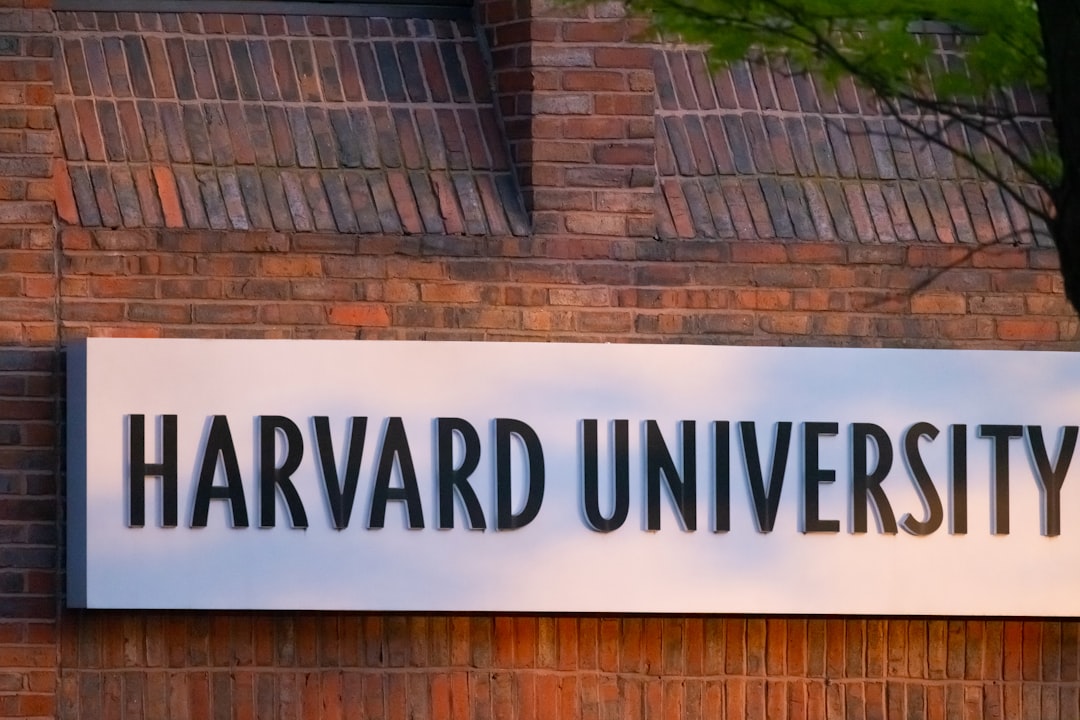
A federal judge dismissed the Trump administration‘s antisemitism case against Harvard University on August 13, 2026. The case claimed that Harvard failed to protect Jewish students from antisemitic harassment. This ruling is significant as it sets a precedent for how universities handle hate speech and free speech on campus.
The dismissal has immediate effects on universities across the United States, underscoring the legal complexities surrounding free speech and the responsibilities institutions have to protect their students. As universities face these challenges, the balance between free speech and student safety remains a contentious issue. The ruling, reported by The Hill, reflects growing concern over how schools interpret and enforce policies on hate speech amid increasing societal polarization.
Legal Precedents Shaping University Policies
The judge’s ruling emphasizes the role of legal precedents in shaping university policies regarding hate speech and free speech. Experts suggest that this dismissal could influence how similar cases are managed in the future. Universities may feel more confident in their current policies, which often prioritize free speech protections, even in cases of alleged hate speech.
Legal analysts believe the outcome of this case may lead to a more lenient interpretation of free speech on campuses. The ruling indicates that universities are not legally obligated to act in every instance of alleged harassment unless specific laws are violated. This could encourage institutions to adopt policies that favor free speech over regulating speech deemed hateful or offensive. As noted by Yahoo News, this ruling may empower universities to resist external pressures to adopt stricter speech policies, thus promoting a culture of open dialogue.
Furthermore, the ruling may prompt universities to reevaluate their definitions of hate speech and how they enforce related policies. As institutions strive to create inclusive environments, they must balance protecting free expression with addressing harmful speech. This balancing act will likely become increasingly important following this ruling. The Guardian pointed out that the case’s dismissal serves as a critical reminder of the complexities surrounding free speech, particularly in academic settings with diverse viewpoints.
Funding and Reputation Considerations The dismissal of the antisemitism case has broader implications for the funding and reputation of higher education institutions.
Funding and Reputation Considerations
The dismissal of the antisemitism case has broader implications for the funding and reputation of higher education institutions. Universities often rely on public perception and donor support for financial stability. As the debate over free speech and hate speech intensifies, institutions may face increased scrutiny regarding their policies.
Research indicates that universities perceived as hostile to free speech may experience a decline in donations and funding. Donors and alumni typically favor institutions that uphold free expression. Therefore, universities must consider how their policies are viewed by the public and their stakeholders. The fallout from this ruling could lead to a reevaluation of funding strategies as institutions seek to align their values with those of their supporters.
Moreover, the ruling may influence prospective students’ choices when selecting universities. Many students today prioritize campus culture and how institutions protect free speech. A university’s reputation for handling hate speech allegations can significantly impact its appeal to potential students. As highlighted by The Guardian, the implications of this ruling extend beyond legal consequences, affecting how universities position themselves in a competitive educational landscape.
Engaging with Community Values
In this context, universities must actively communicate their commitment to free speech while addressing concerns about hate speech. Transparency in policy-making and the reasoning behind specific decisions will be vital for maintaining trust with current and prospective students, as well as the broader community. The ongoing dialogue about free speech and hate speech will likely shape the future of higher education, urging institutions to engage more with their communities about the values they uphold.
As the landscape of higher education evolves, institutions must adapt to shifts in public sentiment and legal interpretations. The dismissal of this case marks a pivotal moment for universities, prompting them to reassess their policies and practices in light of ongoing debates about free speech and hate speech.
The ongoing dialogue about free speech and hate speech will likely shape the future of higher education, urging institutions to engage more with their communities about the values they uphold.
Ultimately, the implications of this ruling extend beyond the courtroom. As universities work to create inclusive environments while supporting free speech, the balance they strike will have lasting effects on their communities and the students they serve.
Frequently Asked Questions
What legal precedents were set by the Harvard antisemitism case?
The dismissal of the case establishes that universities are not legally required to intervene in every instance of alleged hate speech unless specific laws are violated. This sets a precedent for how similar cases may be handled in the future.
How should universities adjust their policies following this ruling?
Universities should consider revisiting their definitions of hate speech and how they enforce related policies. This includes ensuring that their policies comply with legal standards while addressing the diverse needs of their student bodies.
What are the potential impacts of this case on university funding and reputation?
Universities perceived as hostile to free speech may face a decline in donations and funding. The ruling highlights the importance of maintaining a positive public perception to attract prospective students and donors.
Related Articles
Written by Career Ahead AI. AI can make mistakes, so verify key facts. Report errors to support@careeraheadonline.com.