No products in the cart.

Trump Adviser Confident in US Capacity to Meet AI’s Energy Needs

Michael Kratsios, Trump's chief tech adviser, asserts the US can meet AI's energy demands, crucial for its data centers and future innovations.

Washington, D.C. — At the World Economic Forum in Davos, Michael Kratsios, the chief technology and science adviser under former President Trump, expressed confidence that the United States is well-positioned to meet the energy demands of artificial intelligence (AI). As AI technologies rapidly evolve, the requirement for substantial energy to power data centers and computational tasks is becoming increasingly critical. Kratsios stated that the US has the necessary resources and infrastructure to support this burgeoning sector.
This statement comes at a pivotal time when AI is not just a trend but a fundamental part of many industries, including healthcare, finance, and transportation. The growing reliance on AI systems has raised concerns about the sustainability of energy consumption, especially as data centers require vast amounts of electricity to function efficiently. Kratsios emphasized that the US is uniquely equipped to address these demands through a combination of innovation and existing energy resources.
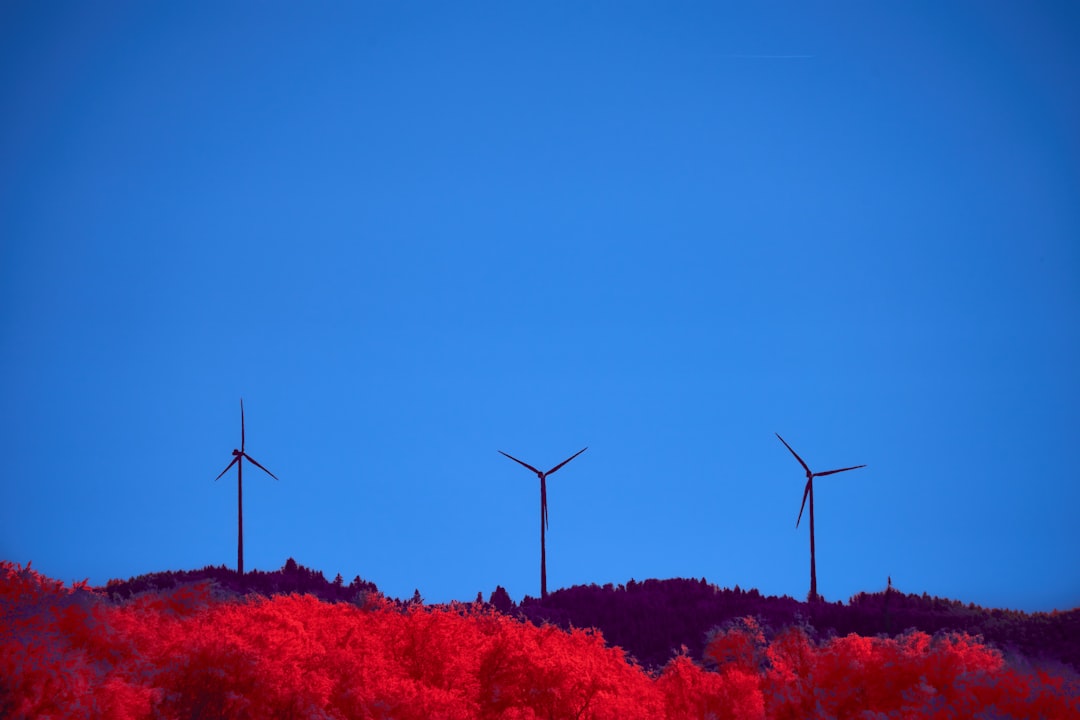
Kratsios highlighted the US’s advances in renewable energy technologies, including solar and wind power, which he believes will play a significant role in meeting the energy needs of AI. He pointed out that the shift towards greener energy sources not only supports environmental goals but also ensures that AI development can continue without compromising energy sustainability.
The US’s Energy Strategy for AI Development
The discussion around energy demands for AI is not merely theoretical. According to recent estimates, data centers worldwide consume about 1% of global electricity, a figure that is expected to rise significantly as AI applications become more prevalent. Kratsios outlined a strategic vision for the US, which includes enhancing energy efficiency in data centers and investing in next-generation energy technologies.
He noted that companies are increasingly looking for sustainable solutions to power their operations. This trend is not only driven by regulatory pressures but also by consumer demand for environmentally responsible practices. As AI firms seek to expand, they will need to ensure that their energy consumption aligns with sustainability goals. This presents a significant opportunity for the US to lead in both AI and renewable energy sectors.
Initiatives aimed at reducing carbon emissions and increasing energy efficiency are crucial for creating a conducive environment for AI growth.
Moreover, Kratsios pointed out that the US government is actively working on policies that promote innovation in energy technologies. Initiatives aimed at reducing carbon emissions and increasing energy efficiency are crucial for creating a conducive environment for AI growth. By fostering collaboration between the tech industry and energy sector, the US can create a robust framework to support AI’s energy needs.
Implications for AI Companies and Professionals
You may also like
 AI & Technology
Beam Unveils Affordable AI Model to Disrupt Competitors
Reflection AI's Beam model, launched on October 5, 2026, is set to disrupt the AI market by offering a cost-efficient alternative to leading Chinese models.…
Read More →The implications of Kratsios’s statements extend beyond government policy. For professionals in the AI sector, understanding the energy landscape is becoming increasingly important. As companies strive to balance innovation with sustainability, there are several key areas to consider.
First, AI professionals should stay informed about advancements in energy-efficient technologies. Knowledge of how to optimize AI algorithms to reduce energy consumption can be a valuable asset. Companies may prioritize candidates who can demonstrate a commitment to sustainability through their work.
Second, there is a growing demand for roles that bridge the gap between technology and energy. Professionals who can navigate both fields will be in high demand. This could include roles focused on energy management within tech companies or positions in renewable energy firms that specialize in powering AI operations.
Finally, networking within both the tech and renewable energy sectors can provide valuable insights and opportunities. Engaging with industry leaders and participating in relevant forums can help professionals stay ahead of trends and position themselves as leaders in this evolving landscape.
First, AI professionals should stay informed about advancements in energy-efficient technologies.
However, experts warn that while optimism is warranted, the transition to a sustainable energy model for AI might not be straightforward. A recent report by the International Energy Agency indicates that the current pace of renewable energy adoption may not keep up with the skyrocketing demand from AI technologies. This could lead to energy shortages if not addressed promptly.
Preparing for the Future of AI and Energy
As the conversation around AI and energy continues to evolve, it is essential for both companies and professionals to prepare for the future. The intersection of these two fields presents numerous challenges and opportunities. Companies must remain agile and responsive to changing energy landscapes while also pushing the boundaries of AI innovation.
For professionals, this means continuously upskilling and adapting to new technologies. The ability to integrate energy-efficient practices into AI development will be a critical differentiator in the job market. As the demand for AI solutions grows, so will the need for professionals who can ensure these solutions are sustainable.
You may also like
 AI & Technology
A.I. Boom Defies High Interest Rates, Challenges Fed
In the last quarter, AI startups attracted over $10 billion in venture capital, a figure that highlights the ongoing investor interest despite economic headwinds.
Read More →In conclusion, the US’s ability to meet the energy demands of AI will significantly impact the future of technology and innovation. As we look ahead, how will the balance between energy consumption and technological advancement shape the landscape of AI development?