No products in the cart.

Tyson Beef Plant Closures Hit Grocery Prices, Jobs
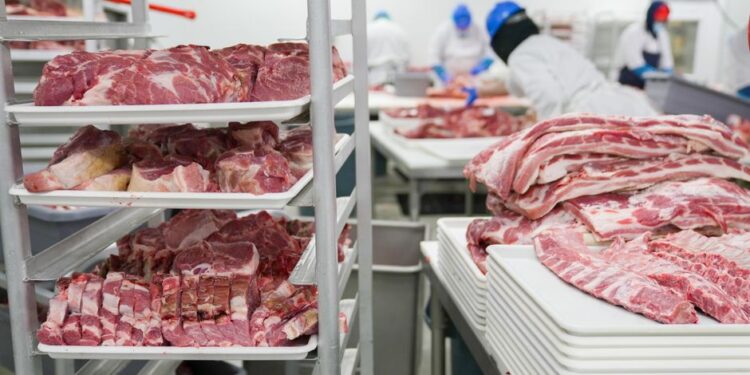
Tyson Foods' closure of two beef plants in the US raises concerns over grocery prices and job security for meat production workers amid a cattle shortage, signaling a significant shift in the meat industry.

Tyson Foods, the largest meatpacking company in the United States, announced on August 21, 2026, the closure of two beef plants located in Illinois and Utah. This decision is a response to a historic cattle shortage that has significantly impacted beef production volumes. As a result, Tyson’s actions are expected to lead to hundreds of layoffs and raise concerns about grocery prices and the overall meat supply chain.
The closures are primarily attributed to a multi-year drought and rising costs that have severely affected cattle ranchers. Tyson’s recent earnings report revealed a 15.9% decline in beef volume, alongside an operating loss of $138 million in the beef sector. This context is crucial for understanding the implications for both meat production workers and grocery store managers.
Job Security Challenges for Meat Production Workers
The closure of Tyson’s plants raises immediate job security concerns for meat production workers. Hundreds of employees will need to seek new employment in a competitive job market. The National Cattlemen’s Beef Association has expressed disappointment over the closures, noting that such decisions can disrupt the industry and deter cattle producers from expanding their operations.
As the meat production workforce adapts to these changes, workers may face fewer job opportunities due to reduced processing capacity. This situation could lead to increased competition for remaining positions, particularly in regions heavily reliant on meatpacking jobs. Moreover, the economic pressures on cattle ranchers, combined with Tyson’s plant closures, may result in a long-term reduction in processing capacity.
If this trend continues, workers might need to transition to alternative roles or different sectors. The implications for job training and reskilling initiatives will be significant as the industry evolves. As the meatpacking sector undergoes these changes, workers must stay informed about industry trends and potential opportunities in related fields to secure their livelihoods.
If this trend continues, workers might need to transition to alternative roles or different sectors.
Anticipated Price Increases for Consumers
You may also like
 Industry & Global Trends
BT Expands Reach with TalkTalk Acquisition
The acquisition is seen as a strategic necessity for BT, allowing it to consolidate its position in a market that has seen increasing pressure from…
Read More →With Tyson shutting down its beef plants, grocery store managers are bracing for potential price increases in meat products. The closures come at a time when beef prices are already on the rise due to a significant cattle shortage, with prices having increased by approximately 9% over the past year. This rise is driven by supply constraints and growing consumer demand for beef, which has outpaced price changes for other meats such as pork and chicken.
While the immediate impact of Tyson’s closures on consumer prices may be limited, reduced processing capacity could lead to higher costs over time. With fewer plants processing beef, transportation costs may rise as cattle are transported further to reach processing facilities, ultimately affecting grocery prices nationwide.
The economic landscape is complex, characterized by a “K-shaped economy” where higher-income households can maintain beef consumption despite rising prices. This disparity poses challenges for grocery store managers as they navigate pricing strategies for a diverse customer base. In response, grocery store managers may need to rethink their pricing strategies, potentially implementing dynamic pricing models that adjust based on supply and demand. This approach could help mitigate the impact of rising costs on consumers while ensuring store profitability.
Broader Implications for the Meat Supply Chain
The closure of Tyson’s facilities signals a broader trend in the meat supply chain that could reshape the industry. As the company adjusts its operations in response to the cattle shortage, the implications extend beyond job losses and grocery prices. Reduced processing capacity may lead to long-term changes in how meat is produced and distributed in the United States.
Broader Implications for the Meat Supply Chain The closure of Tyson’s facilities signals a broader trend in the meat supply chain that could reshape the industry.
Experts suggest that consolidating meatpacking facilities could result in fewer options for cattle producers and increased market concentration. As Tyson and other major players streamline operations, smaller producers may struggle to compete, impacting the overall diversity of the meat supply chain and increasing market vulnerability during crises.
You may also like
 Industry & Global Trends
Mergers Reshape Automation Careers at Schneider Electric
Schneider Electric's aggressive investments in automation are reshaping the industry landscape in Europe. This shift is set to create significant job opportunities for automation engineers…
Read More →These shifts may also affect consumer choices in the long run. With fewer processing facilities, there may be less variety of beef products available in grocery stores, limiting options for consumers. Additionally, beef quality could decline as producers prioritize efficiency over diversity.
As the industry faces these changes, policymakers may need to consider strategies to support both workers and producers in the meat supply chain. Ensuring adequate support for reskilling workers and promoting fair competition among producers will be essential for maintaining a balanced market.
Frequently Asked Questions
What should meat production workers do if their plant closes?
Meat production workers facing plant closures should seek new jobs in related sectors and explore reskilling options to adapt to changing industry dynamics.
Meat production workers facing plant closures should seek new jobs in related sectors and explore reskilling options to adapt to changing industry dynamics.
How can grocery store managers adjust pricing strategies in response to rising meat costs?
Grocery store managers can implement dynamic pricing models that adjust based on supply and demand, helping to reduce the impact of rising costs on consumers while ensuring store profitability.
What are the long-term implications of Tyson’s shutdown for the meat supply chain?
The long-term implications may include reduced processing capacity and increased market concentration, which could limit consumer choices and impact the overall diversity of the meat supply chain.
You may also like
 Industry & Global Trends
Sensex Surges 473 Points as Softer US Jobs Data Boosts Indian Market
The Indian stock market experienced a notable boost as the Sensex surged by 473 points and the Nifty gained 134 points, driven by softer-than-expected US…
Read More →