
Springfield, USA — Tyson Foods is bracing for a significant financial hit this year. The company has announced that its beef division could face losses of up to $500 million. This comes as cattle prices soar to a 75-year high, creating a challenging environment for meat processors.
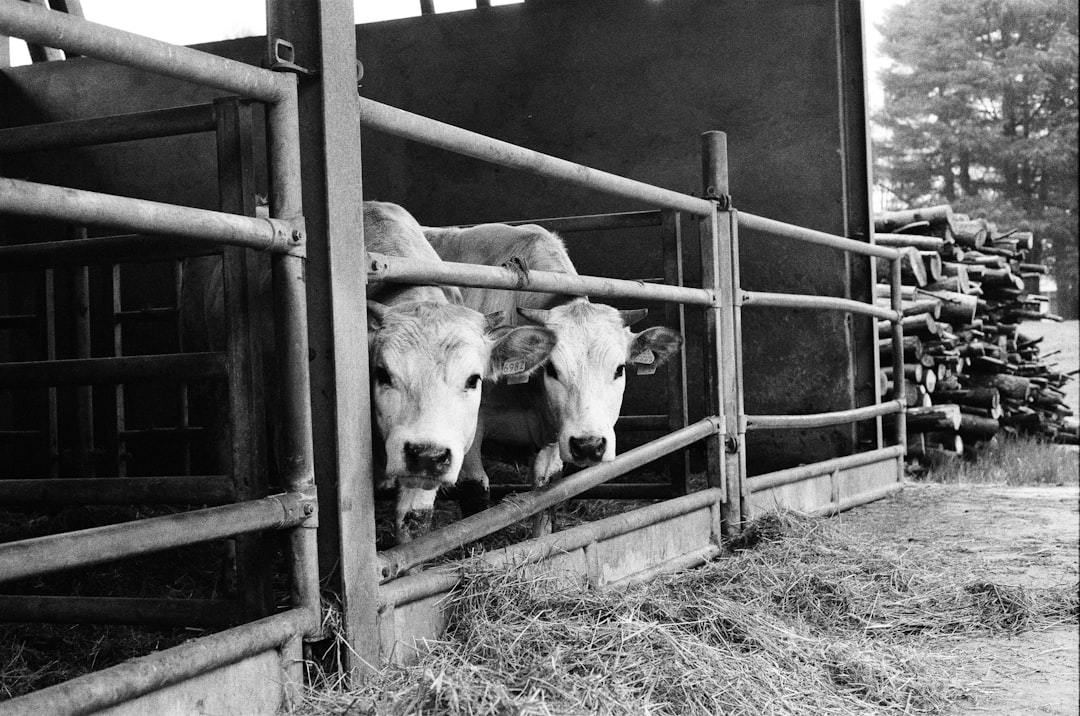
High cattle prices are primarily driven by a supply crunch. Recent reports indicate that the supply of cattle has reached a historic low. According to the U.S. Department of Agriculture, the cattle herd is at its smallest size since 1951. This shortage is largely due to drought conditions affecting grazing lands, which have forced many ranchers to reduce their herds.
Tyson Foods, one of the largest meat processors in the world, is particularly affected by these rising costs. The company’s beef business relies heavily on the availability of cattle. With prices climbing, Tyson is facing increased production costs that can’t be passed on to consumers without risking a drop in demand.
Why Tyson Foods Is Struggling with High Cattle Prices
Tyson Foods’ challenges stem from multiple factors impacting the cattle market. First, the ongoing drought has reduced the amount of forage available for cattle, leading to higher feed costs. According to a report from the National Cattlemen’s Beef Association, feed costs have increased significantly, which directly impacts ranchers’ profitability.
Moreover, consumer demand for beef remains strong, which means that even with rising prices, Tyson must balance its pricing strategy carefully.
Additionally, the COVID-19 pandemic has disrupted supply chains, causing delays and inefficiencies in meat processing. Tyson Foods has had to navigate these challenges while also facing labor shortages. These issues have compounded the effects of high cattle prices, making it difficult for the company to maintain its margins.
Moreover, consumer demand for beef remains strong, which means that even with rising prices, Tyson must balance its pricing strategy carefully. If they raise prices too much, they risk losing customers to competitors. This precarious position highlights the delicate balance Tyson must maintain in the current market.
How High Cattle Prices Impact Tyson Foods’ Operations
 Government & Policy
UK Chancellor Healey Faces Budget Test Amid Economic Pressures
UK growth has beaten forecasts, while inflation and defence costs add pressure to public spending plans.
Read More →As Tyson Foods grapples with these high cattle prices, the company’s operations will likely be affected in several ways. First, the anticipated $500 million loss could lead to cost-cutting measures. These may include reducing workforce hours or scaling back production in certain areas. Such actions could have ripple effects throughout the supply chain, impacting not just Tyson but also local ranchers and suppliers.
Data from the U.S. Bureau of Labor Statistics shows that rising food prices can lead to increased inflation rates. As Tyson raises prices to cope with higher cattle costs, consumers may feel the pinch at grocery stores. This could lead to a shift in consumer behavior, where shoppers opt for cheaper alternatives or reduce their overall meat consumption.
Furthermore, Tyson’s financial struggles could lead to broader implications for the meat processing industry. Other companies may face similar challenges, leading to a potential consolidation in the market. Smaller processors may find it difficult to compete with larger companies like Tyson that have more resources to weather these storms.
Positioning for Future Opportunities in the Meat Industry
For individuals and businesses in the meat industry, there are actionable steps to consider in light of Tyson Foods’ challenges. Here are a few strategies to navigate this volatile landscape:
Positioning for Future Opportunities in the Meat Industry For individuals and businesses in the meat industry, there are actionable steps to consider in light of Tyson Foods’ challenges.
- Monitor Supply Chain Dynamics: Stay informed about cattle supply and pricing trends. Understanding market fluctuations can help businesses make informed decisions about pricing and inventory management.
- Invest in Technology: Consider adopting new technologies that enhance processing efficiency. Automation and data analytics can help streamline operations and reduce costs in the long run.
- Diversify Offerings: Explore opportunities to diversify product lines. Offering alternative protein sources or value-added products can attract a wider customer base and mitigate risks associated with price fluctuations.
However, some experts caution that the current high prices may not be sustainable. A recent report from the Food and Agriculture Organization suggests that while prices are high now, they may stabilize as supply chains recover post-pandemic. This could lead to a decrease in profitability for processors like Tyson Foods in the near future.
The Future of Tyson Foods in a Changing Market
Looking ahead, Tyson Foods will need to adapt to the evolving market conditions. The high cattle prices may force the company to rethink its strategies for sourcing and processing meat. Innovations in supply chain management and new product development could play crucial roles in ensuring long-term viability.
 Government & Policy
McDonald’s Faces Lawsuit Over AI Pricing Tool
McDonald’s is facing a federal lawsuit alleging that its AI pricing tool leads to illegal price-fixing among franchise owners, raising concerns about competition and consumer…
Read More →As consumer preferences shift and the market continues to change, Tyson must remain agile. Companies that can quickly adapt to new challenges will likely thrive in this competitive landscape. The question remains: how will Tyson Foods navigate these turbulent waters while maintaining its position as a leader in the meat processing industry?
Written by Career Ahead AI. AI can make mistakes, so verify key facts. Report errors to support@careeraheadonline.com.