No products in the cart.

U.S. Hotel Industry Faces Unprecedented Challenges in 2025
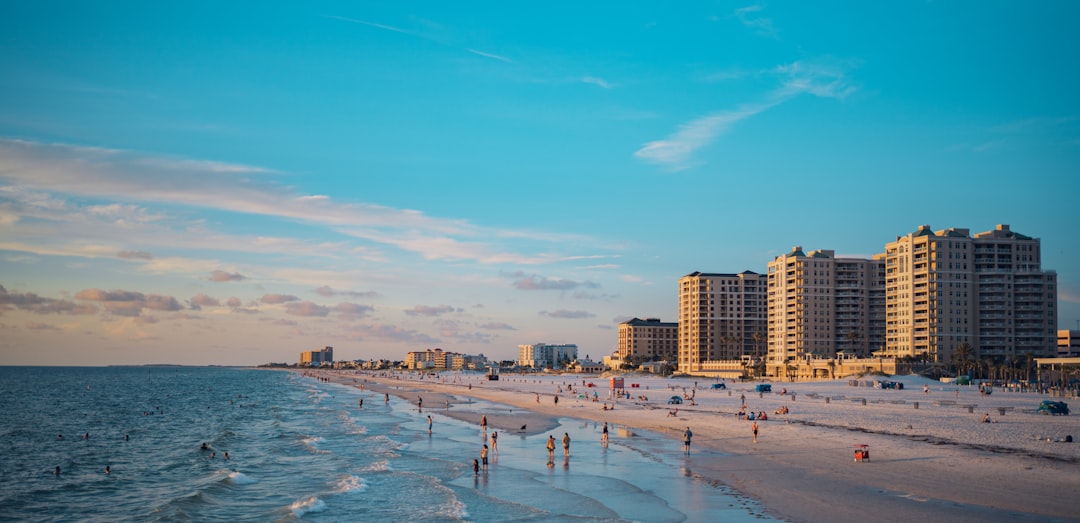
The U.S. hotel industry is poised for a rare decline in 2025, facing significant challenges as RevPAR and occupancy rates drop amid economic pressures.

New York, United States — The U.S. hotel industry is bracing for an unusual contraction in 2025, with revenue per available room (RevPAR) projected to decline and occupancy rates slipping under the weight of persistent economic challenges. Following a robust recovery from the COVID-19 pandemic, which saw the sector rebound with an annual RevPAR increase of 43% in 2022, the upcoming year signals a stark shift.
According to the American Hotel and Lodging Association (AHLA), a combination of high inflation, rising interest rates, and global uncertainties are poised to impact travelers’ spending and, consequently, hotel revenues. The AHLA forecasts a RevPAR decrease of 5% in 2025, along with an occupancy rate drop from 65% to 61%[1].

This downturn is significant; it marks the first decline in RevPAR since 2009. The hospitality sector, which employs over 16 million people in the U.S., will feel the ripple effects of this shift. As hotels navigate these challenges, understanding the underlying dynamics is crucial for stakeholders across the industry.
 AI
AIAI in Education: ChatGPT’s New Tool for Indian College Students
ChatGPT's latest tool for Indian college students harnesses AI to enhance learning and upskilling. Discover its implications for education.
Read More →The current economic landscape is shaped by several factors. Inflation remains stubbornly high, with the Consumer Price Index rising by over 6% year-over-year as of September 2025, affecting discretionary spending[2]. Simultaneously, the Federal Reserve’s aggressive interest rate hikes—12 increases since March 2022—have further strained consumer budgets and dampened travel plans[3].
As hotels navigate these challenges, understanding the underlying dynamics is crucial for stakeholders across the industry.
International travel, a vital component of U.S. hotel revenues, is also facing headwinds. Geopolitical tensions, particularly in Eastern Europe and the Asia-Pacific region, have led to increased uncertainty among travelers. The World Travel & Tourism Council estimates that international arrivals to the U.S. will only recover to 90% of pre-pandemic levels by 2026, delaying the anticipated influx of foreign visitors that many hotels rely on for revenue[4].
Industry experts express concern about the implications of these trends. “This is the first time in over a decade that we are seeing a contraction in our industry,” says Chip Rogers, President and CEO of AHLA. “It’s a wake-up call for hotel owners and operators to adapt to a new economic reality,” he adds. The focus, he suggests, should now shift towards enhancing operational efficiencies and diversifying revenue streams to mitigate risks.
Some hotel chains are already taking proactive steps. Marriott International, for instance, has embarked on a cost-reduction strategy, aiming to cut operating expenses by 10% in the coming year. Meanwhile, Hilton is investing in technology to streamline operations, from contactless check-in to AI-driven customer service enhancements, which could improve guest experiences and operational efficiency.
 AI
AIEmerging AI Skills Gap: Insights from the Lab of the Future Survey
The Lab of the Future Survey highlights a growing AI skills gap, emphasizing urgent changes needed in education and workforce…
Read More →Moreover, the labor market remains another pressing concern. The hospitality sector has struggled to attract and retain staff post-pandemic, with job openings in lodging remaining 11% above pre-pandemic levels, according to the Bureau of Labor Statistics. The pressure on wages has increased as well, with average hourly earnings in the hospitality sector rising by nearly 5% in the last year[5]. As hotels grapple with staffing shortages, they may need to rethink their recruitment strategies and consider offering more competitive benefits.
Looking ahead, the outlook for the U.S. hotel industry may depend significantly on external economic factors. Should inflation stabilize and consumer confidence rebound, there is potential for a gradual recovery. However, if economic pressures persist, hotels may need to brace for a prolonged period of adjustment.
As hotels grapple with staffing shortages, they may need to rethink their recruitment strategies and consider offering more competitive benefits.
The ongoing evolution of consumer preferences also plays a crucial role. With a growing emphasis on sustainable travel, hotels are increasingly expected to adopt environmentally friendly practices. Those that can successfully integrate sustainability into their business models may find new opportunities for differentiation and growth, potentially attracting a new generation of eco-conscious travelers.
 Career Development
The Surge of Angel Investing in India: 100 Influential New Players
Discover the impact of 100 new angel investors on India's startup landscape and what it means for the future of…
Read More →As the U.S. hotel industry prepares for the challenges of 2025, adaptability will be essential. Industry leaders must not only respond to immediate economic pressures but also anticipate longer-term shifts in consumer behavior and market dynamics. The landscape may be changing, but with innovation and strategic foresight, the hospitality sector can navigate these turbulent waters.