No products in the cart.

U.S. Schools Confront Enrollment Crisis Amid Declining Birth Rates

U.S. schools are grappling with a sharp decline in student enrollment caused by falling birth rates. This trend poses serious challenges for educational institutions and the future workforce.

Enrollment Decline Hits U.S. Schools Hard
U.S. schools are facing a significant crisis as the number of children continues to drop. Recent data shows that many school districts are struggling with unfilled classrooms and potential closures. According to a report published today, the birth rate in the U.S. has reached its lowest level in decades, directly impacting school enrollments across the country.
This trend is not just a statistic; it translates into real challenges for educational institutions. Schools are forced to make tough decisions about resources and staffing. With fewer students, funding from state and federal sources may decline, leading to further cuts in programs and staff.
In some districts, the situation has become dire. Administrators are contemplating school closures, which could disrupt communities and educational continuity. The impact of these closures could resonate for years, affecting not just current students but future generations as well.
Why This Matters Now
The implications of declining enrollment are profound. As schools grapple with fewer students, the quality of education may suffer. Teachers may face increased workloads, and class sizes could grow, leading to less individualized attention for students.
Moreover, the shrinking student population poses risks to the diversity and vibrancy of school communities. Schools thrive on a mix of backgrounds and experiences, which enrich the educational environment. A decline in students can lead to a less dynamic atmosphere, impacting student engagement and learning outcomes.
According to unicef.org, the global education crisis exacerbates these local challenges. As children face disruptions in learning, the long-term effects could hinder their future opportunities. The U.S. is not alone; countries around the world are witnessing similar trends, raising alarms about the future of education.
A decline in students can lead to a less dynamic atmosphere, impacting student engagement and learning outcomes.
Historical Context of Enrollment Trends
You may also like
 Industry & Global Trends
Cygni Energy, Indus Towers Unite for Telecom Energy Storage
Cygni Energy and Indus Towers have signed a Memorandum of Understanding to develop energy storage solutions for telecom infrastructure, marking a significant step towards sustainability…
Read More →Understanding the current crisis requires a look back at historical enrollment trends. Over the past few decades, U.S. birth rates have fluctuated, influenced by economic conditions, societal shifts, and public policy. The post-recession era saw a temporary spike in birth rates, but that trend has since reversed.
Several factors contribute to this decline, including economic uncertainty and changing family dynamics. Many young couples are delaying having children, often due to financial pressures or career considerations. This shift has led to fewer children entering the school system, creating a ripple effect on educational institutions.
Additionally, the COVID-19 pandemic has further complicated these trends. Many families opted for homeschooling or alternative education models, leading to a drop in traditional school enrollments. This change has raised questions about the future of public education and its ability to adapt to evolving needs.
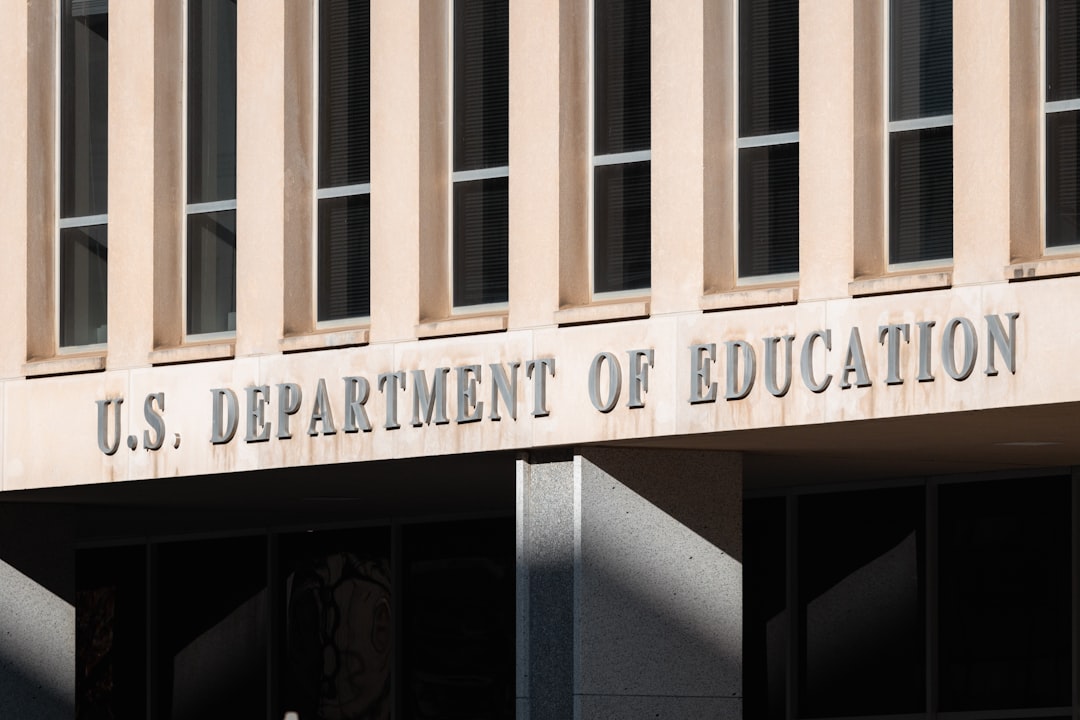
If schools cannot provide quality education due to declining enrollment and funding, the future workforce may struggle to meet the demands of a rapidly changing job market.
Wider Implications for Policy and Economy
The enrollment crisis has significant implications for both education policy and the broader economy. As schools face declining student numbers, policymakers must address the challenges that arise. Budget cuts may lead to fewer resources for students, impacting their educational experience.
Moreover, the economic implications are profound. A well-educated workforce is crucial for a thriving economy. If schools cannot provide quality education due to declining enrollment and funding, the future workforce may struggle to meet the demands of a rapidly changing job market.
According to news.un.org, global education initiatives are essential to counteract these challenges. Investing in education not only benefits individuals but strengthens communities and economies. Policymakers must prioritize educational funding to ensure that schools can adapt to current realities without sacrificing quality.
Community Responses and Adaptations
You may also like
 Industry & Global Trends
BT Expands Reach with TalkTalk Acquisition
The acquisition is seen as a strategic necessity for BT, allowing it to consolidate its position in a market that has seen increasing pressure from…
Read More →In response to the enrollment crisis, many communities are exploring innovative solutions. Some districts are merging schools to consolidate resources and maintain educational offerings. This approach can help preserve programs that might otherwise be cut due to budget constraints.
Additionally, schools are increasingly focusing on community engagement. By involving parents and local organizations, schools can create supportive environments that encourage enrollment. Community-led initiatives can also provide additional resources and opportunities for students.
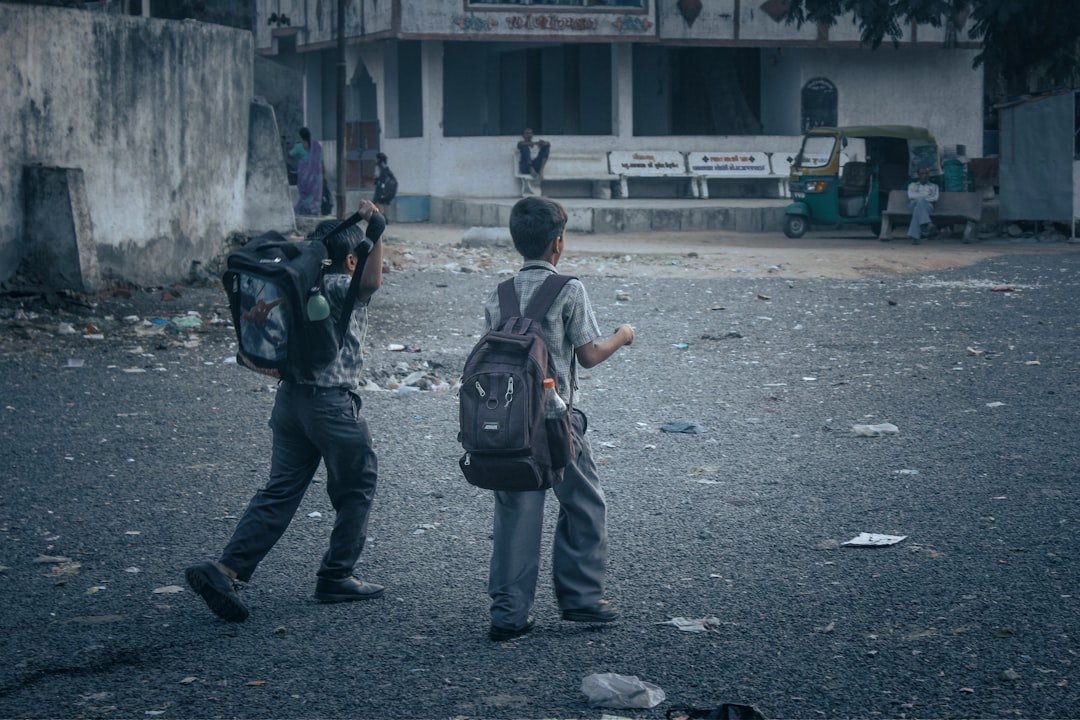
Furthermore, schools are adapting their curricula to meet the needs of a changing population. Emphasizing skills like critical thinking and adaptability prepares students for a dynamic job market. By focusing on relevant skills, schools can attract families looking for quality education in a competitive landscape.
As schools face challenges, the quality of education and future workforce readiness is at stake.
Why This Matters to You
The decline in school enrollments affects everyone, from students to educators to the broader community. As schools face challenges, the quality of education and future workforce readiness is at stake. Understanding these issues helps individuals and communities advocate for necessary changes.
Looking Ahead: What’s Next for U.S. Education?
The future of U.S. education hangs in the balance as schools navigate this enrollment crisis. Will policymakers prioritize education funding to address these challenges? As communities adapt and innovate, the question remains: how will these efforts shape the educational landscape in the coming years?
With a shrinking student population, the need for strategic planning and investment in education has never been more critical. The decisions made today will impact the next generation and the overall health of society. As we move forward, the focus must remain on creating a robust educational system that can thrive in the face of adversity.
You may also like
 Government & Policy
MSMEs Demand Action on Rising Steel and Metal Prices
Rising material costs have been a persistent issue for MSMEs, which are already grappling with higher prices for diesel, furnace oil, and LPG.
Read More →