No products in the cart.

Uber to acquire Germany's Delivery Hero in $14.8 billion deal
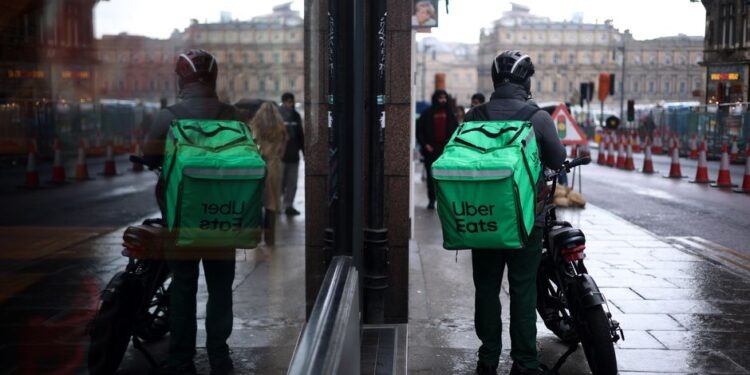
Uber's acquisition of Delivery Hero for $14.8 billion marks a significant shift in the food delivery market, expanding its reach to 50 new markets. This move is part of a broader trend of consolidation in the industry, raising questions about competition, pricing, and employment.

Uber Technologies Inc. has agreed to acquire Delivery Hero SE in a deal valued at $14.8 billion. This acquisition will significantly expand Uber’s presence in the food delivery sector, allowing it to operate in 50 new markets globally. The deal was announced on July 16, 2026, and is set to reshape the competitive landscape of the food delivery market.
The acquisition involves Uber paying €41.50 ($47.60) per share for Delivery Hero, acquiring the majority of its global operations. This strategic move comes as the food delivery market continues to consolidate, with Uber seeking to strengthen its international footprint amid growing competition from rivals like DoorDash and Just Eat Takeaway. According to the Wall Street Journal, this acquisition is part of a broader trend where major players are consolidating to enhance their market positions and operational efficiencies.
Impact on Market Competition
The food delivery market has seen rapid consolidation in recent years, driven by the pandemic’s surge in demand. Uber’s acquisition of Delivery Hero is a clear indication of this trend. As Uber integrates Delivery Hero’s operations, the combined entity will likely dominate market share in many regions, challenging smaller players and potentially driving them out of business. This consolidation is not merely a local phenomenon; it reflects a global shift where companies are racing to capture market share in an industry that has proven resilient even in the face of economic downturns.
Career Ahead’s analysis shows that this consolidation will lead to increased market power for Uber, allowing it to negotiate better terms with restaurants and delivery partners. This could result in lower prices for consumers but may also lead to reduced service options as competition diminishes. The food delivery landscape is thus poised for significant changes as Uber leverages Delivery Hero’s established customer base and logistical networks. Moreover, the acquisition could lead to a ripple effect in the industry, prompting other companies to consider mergers or partnerships to remain competitive.
Furthermore, this acquisition positions Uber to better compete with rivals like DoorDash, which has also been expanding its reach through acquisitions. As noted by the Wall Street Journal, DoorDash’s recent acquisition of Deliveroo reflects a similar strategy aimed at increasing market share and enhancing operational efficiencies. The competition among these giants will likely intensify, leading to a more aggressive marketing landscape. This competitive pressure may also spur innovation as companies strive to differentiate their offerings in a crowded marketplace.
Career Ahead’s analysis shows that this consolidation will lead to increased market power for Uber, allowing it to negotiate better terms with restaurants and delivery partners.
You may also like
 Industry & Global Trends
Under Armour Cuts Sales View on Softer Demand Around the World
This news is particularly relevant as it highlights a broader trend affecting the athletic apparel market. Retail marketing professionals and supply chain managers are closely…
Read More →Additionally, the acquisition could spark further mergers and acquisitions within the food delivery sector. As smaller companies seek to survive in an increasingly competitive environment, we may see more strategic partnerships or buyouts, reshaping the market dynamics further. Industry analysts predict that this trend will continue, with companies looking to consolidate resources and capabilities to better serve their customers.
Uber’s acquisition will also impact pricing strategies across the sector. With increased market power, Uber may be able to set prices that undercut competitors, which could lead to a price war. Such a scenario would force smaller players to either innovate or consolidate to remain viable. This potential for price wars could ultimately benefit consumers in the short term, but it raises concerns about the long-term health of the industry and the sustainability of smaller players.
Changes in Logistics and Delivery Operations
With the acquisition of Delivery Hero, Uber will gain access to a robust logistics network that spans multiple countries. This integration will likely enhance Uber’s operational efficiencies, allowing for faster delivery times and improved customer service. As Career Ahead’s research identifies, the logistics landscape in the food delivery sector will evolve as Uber implements new technologies and strategies to streamline operations. The acquisition will enable Uber to utilize Delivery Hero’s established infrastructure, which includes advanced routing algorithms and a comprehensive network of delivery personnel.
As part of the merger, Uber may adopt Delivery Hero’s advanced logistics systems, which include optimized routing algorithms and real-time tracking capabilities. This could lead to a significant reduction in delivery times, benefiting consumers while also increasing the volume of orders that can be handled. Enhanced logistics capabilities are essential in an industry where speed and reliability are paramount, and Uber’s investment in these areas is likely to pay dividends in customer satisfaction and retention.
Moreover, the acquisition could lead to the introduction of innovative delivery methods, such as drone deliveries or autonomous vehicles, which are becoming increasingly feasible in the logistics sector. The integration of these technologies could set new standards for efficiency and speed in food delivery, further enhancing Uber’s competitive edge. As noted by various industry experts, the future of food delivery may hinge on the successful implementation of such technologies, which could revolutionize the way consumers receive their meals.
The transition to a more automated environment will require a workforce that is skilled in technology and data analytics, highlighting the need for ongoing training and development.
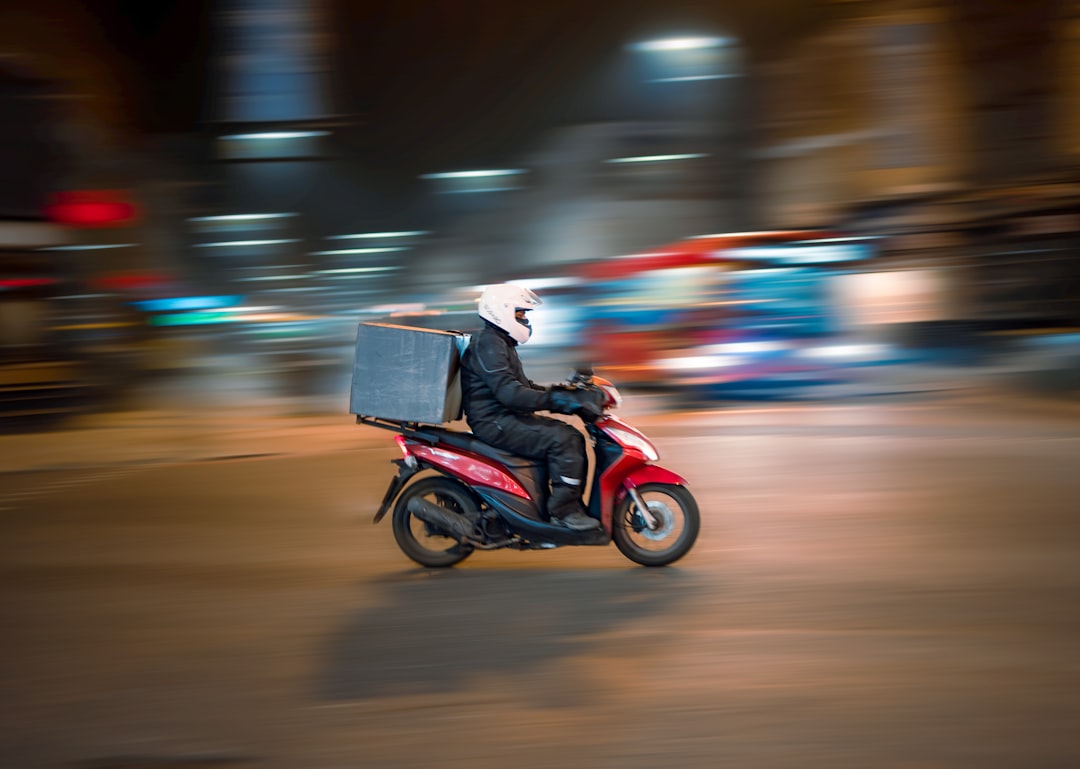
However, this shift may also lead to job displacements within the logistics sector. As Uber automates more of its delivery processes, positions that were once essential may become redundant. For logistics managers, this means adapting to a rapidly changing landscape where technology plays a central role in operations. The transition to a more automated environment will require a workforce that is skilled in technology and data analytics, highlighting the need for ongoing training and development.
You may also like
 Industry & Global Trends
AI Is Creating More Jobs Than It Cuts in India, Nomura Says
A recent report by Nomura Holdings reveals that AI technologies are creating more jobs than they are eliminating in India, highlighting a significant shift in…
Read More →The impact on employment will not be uniform. While some roles may be at risk, new opportunities will arise in areas such as data analytics, logistics management, and technology integration. Business analysts will need to adapt their skills to align with these changes, focusing on data-driven decision-making and operational efficiency. The demand for skilled professionals who can navigate the complexities of an integrated logistics system will likely increase, creating a new set of challenges and opportunities within the industry.
In summary, the acquisition of Delivery Hero by Uber will not only reshape the competitive landscape of the food delivery market but also redefine job roles within the industry. As companies adapt to these changes, the focus will shift towards leveraging technology and data to drive operational efficiencies and enhance customer experiences. The coming months will likely bring further consolidation and innovation as companies respond to the shifting dynamics brought about by this major acquisition.
Frequently Asked Questions
What are the implications of Uber acquiring Delivery Hero for business analysts?
Career Ahead analysis shows that business analysts will face increased demand as they assess the merger’s impact on market dynamics and operational efficiencies. Their insights will be essential for guiding strategic decisions in the evolving food delivery landscape.
Career Ahead analysis shows that business analysts will face increased demand as they assess the merger’s impact on market dynamics and operational efficiencies.
How will this acquisition affect logistics managers in the food delivery industry?
Logistics managers will need to adapt to integrated systems and processes resulting from the acquisition. This may involve reevaluating existing strategies and implementing new technologies to enhance operational efficiency.
What should mergers and acquisitions specialists consider in light of this deal?
Mergers and acquisitions specialists will play a critical role in identifying potential acquisition targets as the food delivery sector continues to consolidate. They will need to navigate complex negotiations and assess the strategic fit of potential deals.
You may also like
 Industry & Global Trends
Bond Market Rates Challenge Home Buyers, AI Data Centers
Rising bond market rates are reshaping the financial landscape, presenting hurdles for home buyers and AI data centers while creating new investment opportunities for retirees.
Read More →