


Montreal, Canada — Ubisoft, the renowned video game publisher behind iconic franchises like Assassin’s Creed, has made headlines with its recent announcement of project cancellations and a major restructuring. This move comes as the company grapples with several years of disappointing sales and a fiercely competitive gaming market. As part of its strategy to regain footing, Ubisoft has decided to cancel six upcoming projects, including a much-anticipated remake of Prince of Persia: The Sands of Time, and close several studios globally.
The gaming industry has seen a seismic shift in recent years, with changing consumer preferences and skyrocketing production costs. Ubisoft’s decision to cancel these projects reflects a broader trend where traditional gaming models are struggling to keep pace with evolving gamer expectations. The company’s shares plummeted by a third following the announcement, marking their lowest point in over a decade and highlighting the urgency of these changes.
In light of these developments, it is crucial to understand the implications for professionals within the gaming sector. The restructuring not only affects Ubisoft’s internal dynamics but also sends ripples through the wider industry. As studios close and projects are shelved, the job market for game developers, artists, and project managers is likely to become more competitive.
Why Ubisoft’s Restructuring Matters for Careers in Gaming
Ubisoft’s restructuring signifies a pivotal moment for those seeking careers in the gaming industry. The cancellation of projects and the closure of studios, including those in Halifax, Canada, and Stockholm, will directly impact hundreds of employees. According to reports, around 70 jobs will be cut in Halifax alone, with further layoffs expected across other regions as the company seeks to streamline operations.
In light of these developments, it is crucial to understand the implications for professionals within the gaming sector.
This shift is not just a corporate maneuver; it reflects a significant change in the types of skills and experiences that will be valued in the industry moving forward. As Ubisoft reorganizes into five creative divisions focused on specific game genres, professionals may need to adapt their skills to align with these new structures. This could mean a greater emphasis on cross-genre expertise or a specialization in high-demand areas like multiplayer game development.
 AI & Technology
Samsung Projects $80 Billion Profit Amid AI Chip Surge
Samsung Electronics has projected a record quarterly profit of $80 billion for Q3 2026, driven by soaring demand for AI chips and a global memory…
Read More →Furthermore, the fallout from these cancellations may lead to a talent surplus in the market, as displaced employees seek new opportunities. This could create a unique situation where companies that are still hiring may find themselves with a larger pool of experienced candidates. However, this also means that job seekers will face intense competition.
How to Navigate Your Career in Light of Ubisoft’s Changes
As the gaming landscape evolves, here are actionable steps you can take to position yourself effectively:
- Update Your Skills: Focus on acquiring skills that are in demand, such as proficiency in game engines like Unity or Unreal Engine. Online courses and certifications can help you stay competitive.
- Network Strategically: Engage with industry professionals through platforms like LinkedIn and attend gaming conventions or webinars. Building connections can open doors to new opportunities.
- Stay Informed: Keep up-to-date with industry trends and company news. Understanding the market landscape will help you anticipate changes and adapt accordingly.
- Consider Freelance Opportunities: With many companies restructuring, freelance work may become more prevalent. This can provide flexibility and the chance to work on diverse projects.
However, some experts caution against viewing this restructuring as a purely negative development. According to gaming analyst Laurent Michaud, while layoffs and project cancellations are unfortunate, they can lead to a more focused and efficient Ubisoft. He notes that successful AAA games have the potential for significant financial returns, suggesting that the company may emerge stronger in the long run if it aligns its projects with current market demands.
The Future of Ubisoft and Its Impact on the Gaming Workforce
Looking ahead, Ubisoft’s restructuring could set a precedent for other companies in the gaming industry. As competition intensifies, we may see more publishers adopting similar strategies to streamline operations and focus on high-impact projects. This could lead to a wave of further project cancellations and studio closures, affecting the job landscape.
Network Strategically: Engage with industry professionals through platforms like LinkedIn and attend gaming conventions or webinars.
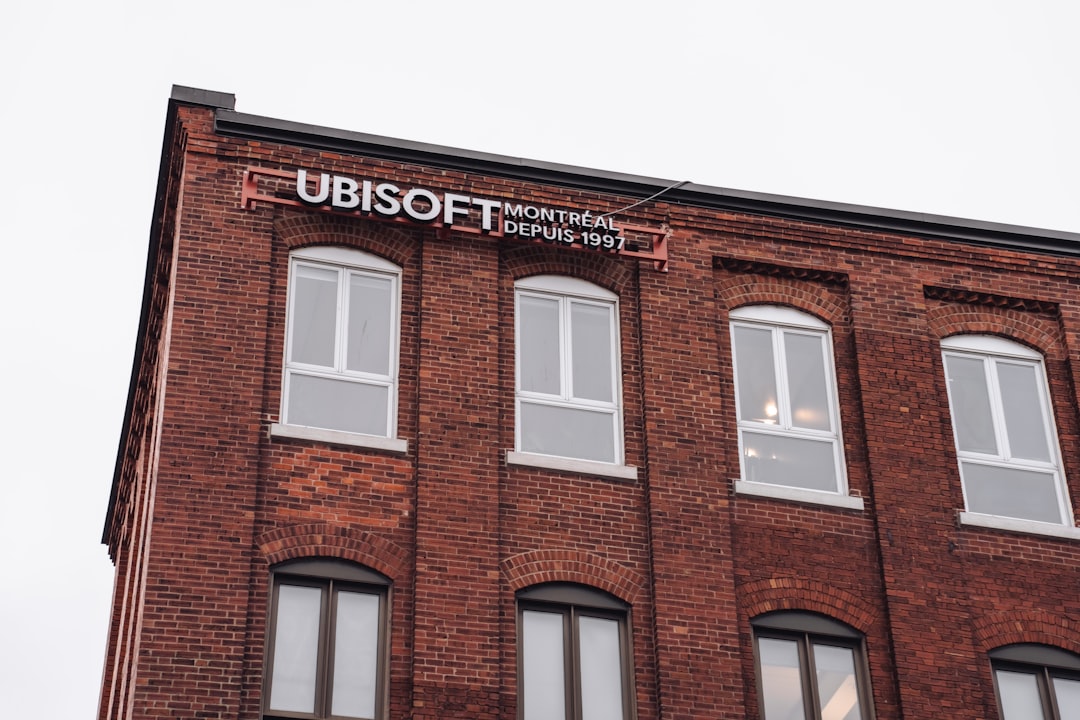
For those in the gaming sector, this is a crucial time to reassess career paths and skill sets. The ability to adapt to changing market conditions will be essential for success. As the industry shifts, what new opportunities will emerge for creative talent? Will companies prioritize innovation over traditional gaming models? The answers to these questions could shape the future of gaming careers for years to come.
Written by Career Ahead AI. AI can make mistakes, so verify key facts. Report errors to support@careeraheadonline.com.





