No products in the cart.

UK Energy Infrastructure Investment: Costs and Implications for Households
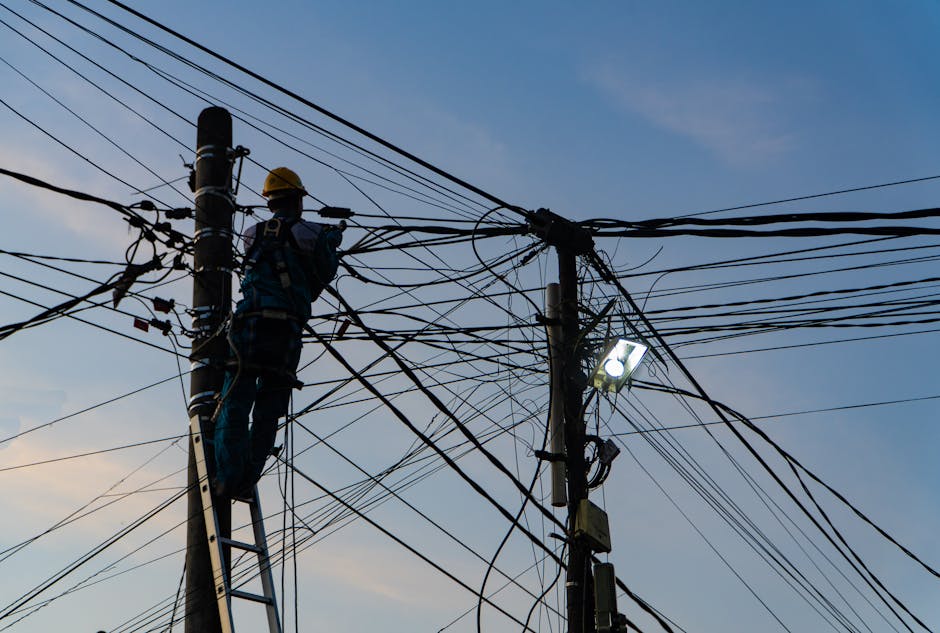
A £28bn investment in the UK's energy infrastructure will lead to rising household bills, but the long-term benefits may outweigh short-term costs.

London, United Kingdom — A significant £28 billion investment plan approved by the UK energy regulator Ofgem is set to push household energy bills up by an average of £108 annually. This initiative aims to modernize the country’s aging electricity and gas infrastructure over the next five years, addressing both reliability and sustainability concerns in the face of rising energy demands and climate commitments.
This investment is crucial as the UK transitions towards a greener economy. The funds will be allocated to upgrade the energy network, which is essential for integrating renewable energy sources and enhancing the resilience of the grid. As the UK government aims for net-zero carbon emissions by 2050, these upgrades are seen as foundational to achieving that goal.
The immediate impact of this investment will be felt in the form of higher energy bills. Ofgem has indicated that the average household will see an increase in their energy costs as network charges rise. This decision comes at a time when many households are already grappling with the financial strain caused by inflation and a cost-of-living crisis. According to the Office for National Statistics, UK inflation was reported at 4.2% in November 2025, with energy prices contributing significantly to this figure.
 Innovation
Optimism About Nuclear Energy Is Rising Again. Will It Last?
City, Country — Optimism about nuclear energy is on the rise again, particularly with the emergence of companies like Kairos…
Read More →In recent years, energy prices have fluctuated dramatically. For instance, the average household energy bill surged from £1,138 in 2020 to £2,500 in 2023, largely due to global market pressures and supply chain disruptions exacerbated by geopolitical tensions. The new investment, while necessary, raises questions about the balance between immediate financial burdens on consumers and the long-term benefits of a more robust energy infrastructure.
The UK’s £28 billion commitment, while substantial, is part of a broader trend where nations are recognizing the need for significant upgrades to their energy networks.
Investment in energy infrastructure is not unique to the UK. Globally, countries are facing similar challenges as they strive to modernize their energy systems. The International Energy Agency (IEA) estimates that global energy investment needs to reach $4 trillion annually by 2030 to meet climate goals and ensure energy security. The UK’s £28 billion commitment, while substantial, is part of a broader trend where nations are recognizing the need for significant upgrades to their energy networks.
Critics argue that passing these costs onto consumers may hinder public support for necessary energy reforms. The UK government must navigate this delicate balance, ensuring that while investments are made, the financial burden does not disproportionately affect low-income households. As part of this strategy, some experts suggest implementing targeted subsidies or rebates to alleviate the impact on vulnerable consumers.
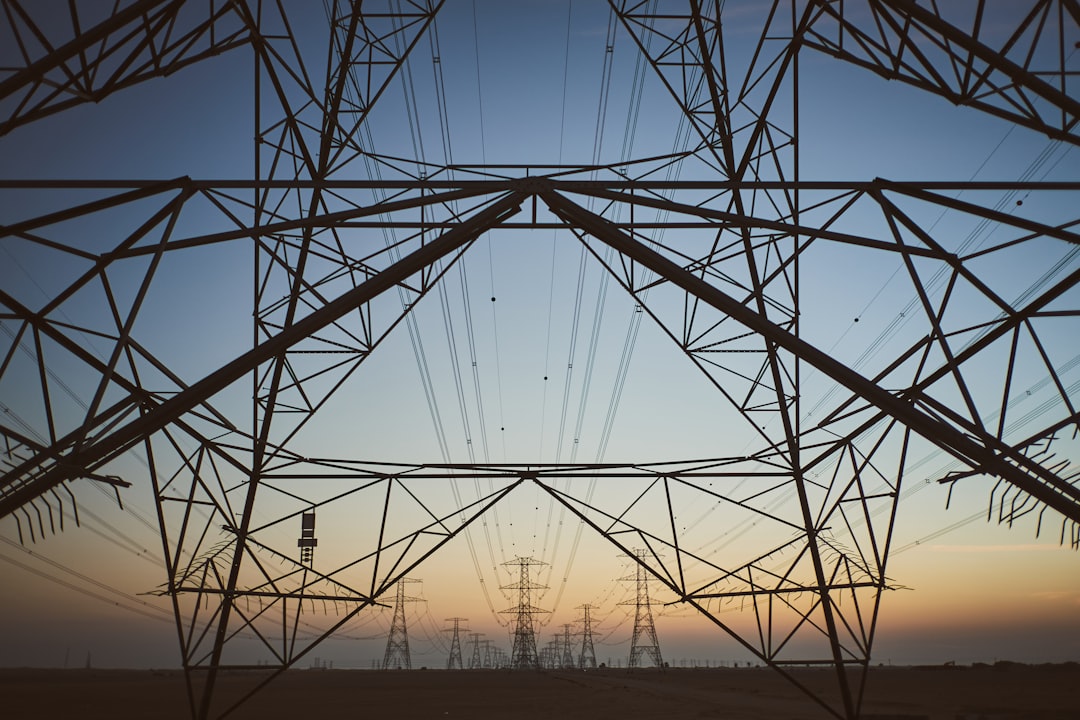
Moreover, the investment in energy infrastructure is poised to create jobs and stimulate economic growth. The construction and maintenance of new energy facilities will require a skilled workforce, potentially leading to the creation of thousands of jobs. According to the UK Green Jobs Taskforce, the transition to a green economy could create up to 400,000 jobs by 2030, underscoring the dual benefits of infrastructure investment: immediate economic stimulus and long-term sustainability.
 Banking & Finance
Chile’s Economy Unexpectedly Slowed After Upbeat Forecasts
Chile's economy has shown unexpected signs of slowing down despite earlier optimism. This article explores the implications for job seekers…
Read More →As the energy sector evolves, technological advancements will play a crucial role in shaping the future landscape. Smart grid technologies, for instance, can enhance energy efficiency and reliability, allowing for better management of energy consumption. The integration of artificial intelligence and machine learning in energy management systems can lead to more responsive and adaptive energy networks, further mitigating the impact of price increases.
The integration of artificial intelligence and machine learning in energy management systems can lead to more responsive and adaptive energy networks, further mitigating the impact of price increases.

Looking ahead, the success of the £28 billion investment will depend on effective communication from the government and energy providers. Transparency regarding how these funds will be utilized and the expected timeline for improvements will be key in maintaining consumer trust. Additionally, as households brace for higher bills, public engagement in energy-saving initiatives could help mitigate costs and promote a culture of sustainability.
Ultimately, the challenge lies in balancing the need for immediate financial relief with the imperative of long-term energy security and environmental responsibility. The UK’s energy landscape is at a crossroads, and the decisions made today will shape the future for generations to come. How will consumers respond to these changes, and what measures will be taken to ensure that the transition to a sustainable energy future is equitable for all?