

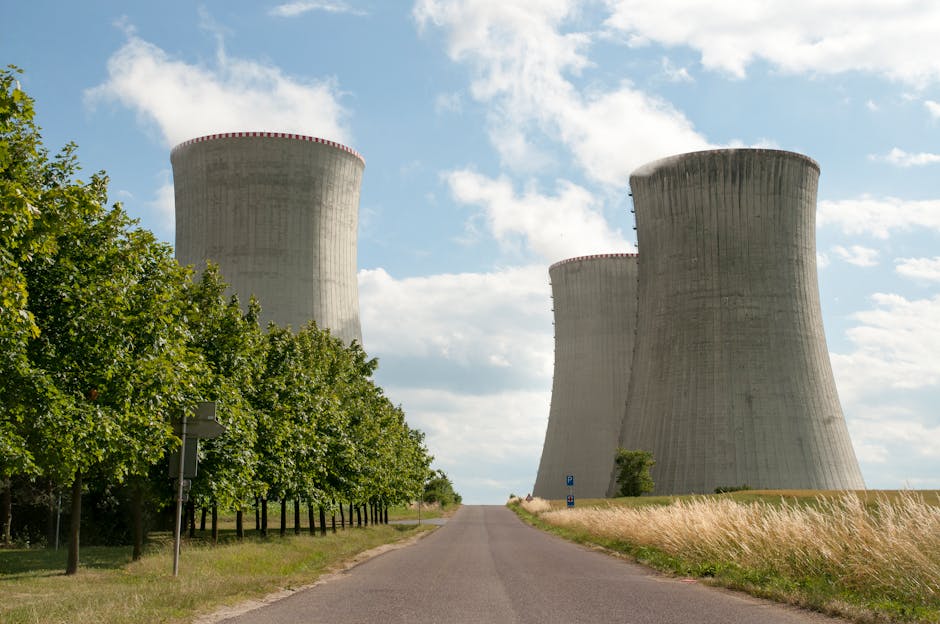
Optimism about nuclear energy is on the rise again, particularly with the emergence of companies like Kairos Energy. This shift comes at a time when energy security and climate change are pressing global concerns. The Biden administration’s renewed interest in nuclear power, coupled with Kairos Energy’s innovative approach to reactor design, has sparked discussions about the future of energy in the United States. As the world grapples with energy shortages and the need for cleaner alternatives, understanding the implications of this nuclear revival is crucial for professionals in the energy sector.
Kairos Energy is pioneering the development of small modular reactors (SMRs), which promise to be safer, more efficient, and easier to deploy than traditional nuclear plants. These reactors are designed to provide reliable energy while minimizing waste and the risk of catastrophic failure. The company’s approach aligns with the growing demand for sustainable energy solutions, making it a key player in the evolving landscape of the energy market.
This renewed focus on nuclear energy comes amid a backdrop of rising fossil fuel prices and increasing pressure to reduce carbon emissions. According to the International Atomic Energy Agency (IAEA), countries are turning to nuclear power as a viable solution for energy security and climate action. The IAEA’s recent projections indicate a significant increase in nuclear energy capacity in the coming years, particularly in the United States, where Kairos Energy is making strides.
How Kairos Energy Is Shaping Nuclear Careers
The rise of Kairos Energy and its innovative reactor designs have significant implications for career opportunities in the nuclear sector. As companies invest in new technologies, the demand for skilled professionals in engineering, project management, and regulatory compliance is expected to grow. Entry-level positions may become more accessible as the industry expands, offering fresh graduates a chance to enter a field that is becoming increasingly relevant.
As companies invest in new technologies, the demand for skilled professionals in engineering, project management, and regulatory compliance is expected to grow.
For mid-career professionals, this shift presents opportunities to transition into roles that focus on advanced nuclear technologies. As traditional energy roles evolve, professionals with experience in engineering and project management can leverage their skills to take on new challenges in the nuclear sector. Companies like Kairos Energy are likely to seek individuals who can navigate the complexities of regulatory frameworks while driving innovation.
 Government & Policy
Rubio Urges More US-India Energy Trade and Venezuelan Crude Refining
Rubio discussed refining Venezuelan crude with Indian companies and described India as a “refining superpower”.
Read More →Career switchers, particularly those from related fields like renewable energy or traditional power generation, may find a welcoming environment in the nuclear sector. As the industry adapts to new technologies, professionals with diverse backgrounds can bring fresh perspectives and skills that are essential for driving progress. The skills gained in renewable energy, such as project management and sustainability practices, can be highly transferable to nuclear energy roles.
Positioning Yourself for Opportunities in Nuclear Energy
As the nuclear energy sector expands, there are actionable steps you can take to position yourself for success. Here are a few recommendations:
- Enhance your technical skills: Consider pursuing certifications in nuclear engineering or related fields. Online courses and workshops can help you gain the necessary knowledge to stand out in the job market.
- Network within the industry: Join professional organizations focused on nuclear energy. Attend conferences and seminars to connect with industry leaders and learn about emerging trends.
- Stay informed about policy changes: Keep track of government initiatives and regulations affecting the nuclear sector. Understanding the political landscape can give you an edge in discussions during job interviews.
However, some experts caution that this optimism may not be sustainable. The Nuclear Energy Institute warns that while there is interest in nuclear energy, significant challenges remain. Regulatory hurdles, public perception, and the high costs of building new reactors could hinder the growth of the sector. As the market evolves, professionals must remain adaptable and ready to pivot as the landscape changes.
As the industry adapts to new technologies, professionals with diverse backgrounds can bring fresh perspectives and skills that are essential for driving progress.
The Future of Nuclear Energy with Kairos Energy
The outlook for nuclear energy, particularly with companies like Kairos Energy at the forefront, appears promising. As the world seeks sustainable energy solutions, nuclear power may play a crucial role in achieving energy security and reducing carbon emissions. The potential for innovation in reactor design and technology could lead to a renaissance in the nuclear sector.
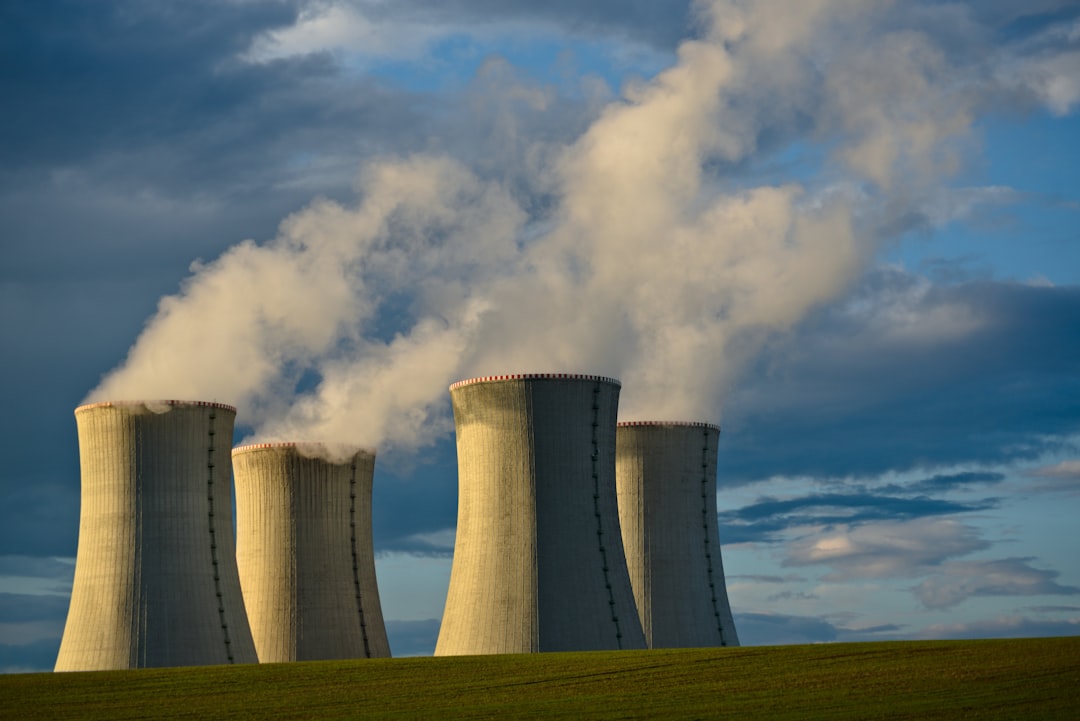
As you consider your career path, think about how the advancements in nuclear energy might create new opportunities. Will you be ready to seize them?
Written by Career Ahead AI. AI can make mistakes, so verify key facts. Report errors to support@careeraheadonline.com.





