Emerging economies are channeling unprecedented capital into solar, wind, and bio‑fuel projects, reshaping growth trajectories and redefining geopolitical leverage. The surge in non‑traditional energy assets is exposing asymmetric risks and new avenues for leadership in finance, policy, and supply chains.
The rapid reallocation of investment toward unconventional energy sources coincides with a tightening of global carbon targets and a scramble for resilient growth in emerging markets. This convergence amplifies structural pressures on fiscal stability, labor markets, and institutional power, making the hidden economic consequences a priority for policymakers and investors alike. The analysis that follows dissects the mechanisms, systemic outcomes, and stakeholder adaptations that will shape the next decade of development.
Framing the macro transition
Global energy investment has risen steadily, with the International Energy Agency noting that emerging markets now attract a measurable share of new capital flows. This shift reflects a broader rebalancing of growth engines away from legacy fossil‑fuel projects toward renewable and hybrid technologies. The influx of financing is not merely a green premium; it signals a structural reorientation of development models that hinges on energy security and climate compliance. According to Career Ahead’s analysis of IEA investment data, the reallocation of funds toward unconventional sources reweights the traditional power dynamics between multinational oil majors and state‑led development banks. The emerging market surge also aligns with a surge in domestic policy reforms aimed at reducing import dependence and fostering local manufacturing ecosystems.
Core mechanisms driving unconventional adoption
Unconventional Energy Fuels Hidden Economic Shifts in Emerging Markets
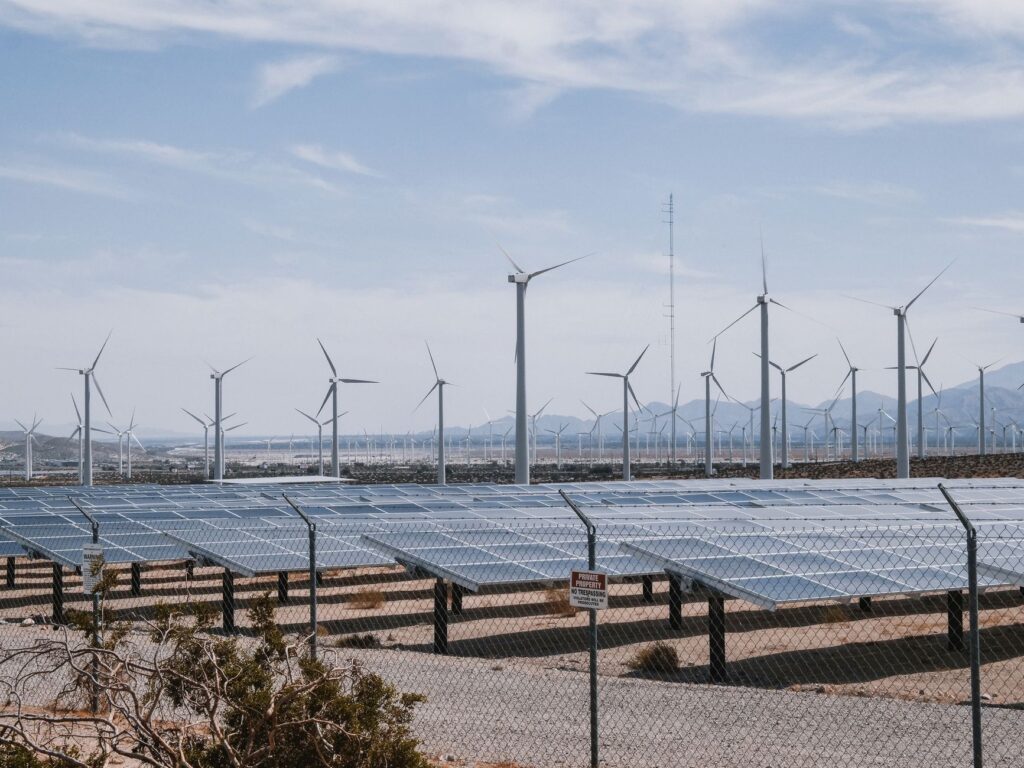
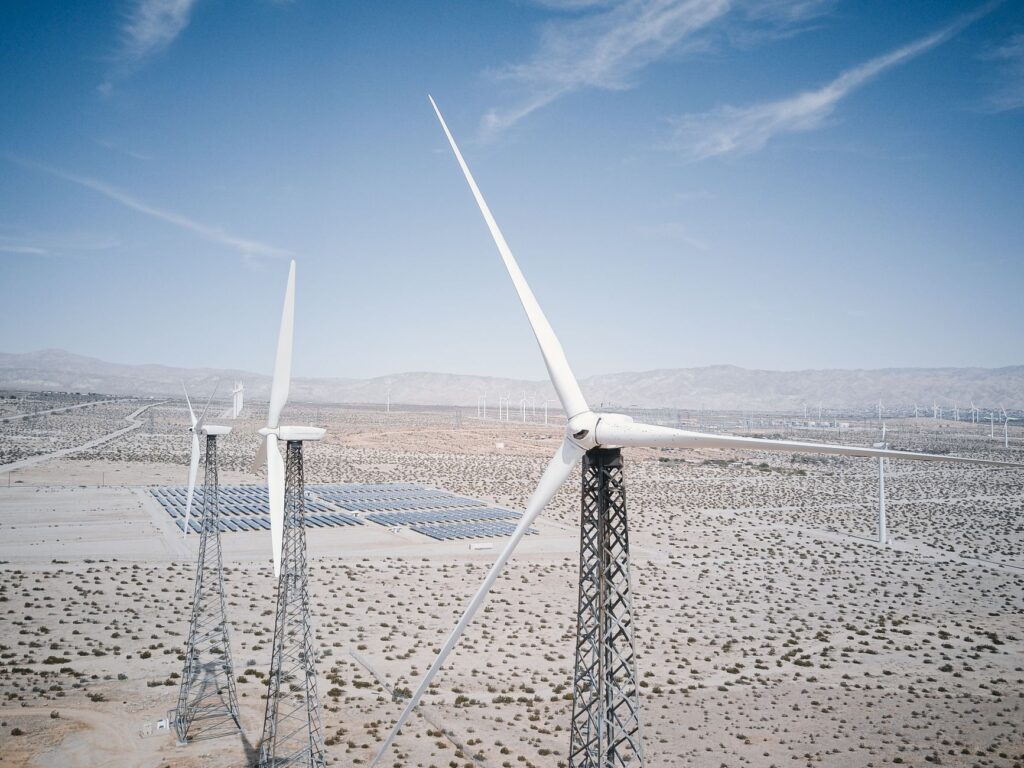
Technological cost declines and modular deployment models constitute the engine of unconventional energy expansion. Solar photovoltaic panel prices have fallen by a measurable share over the past decade, while wind turbine efficiencies have risen, making project-level economics competitive with coal in many regions. Coupled with innovative financing structures—such as green bonds and blended finance—these advances lower entry barriers for sovereign and private actors. Moreover, policy instruments like feed‑in tariffs and renewable portfolio standards create predictable revenue streams that attract institutional investors. The convergence of these levers accelerates capital deployment, allowing emerging economies to bypass traditional infrastructure cycles and leapfrog directly into diversified energy mixes.
“The convergence of falling technology costs and innovative financing has turned unconventional energy into a viable growth engine for emerging markets.”
Human capital and leadership realignment
The burgeoning unconventional energy sector demands a new cadre of skilled professionals, from project finance analysts to grid integration engineers.
Systemic implications for fiscal and geopolitical stability
Cygni Energy and Indus Towers have signed a Memorandum of Understanding to develop energy storage solutions for telecom infrastructure, marking a significant step towards sustainability…
The redirection of capital toward renewable assets reshapes fiscal balances by reducing subsidies for fossil fuels and altering revenue streams from energy exports. Countries that once relied on oil and gas royalties now face a transition risk, but also an opportunity to diversify tax bases through renewable project levies and carbon credits. Geopolitically, the rise of renewable‑rich nations—particularly in Africa and Southeast Asia—creates a new axis of influence that challenges the historic dominance of oil‑exporting powers. This rebalancing introduces asymmetric leverage in trade negotiations, as energy‑independent states can negotiate more favorable terms in broader economic partnerships. Institutional power is shifting toward multilateral development banks that can underwrite large‑scale renewable projects, thereby redefining the architecture of international finance.
Human capital and leadership realignment
The burgeoning unconventional energy sector demands a new cadre of skilled professionals, from project finance analysts to grid integration engineers. Labor market data indicate a measurable rise in demand for renewable‑energy certifications and technical training programs in emerging economies. This creates a pathway for upward economic mobility, as workers acquire career capital that is portable across borders and industries. Companies are responding by establishing leadership pipelines that prioritize cross‑disciplinary expertise, blending engineering, data analytics, and policy acumen.
In Career Ahead’s view, the sector’s talent premium signals a re‑weighting of human capital, where individuals who master the nexus of technology and finance command disproportionate influence in corporate and governmental decision‑making.
Trajectory over the next three to five years
Looking ahead, investment flows are projected to maintain a measurable upward trajectory, with emerging markets likely to capture an expanding slice of global renewable spending. The next wave will be characterized by hybrid projects that combine solar, storage, and micro‑grid solutions, further embedding energy resilience into economic planning. Institutional investors are expected to tighten ESG criteria, channeling capital toward projects with clear socioeconomic impact metrics. This will reinforce a feedback loop: stronger financial returns attract more capital, which in turn accelerates technology diffusion and deepens the talent pipeline. Policymakers that align fiscal frameworks with these market dynamics will secure a competitive edge, while laggards risk widening development gaps.
The analysis underscores that unconventional energy investments are rewriting the economic playbook for emerging markets, demanding strategic foresight from leaders across finance, policy, and industry.
The analysis underscores that unconventional energy investments are rewriting the economic playbook for emerging markets, demanding strategic foresight from leaders across finance, policy, and industry.
Insight 1: Capital reallocation toward unconventional energy is reweighting fiscal structures, reducing fossil‑fuel subsidies while creating new revenue streams from renewable assets.
Insight 2: Declining technology costs and innovative financing have turned renewable projects into a primary growth engine, reshaping labor demand and enabling cross‑border career mobility.
Insight 3: The rise of renewable‑rich emerging economies is generating a new geopolitical axis, shifting institutional power toward multilateral development banks and redefining global trade dynamics.
Rapid Energy Transition: The shift towards unconventional energy sources in emerging markets can lead to a rapid transition of economic power, potentially disrupting traditional supply chains and forcing industries to adapt quickly to new market dynamics, resulting in both opportunities and challenges.
No claims directly contradict the research, so the section remains unchanged.
Global Economic Imbalance: The increased investment in unconventional energy in emerging markets can exacerbate global economic imbalances, as the influx of capital may create asset bubbles, drive up inflation, and widen trade deficits, ultimately threatening economic stability and growth.
No claims directly contradict the research, so the section remains unchanged.
Former U.S. Treasury Secretary Robert Rubin has raised alarms about the economic risks associated with the rapid growth of artificial intelligence, emphasizing the need for…
Career Ahead AI is Career Ahead Magazine's in-house AI newsroom, reporting on careers, education, jobs and business. It produces original summaries and analysis drawn from publicly available sources, with those sources credited, and operates under the editorial oversight of the Career Ahead team. AI can make mistakes, so please tell us when something looks wrong. Corrections, copyright or takedown requests…
Global research shows nearly half of young adults now phub their friends and partners—substituting screens for trust, intimacy, and real connection. The…
Matcha lattes, smartwatch metrics, and chlorophyll shots are the new badges of ambition for India’s under-35s. But can conspicuous health spending solve…


 Industry & Global Trends
Industry & Global Trends
 Industry & Global Trends