No products in the cart.

Understanding Rising Prices in the UK: Key Factors Explained
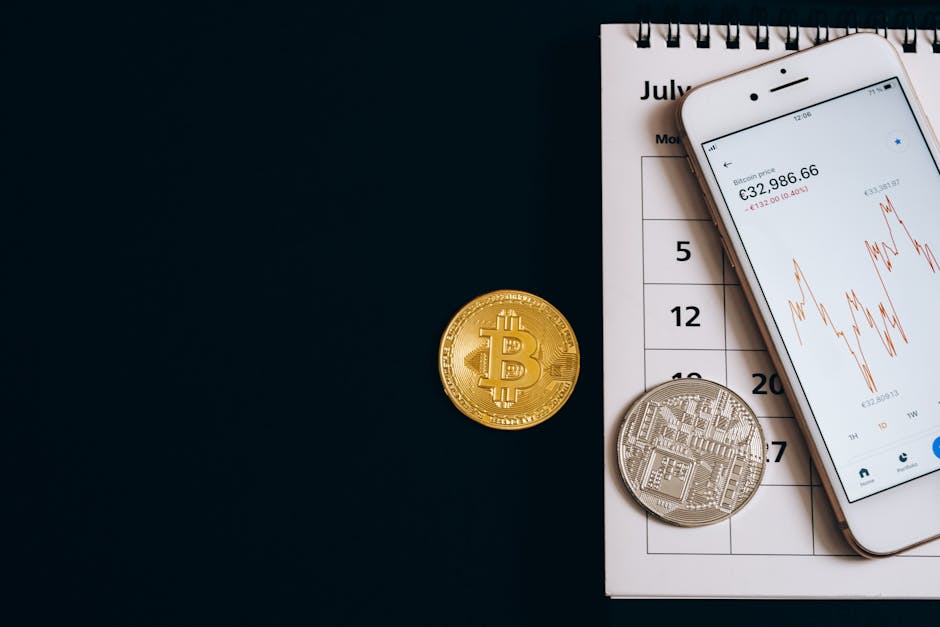
Explore the reasons behind the persistent rise in UK prices, from supply chain issues to wage growth and consumer behavior.

“`html
The Inflation Puzzle: Why Prices Keep Climbing
In January, the UK’s Consumer Prices Index (CPI) rose by 3 percent compared to the previous year. This is a slight drop from December’s 3.4 percent but remains above the Bank of England’s 2 percent target. Although this figure is much lower than the 11.1 percent peak in October 2022, ongoing price increases suggest that the factors behind the surge are still at play. The Bank has responded with six interest-rate cuts since August 2024, lowering the Bank Rate to 3.75 percent, balancing the need to control inflation while supporting economic growth.
Economic Factors Behind the Price Surge
Supply-Chain Frictions from the Pandemic
Despite easing COVID-19 restrictions, the global logistics network remains under strain. Ports that used to clear containers quickly now face backlogs. British manufacturers have shifted from “just-in-time” inventory to more costly safety-stock arrangements. This squeeze on wholesale margins leads to higher retail prices, especially for goods with imported components.
Brexit-Induced Trade Challenges
Since leaving the EU, the UK has faced increased customs checks and regulatory differences, adding delays and paperwork to cross-border shipments. While the Office for National Statistics (ONS) updates its “basket of goods” to reflect changing consumption patterns, the cost of moving goods across the Channel has risen, increasing prices for everything from fresh produce to electronics.
Energy Price Volatility
The UK’s dependence on imported gas and oil makes energy costs sensitive to global market fluctuations. When wholesale gas prices rise, utilities increase tariffs, which in turn raises production costs for manufacturers and service providers. Even sectors not directly reliant on energy feel the impact through higher transport and heating costs.
Brexit-Induced Trade Challenges Since leaving the EU, the UK has faced increased customs checks and regulatory differences, adding delays and paperwork to cross-border shipments.
Wage Growth and Labor Costs
With unemployment at historically low levels, employers are raising wages to attract talent. While this boosts household income, it also increases operating costs. Businesses, particularly in low-margin sectors like food retail and hospitality, often raise prices to offset higher payroll expenses, contributing to inflation.
The Role of Consumer Behavior in Price Stability
Shifts Toward sustainability and Premium Choices
British shoppers are increasingly willing to pay more for sustainable, ethically sourced, or high-quality products. This trend for “green” or “artisan” goods drives up the average price level measured by the CPI.
You may also like
 Artificial Intelligence
Revolutionizing Student-Athlete Wellness: Temple University’s JournAI
Temple University’s JournAI leverages AI to enhance student-athlete wellness, promising a new era of support in sports and education.
Read More →The Digital Marketplace and Competitive Pricing
Online retail has intensified price competition for everyday items, lowering costs in categories like clothing and electronics. However, digital platforms also make consumers more aware of price changes, prompting quicker adjustments in spending habits.
Consumer Confidence and Spending Patterns
Uncertainty from the pandemic, geopolitical tensions, and fluctuating energy bills has affected household confidence. When confidence declines, consumers often delay discretionary purchases, which can ease price pressures in some sectors. However, prices for essential goods—like food and energy—remain less flexible, continuing to influence overall inflation.
Impact of Persistent Inflation on the UK Economy
Rising prices reduce real purchasing power, forcing households to spend more on necessities. This can lower consumer spending, a key driver of GDP growth, and may lead businesses to delay investments due to uncertain returns. Additionally, inflation creates valuation risks for lenders and borrowers; while nominal debt remains the same, the real burden on borrowers can change, affecting credit conditions across the economy.
Strategic Perspective: Navigating the Inflation Puzzle
Policymakers face the challenge of controlling price growth without hindering recovery. The Bank of England’s gradual rate cuts aim to lower financing costs, encouraging investment and easing debt servicing. However, if rates drop too far below inflation, real returns on savings diminish, potentially leading to asset-price bubbles. Fiscal measures—such as targeted energy subsidies, streamlined customs processes, and incentives for domestic production—can address structural cost issues without over-relying on monetary policy.
The Long-Term View: Toward Sustainable Price Stability
Investing in resilient infrastructure, like modernized ports and rail systems, can reduce supply-chain costs. Expanding trade agreements to simplify cross-border compliance may also ease Brexit-related price pressures. Finally, promoting innovation in low-carbon energy and productivity-enhancing technologies can help decouple economic growth from volatile commodity markets, paving the way for a more stable and fair price environment.
This can lower consumer spending, a key driver of GDP growth, and may lead businesses to delay investments due to uncertain returns.
You may also like
 Career Advice
Astrological Insights: Pratipada Shradh and Career Opportunities for Select Zodiac Signs
As the Pratipada Shradh unfolds, certain zodiac signs are poised to experience heightened career luck. Discover what the stars have in store for you today.
Read More →
Looking ahead, the UK’s path to overcoming persistent inflation relies not just on short-term rate changes but on a coordinated effort to modernize supply chains, diversify energy sources, and align consumer expectations with sustainable value. When these elements work together, the ongoing rise in prices may finally stabilize, leading to a more resilient economic future.
“`