No products in the cart.

UNESCO Expands World Heritage List Amid Global Push to Protect Endangered Sites
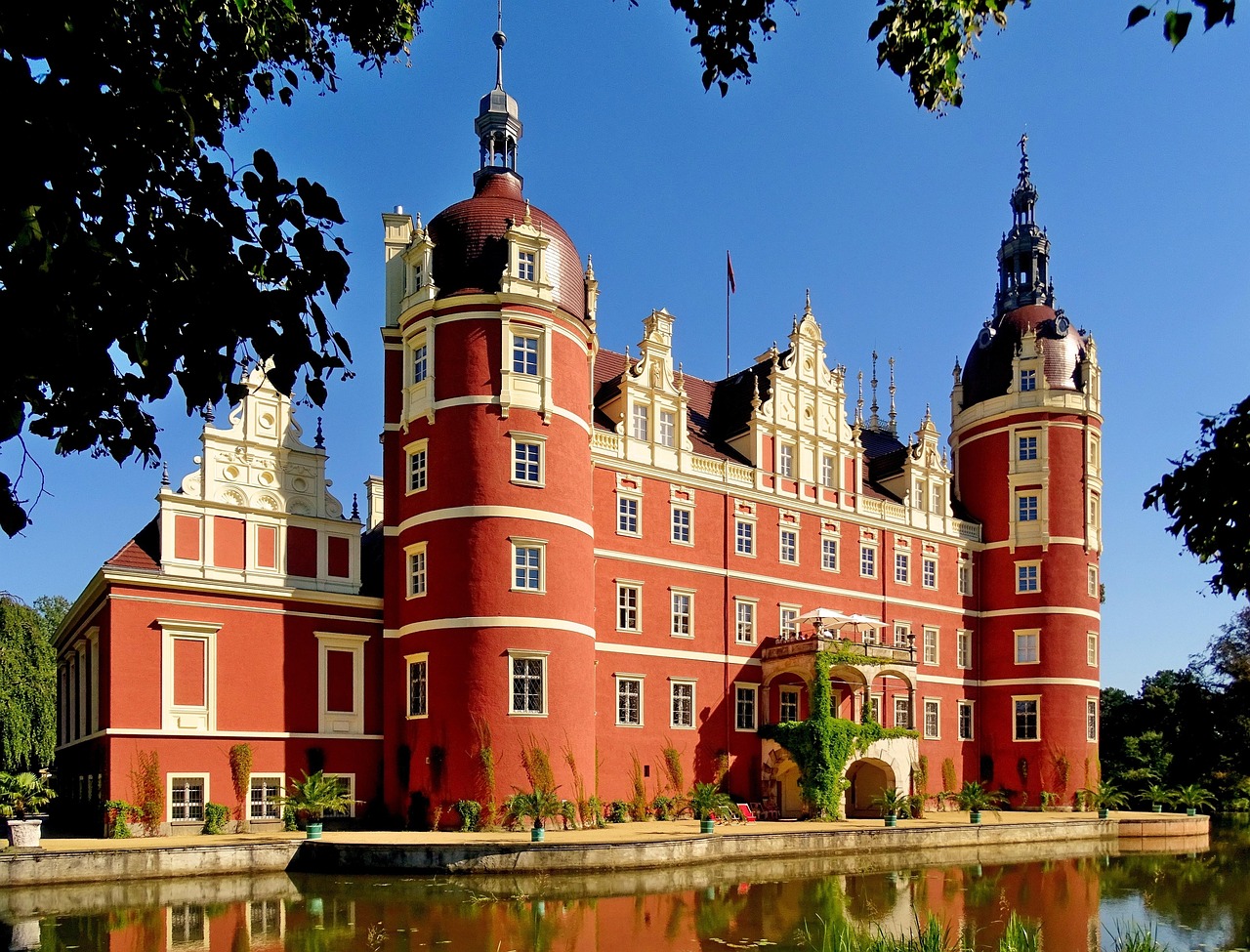
UNESCO's 2025 World Heritage Committee session added 40 new sites worldwide, reflecting a growing urgency to safeguard cultural landmarks amid climate change and urbanization pressures.

Paris, France — UNESCO’s World Heritage Committee closed its 2025 session this November with the addition of 40 new sites spanning 27 countries to its prestigious World Heritage List. The move underscores a growing global commitment to protect cultural and natural landmarks increasingly imperiled by climate change, urban development, and geopolitical instability. This latest expansion includes a diverse range of sites—from the ancient rock art of Australia’s Burrup Peninsula to the historic industrial complex of Belgium’s Cockerill-Sambre steelworks. The committee’s decisions reflect both a widening geographic scope and a focus on sites vulnerable to environmental and human pressures. As the World Heritage List grows beyond 1,200 entries, the urgency to safeguard these sites has intensified. UNESCO’s 2025 session highlights the intersection of heritage preservation with global challenges such as climate adaptation, sustainable tourism, and cultural identity in a rapidly changing world. Global Heritage Under Threat
UNESCO’s World Heritage List, established in 1972, aims to identify and protect sites of outstanding cultural or natural significance. The 2025 session, held in Paris from November 10-20, approved 40 new inscriptions, including 22 cultural, 15 natural, and 3 mixed heritage sites. Among the new cultural sites is the historic city of Merv in Turkmenistan, once a key Silk Road hub, now threatened by desertification and neglect. Natural sites like the Khangai Nuruu National Park in Mongolia represent critical biodiversity hotspots facing climate-induced habitat shifts. Mixed sites such as the Rio Plátano Biosphere Reserve in Honduras combine ecological and cultural values but are imperiled by illegal logging and mining. The committee also inscribed several industrial heritage sites, signaling a shift toward recognizing the cultural significance of industrialization’s legacy. Belgium’s Cockerill-Sambre complex, for example, tells a story of 19th-century steel production, labor history, and economic transformation. These additions come amid intensifying threats from rising global temperatures, urban sprawl, and armed conflicts. UNESCO estimates that nearly 50 World Heritage sites face immediate risks from climate change effects, including rising sea levels, wildfires, and extreme weather events.[1]
Heritage Preservation Meets Climate and Development Challenges
The 2025 session spotlighted the need for integrated approaches to heritage management that incorporate climate resilience and sustainable development. Delegates emphasized that heritage conservation cannot be isolated from broader environmental and social policies. UNESCO Director-General Audrey Azoulay stressed during the session, “Protecting our heritage is inseparable from protecting our planet and our communities.” This view aligns with growing calls from experts to embed heritage sites within climate adaptation strategies and local economic planning.[2]
Some countries showcased innovative solutions. Japan presented efforts to safeguard the Shirakami-Sanchi forest through community-based conservation and ecotourism models. South Africa highlighted its work to integrate heritage sites into national climate policy frameworks.
Context: The Expanding World Heritage List and Its Complexities
Since its inception, the World Heritage List has grown steadily, but the pace of inscriptions has accelerated in recent years. As of 2025, there are 1,250 sites across 167 countries, ranging from ancient ruins and sacred landscapes to modern architectural marvels. This growth reflects both the increasing recognition of diverse cultural expressions and natural wonders and the political dynamics of heritage diplomacy. Countries often view World Heritage status as a tool for tourism promotion and international prestige. However, the expansion raises challenges. Managing larger numbers of sites strains UNESCO’s resources and complicates enforcement of protection measures. Moreover, sites in conflict zones or fragile environments require more nuanced, locally tailored strategies. Multiple Perspectives on Heritage Conservation
Experts emphasize that inscription alone cannot guarantee preservation. Dr. Ana María Hernández Salgar, Chair of the International Union for Conservation of Nature’s World Commission on Protected Areas, noted, “World Heritage recognition must be matched by sustained investment and community engagement.”[3]
Some critics argue that the designation can spur overtourism, damaging fragile sites. Venice and Machu Picchu have become case studies in balancing visitor influx with preservation. UNESCO has responded by encouraging sustainable tourism practices and visitor caps in sensitive locations. Additionally, Indigenous groups advocate for greater inclusion in decision-making processes. Sites like Australia’s Burrup Peninsula raise questions about protecting Indigenous cultural heritage while fostering economic opportunities for local communities. Looking Ahead: Integrating Heritage into Global Agendas
UNESCO’s 2025 session signals a turning point where heritage preservation is increasingly linked to global sustainability goals. The inclusion of sites vulnerable to climate change underscores the need for heritage policies to align with international climate accords such as the Paris Agreement. For professionals in cultural preservation, urban planning, and environmental policy, this means greater interdisciplinary collaboration. Heritage managers must work alongside climate scientists, economists, and local stakeholders to devise resilient, equitable strategies. Educational institutions and career seekers should anticipate growing demand for expertise in heritage science, conservation technology, and sustainable tourism management. Policymakers will face pressure to integrate heritage considerations into infrastructure and land-use planning to safeguard cultural and natural legacies for future generations. The 2025 World Heritage Committee’s decisions highlight a critical juncture: heritage sites are not just relics of the past but active assets in shaping sustainable futures.
 Career Development
The Battle of Learning: Online vs. Traditional Education
This analysis explores the rise of online education, comparing its outcomes, costs, and employer recognition with traditional learning paths.
Read More →


Educational institutions and career seekers should anticipate growing demand for expertise in heritage science, conservation technology, and sustainable tourism management.