

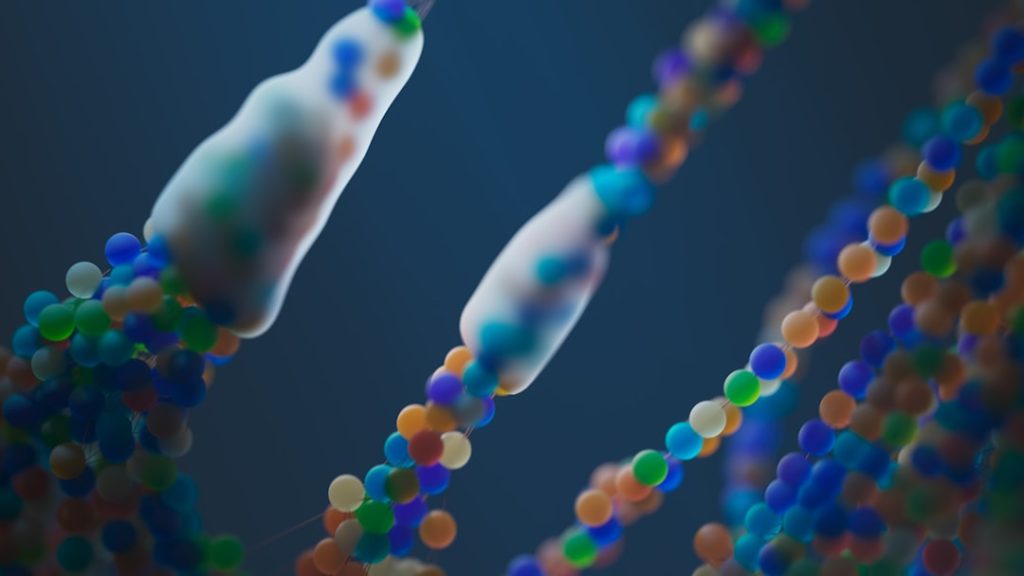
Boston, USA — The year 2025 is fast approaching, and with it comes a transformative wave in the biological sciences, driven by artificial intelligence. Picture a world where algorithms can decode the mysteries of the human genome, where machine learning is not just a buzzword but the very foundation of groundbreaking research and innovation. As we stand on the brink of this new era, the opportunities for young professionals equipped with AI skills in biology are not just promising—they are essential.
In the past few years, the integration of AI in biology has accelerated at a breathtaking pace. From drug discovery to genomics, AI technologies are reshaping the landscape. Companies that once relied on traditional methods are now leveraging machine learning to analyze vast datasets with unprecedented speed and accuracy. According to a recent report from BioTecNika, the demand for professionals skilled in both biology and AI is set to soar, creating a perfect storm of opportunity for those ready to ride the wave.
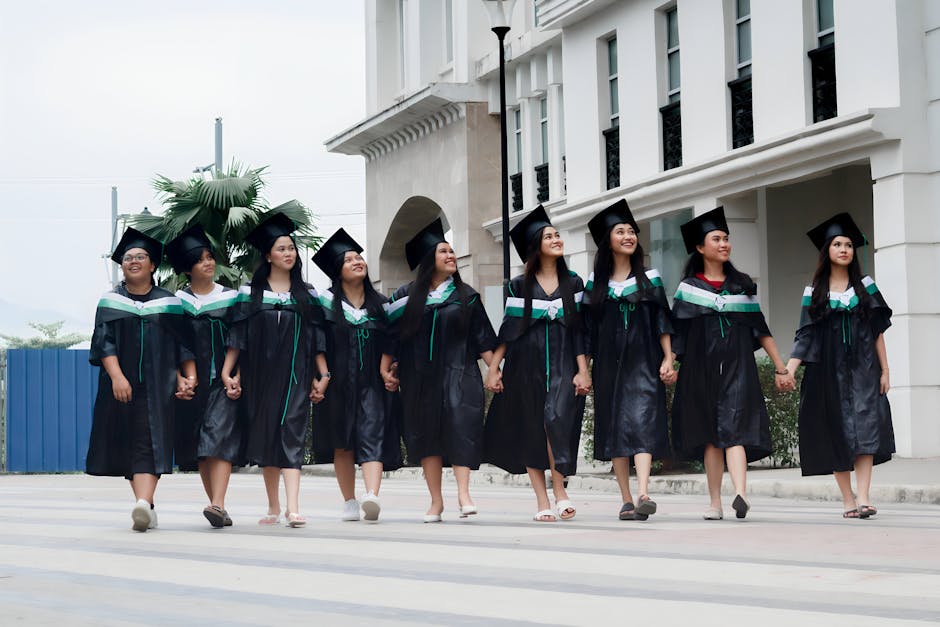
The convergence of biology and technology is not merely a trend; it’s a radical shift. For instance, take the case of Emily Chang, a recent graduate who landed a role at a biotech startup in San Francisco. Armed with a dual degree in molecular biology and data science, Emily is part of a team that develops AI algorithms to predict how new drugs will interact with the human body. “It’s exhilarating,” she says. “Every day, we’re not just analyzing data; we’re uncovering potential cures.”
Emily’s story is not unique. Across the globe, educational institutions are adapting their curricula to meet the rising demand for this interdisciplinary skill set. The Massachusetts Institute of Technology (MIT) and Stanford University, for example, have launched programs that meld biology with data science, preparing students for the jobs of tomorrow. Universities are realizing that the future of biology lies in the hands of those who can harness the power of AI.
Across the globe, educational institutions are adapting their curricula to meet the rising demand for this interdisciplinary skill set.
However, the road ahead is not without challenges. The rapid evolution of technology means that today’s students must be agile learners, ready to adapt to new tools and methodologies as they emerge. Companies are seeking candidates who not only possess technical expertise but also demonstrate creativity and critical thinking. This aligns with the broader trend in the job market, where soft skills are becoming just as vital as hard skills.
Moreover, the ethical implications of using AI in biology cannot be ignored. As we push the boundaries of what’s possible, issues surrounding data privacy and algorithmic bias are becoming increasingly prominent. For instance, how do we ensure that AI-driven research benefits all populations, not just a select few? These are questions that future professionals must grapple with as they navigate this complex landscape.
Looking forward, the integration of AI in biology is expected to create a plethora of new roles that we can only begin to imagine. Positions such as bioinformatics specialists, AI ethicists in healthcare, and machine learning biologists are on the horizon. The World Economic Forum predicts that jobs in the fields of AI and data science will grow exponentially, highlighting the urgency for young professionals to acquire these skills sooner rather than later.
In this rapidly changing environment, the opportunity for side hustles is also blossoming. Freelance data analysts with a knack for biology can find gigs ranging from consulting for biotech firms to contributing to academic research projects. The gig economy is not just about rideshares and deliveries; it’s about leveraging specialized knowledge in a flexible way. Young professionals are encouraged to explore these avenues to diversify their portfolios and gain practical experience.
These are questions that future professionals must grapple with as they navigate this complex landscape.
As we navigate the complexities of the modern job market, the fusion of AI and biology represents a beacon of hope and innovation. For those willing to invest time in learning, the rewards can be immense. The future of work is here, and it’s intertwined with the promise of technology and science. Embracing this change means not only preparing for a fulfilling career but also contributing to a healthier, more equitable world. As we move forward, the call to action is clear: equip yourself with the skills of tomorrow and be part of the revolution that reshapes our understanding of life itself.
Written by Career Ahead AI. AI can make mistakes, so verify key facts. Report errors to support@careeraheadonline.com.





