No products in the cart.

Unlocking Performance: Understanding Your Chronotype
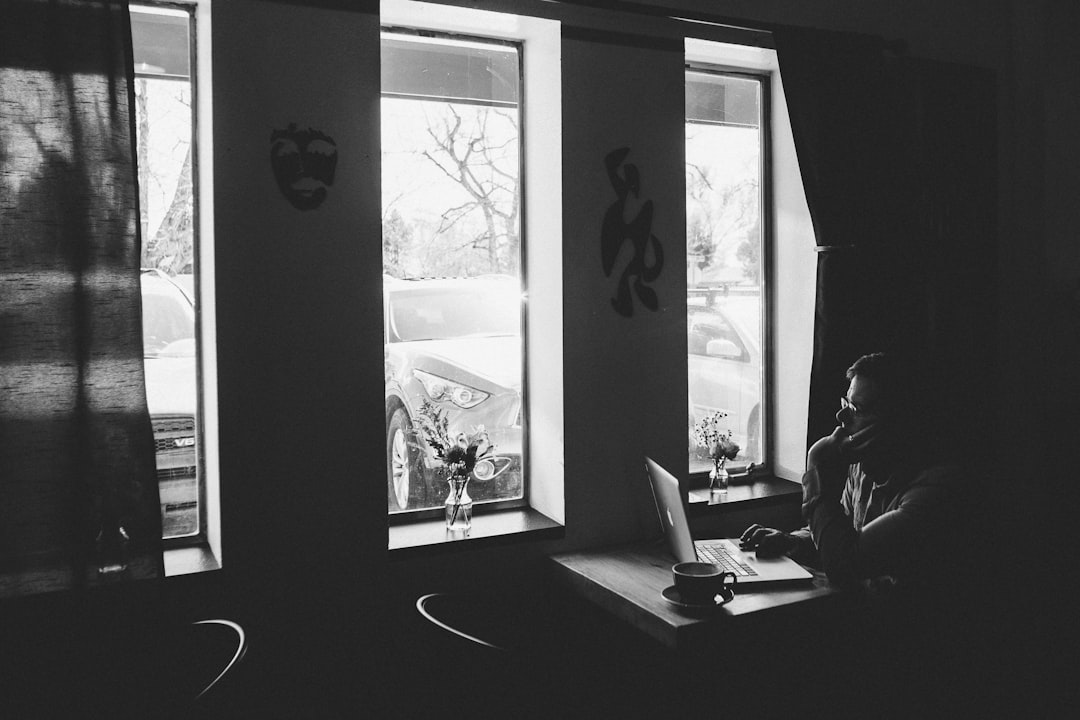
Discover how understanding your chronotype can enhance workplace productivity and creativity. Learn to align work schedules with natural rhythms for peak performance.


“`html
Chronotype: The Hidden Force Behind workplace Performance
When the office lights turn on at 9 a.m., it’s assumed every employee is ready to start the day. In reality, each brain has its own internal clock, or chronotype, which determines when we feel alert, tired, or creative. The Wharton Neuroscience Initiative, with consulting firm Slalom, defines chronotype as “an individual’s natural timing system for sleep and alertness.” This system results from two biological forces: sleep pressure and circadian rhythms that regulate hormone release, body temperature, and brain activity.
Genetics provide the base, while lifestyle and age adjust the rhythm. About 75% of adults have a chronotype that significantly affects their daily alertness and productivity. Early birds (morning types) are most focused before noon, while night owls (evening types) peak in the late afternoon or evening. Performance on tasks requiring attention, problem-solving, and creativity varies with these biological rhythms. Elizabeth “Zab” Johnson, executive director of the Wharton Neuroscience Initiative, states, “This isn’t about preference or discipline. Our daily alertness is shaped by these forces, determining when we are primed for focus, creativity, or recovery.”
Aligning Work Hours with Biological Rhythms: A Game Changer
Rethinking the 9-to-5
The traditional 9-to-5 schedule suits factories, not today’s knowledge economy. With collaboration tools available at any hour, a one-size-fits-all timetable can hinder productivity. Wharton’s research shows that when companies align tasks with employees’ chronotypes, productivity increases by 25%, and absenteeism drops by 15%. These gains come from reducing “circadian misalignment,” the mismatch between work hours and optimal brain function.
In a typical project cycle—analytical work, brainstorming, and execution—morning types excel in the early hours, while evening types thrive in mid-afternoon brainstorming sessions. By scheduling tasks according to these natural peaks, teams can avoid slumps from forced alertness.
Aligning Work Hours with Biological Rhythms: A Game Changer Rethinking the 9-to-5 The traditional 9-to-5 schedule suits factories, not today’s knowledge economy.
AI as a Chronotype Coach
Artificial intelligence, known for processing data, is now being used to understand personal rhythms. For example, Google’s Flood Hub platform uses AI to analyze vast amounts of data. Similarly, machine-learning algorithms can examine login times, email response rates, and self-reported energy levels to identify an individual’s chronotype without invasive surveys.
You may also like
 Business
US Job Growth Surges: 63,000 New Jobs Added in February
In February, U.S. companies added 63,000 jobs, defying expectations amid economic uncertainty. Key sectors include health care and hospitality.
Read More →
When this data informs scheduling tools, managers receive actionable insights: “Assign this report to Alex between 7 a.m. and 10 a.m.; schedule workshops for Maya after 2 p.m.” This creates a dynamic work calendar that respects neurobiological limits while accommodating global teams.
The Future of Work: Embracing Individual Differences for Greater Innovation
From Uniformity to Personalization
As hybrid work models grow, the focus is shifting from “where” to “when” we work. Companies that prioritize employee well-being through flexible hours see a 30% increase in innovation, measured by patent filings and new product concepts. Employee satisfaction also rises by 20%, highlighting the connection between autonomy and engagement.
These numbers reflect a cultural shift. When employees feel trusted to follow their biological clocks, they invest that energy back into the organization. The workplace evolves from a rigid assembly line to a collaborative studio, where diverse perspectives generate ideas that a uniform schedule might miss.
Practical Pathways for Leaders
- Chronotype Mapping: Use simple surveys or AI analytics to identify morning, intermediate, and evening types in teams.
- Core Collaboration Hours: Set a 2-3 hour window for all employees to be reachable, allowing flexibility for the rest of the day.
- Task-Timing Alignment: Match high-cognitive tasks with individual peak times; reserve routine tasks for low-energy periods.
- Feedback Loops: Conduct quarterly checks to assess how well schedule adjustments support performance and refine algorithms as needed.
Implementing these strategies doesn’t require a complete overhaul. Many organizations already have the necessary digital tools—time-tracking software, collaboration platforms, and cloud calendars—to integrate chronotype insights into their processes.
The Future of Work: Embracing Individual Differences for Greater Innovation From Uniformity to Personalization As hybrid work models grow, the focus is shifting from “where” to “when” we work.


Strategic Perspective: Harnessing Time as a Competitive Advantage
You may also like
 Education
Trump Signs $79 Billion Education Funding Bill for FY 2026
Trump's signing of the $79 billion education funding bill for FY 2026 brings stability to schools and students, ending months of uncertainty.
Read More →The future of talent management will focus not only on skills but also on temporal alignment. Companies that view chronotype as a strategic asset can unlock hidden human potential, using the brain’s natural rhythms to drive innovation. As the lines between work and life blur, organizations that empower employees to work when they are most alert will lead the way. Performance will harmonize corporate needs with human nature.
“`