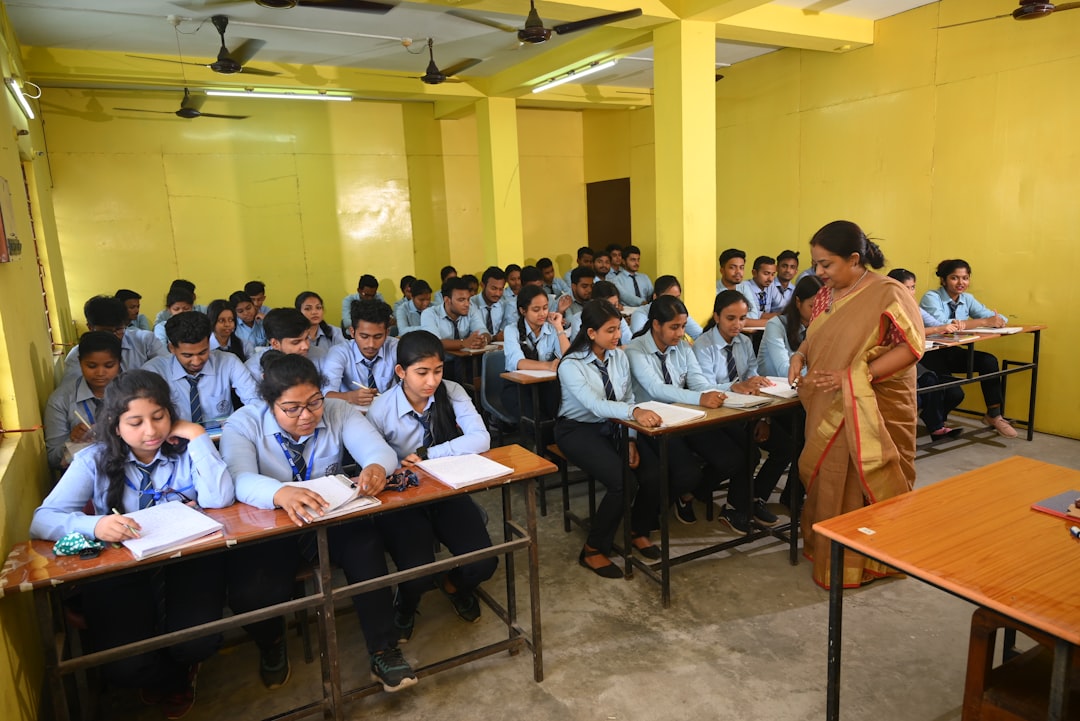
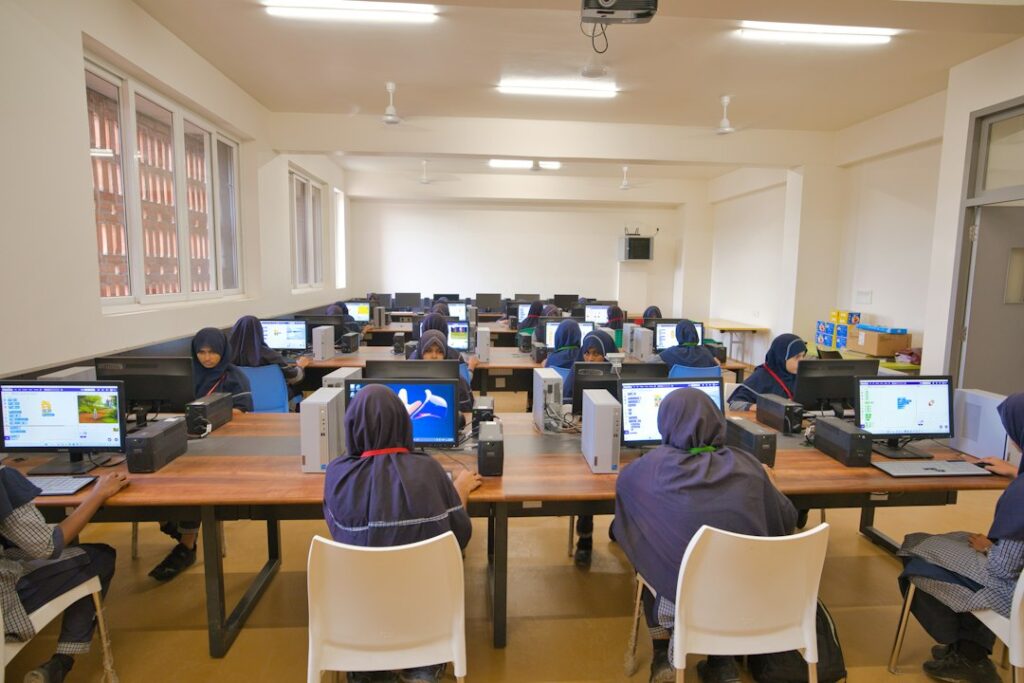
Lucknow, India — The Uttar Pradesh (UP) Board is set to introduce mandatory vocational education for students in classes 9 and 11 starting in 2026. This initiative aims to equip students with practical skills that align with the demands of the job market. UP Board Secretary Bhagwati Singh emphasized that the curriculum will be developed by subject experts through a series of consultations led by Satyendra Kumar Singh and Skand Shukla. This move is significant as it responds to the growing need for skilled professionals in various sectors.
The decision to implement vocational education reflects a broader trend in India towards enhancing the employability of students. With the increasing competition in the job market, traditional academic routes alone may not suffice for students. By integrating vocational training into the school curriculum, the UP Board aims to bridge the gap between education and employment. This initiative will not only provide students with essential skills but also foster a culture of entrepreneurship and self-reliance.
According to data from the National Skill Development Corporation, India faces a significant skills gap, with millions of jobs remaining unfilled due to a lack of qualified candidates. The introduction of vocational education in schools is a proactive step to address this issue. Students will have the opportunity to gain hands-on experience in various trades and industries, making them more attractive to potential employers.
Why Vocational Education Matters Now
Vocational education is crucial for several reasons. First, it aligns educational outcomes with labor market needs. Students will learn skills that are in demand, increasing their chances of employment after graduation. Second, vocational training promotes practical learning, which enhances student engagement and retention. By working on real-world projects, students can better understand the application of their studies.
Furthermore, vocational education can reduce youth unemployment rates. According to the Ministry of Skill Development and Entrepreneurship, youth unemployment in India is a pressing issue, with millions of young people struggling to find jobs. By equipping students with relevant skills, the UP Board’s initiative could significantly impact the employability of graduates, especially in rural and semi-urban areas where job opportunities are limited.
Students exposed to practical skills are more likely to start their ventures or contribute to existing businesses.
Moreover, vocational education can foster innovation and entrepreneurship. Students exposed to practical skills are more likely to start their ventures or contribute to existing businesses. This entrepreneurial spirit is vital for India’s economic growth, especially as the country aims to become a global manufacturing hub.
 Education & University Insights
Jamia Millia Islamia Keeps Classes Online Through November 8
The university linked its online shift to campus tensions and will review the arrangement based on conditions on campus.
Read More →As the UP Board prepares to roll out this initiative, it is essential to consider how it will be implemented. Schools will need adequate resources, trained instructors, and partnerships with local industries to ensure the program’s success. The curriculum must also be regularly updated to reflect changing industry needs and technological advancements.
How This Affects Students’ Career Prospects
The introduction of mandatory vocational education will have a profound impact on students’ career prospects. For entry-level students, this initiative provides an early opportunity to explore various career paths. They will be able to make informed decisions about their future based on practical experiences rather than theoretical knowledge alone.
For mid-career students, vocational education can serve as a valuable tool for skill enhancement. As industries evolve, workers must adapt to new technologies and methods. Vocational training can help them stay competitive and relevant in their fields. The skills acquired through vocational programs can lead to higher salaries and better job security.
Career switchers will also benefit from this initiative. Those looking to change their career paths can gain new skills that facilitate a smoother transition. By learning a trade or skill that is in demand, they can improve their employability and open doors to new opportunities.
For mid-career students, vocational education can serve as a valuable tool for skill enhancement.
Furthermore, the emphasis on vocational education may lead to a shift in how employers perceive educational qualifications. As practical skills become more valued, companies may prioritize hands-on experience over traditional degrees. This shift could democratize opportunities for many students, allowing those with vocational training to compete on a more level playing field.
 Education & University Insights
Education Ranks as the Most Cyber-Attacked Sector
An LMS breach exposed student data, while AI can tailor phishing and clone school leaders’ voices.
Read More →Steps to Prepare for Vocational Education
As the UP Board implements this new requirement, students and parents can take proactive steps to prepare for vocational education:
- Research vocational programs: Look into various vocational courses offered in your area. Understanding the options available can help students choose a path that aligns with their interests and career goals.
- Engage with local industries: Students should seek internships or apprenticeships with local businesses. Gaining real-world experience can enhance their learning and provide valuable networking opportunities.
- Develop soft skills: In addition to technical skills, soft skills such as communication, teamwork, and problem-solving are essential. Students should focus on developing these skills through group projects and extracurricular activities.
- Stay informed about industry trends: Keeping up with changes in the job market can help students make informed decisions about their vocational training. Following industry news and trends can provide insights into which skills are in demand.
However, some experts caution that while vocational education is beneficial, it should not replace traditional academic paths entirely. Dr. Ramesh Kumar, an education policy analyst, notes that a balanced approach is necessary. He argues that while vocational training is essential, students should also receive a strong foundation in core academic subjects. This ensures that they have a well-rounded education that prepares them for various career paths.
The Future of Vocational Education in India
The UP Board’s initiative is a significant step towards transforming the education landscape in India. As vocational education becomes more integrated into school curricula, it is likely to inspire similar reforms in other states. The focus on practical skills may lead to a more skilled workforce, capable of meeting the demands of a rapidly changing economy.
The Future of Vocational Education in India The UP Board’s initiative is a significant step towards transforming the education landscape in India.
Looking ahead, the success of this initiative will depend on its execution. Schools must collaborate with local industries to create relevant training programs. Additionally, policymakers need to ensure adequate funding and resources are allocated to support vocational education.
As India continues to evolve, the question remains: will vocational education become the norm in schools across the country? The answer could redefine how future generations prepare for their careers and contribute to the economy.
 Education & University Insights
Education Leaders Stress Early University Succession
The conclave brought institutional and technology leaders together to examine university transitions and long-term vision.
Read More →Written by Career Ahead AI. AI can make mistakes, so verify key facts. Report errors to support@careeraheadonline.com.