No products in the cart.

Urban Agriculture: Innovations Reshaping City Landscapes

Urban agriculture is evolving with rooftop and vertical farms. Discover innovations redefining food production in cities.

Chicago, USA — Urban agriculture is experiencing a renaissance, driven by innovations in rooftop, vertical, and community farming. As cities grapple with food security and sustainability challenges, these farming methods are not just trends; they represent a fundamental shift in how we produce and consume food.
The significance of urban agriculture is underscored by its potential to enhance food security, reduce carbon footprints, and foster community engagement. With over 55% of the world’s population currently living in urban areas—a figure projected to rise to 68% by 2050 according to the United Nations—urban agriculture could play a crucial role in addressing the impending food crisis.
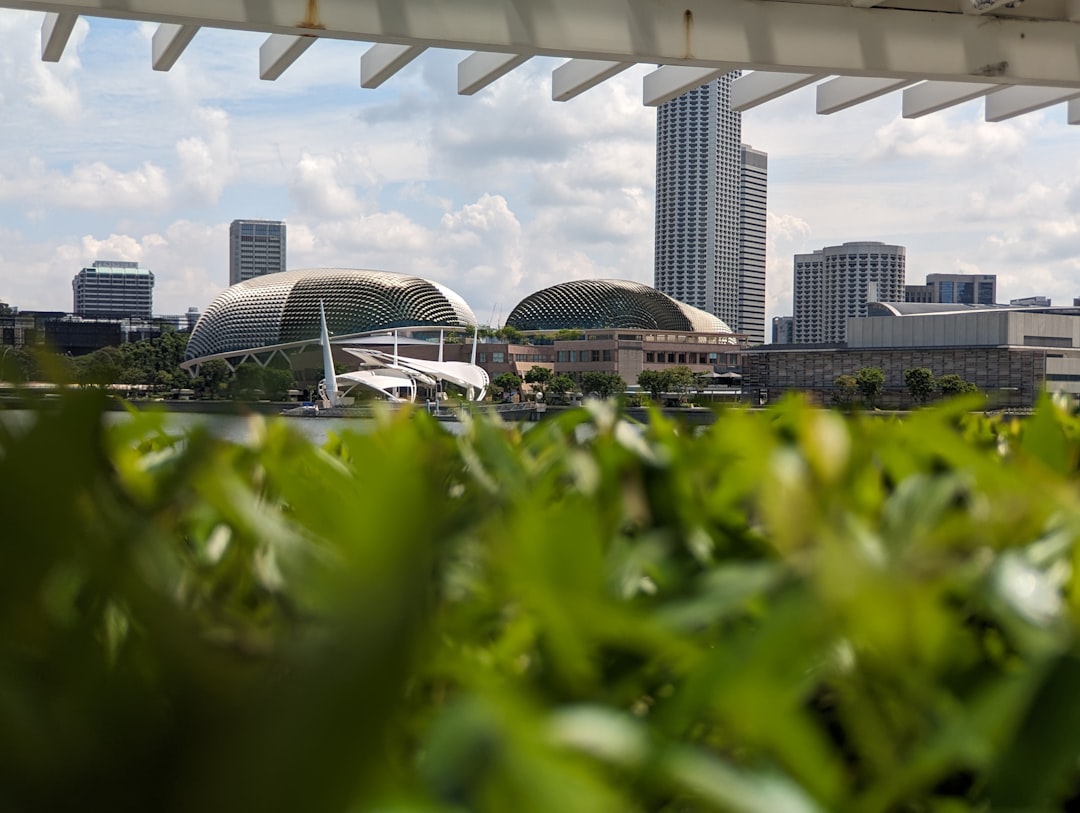
Urban agriculture encompasses a variety of practices, including rooftop gardens, vertical farms, and community plots. Rooftop gardens, for instance, have gained traction in cities like New York and Tokyo, where space is at a premium. These gardens not only provide fresh produce but also help mitigate urban heat effects and improve air quality. In New York City, the Green Roofs for Healthy Cities initiative has led to a 25% increase in green roofs since 2010, demonstrating the potential of urban agriculture to transform cityscapes.
 Artificial Intelligence
How Americans Are Using AI at Work, According to Gallup Poll
Explore the latest Gallup poll on how Americans are using AI at work and what it means for your career.
Read More →Vertical farming represents another innovative approach, allowing for crop cultivation in vertically stacked layers, often within controlled indoor environments. This method significantly reduces the land footprint required for traditional farming. Companies like AeroFarms and Plenty have pioneered vertical farming techniques, utilizing hydroponics and aeroponics to grow crops without soil. AeroFarms, for example, claims to use 95% less water than traditional agriculture while producing up to 390 times more yield per square foot annually.
Furthermore, community gardens have emerged as vital components of urban agriculture, fostering social cohesion and providing educational opportunities.
Furthermore, community gardens have emerged as vital components of urban agriculture, fostering social cohesion and providing educational opportunities. In cities like Detroit and Los Angeles, community gardens serve as green oases that not only supply fresh produce but also empower local residents by involving them in the cultivation process. These gardens are often a response to food deserts, areas with limited access to affordable and nutritious food.
Despite the promise of urban agriculture, several challenges persist. One of the primary hurdles is regulatory. Many cities lack comprehensive policies that support urban farming initiatives. For example, zoning laws in cities like San Francisco and Chicago have historically restricted the establishment of urban farms, although recent policy shifts are beginning to address these barriers. In 2020, Chicago passed an ordinance that allows urban farms to operate on vacant lots, a move that could spur further growth in the sector.
Another challenge is financial sustainability. Urban farms often face high initial investment costs and ongoing operational expenses. However, innovative funding models are emerging. Crowdfunding platforms and community-supported agriculture (CSA) programs are providing avenues for urban farms to secure financing. Additionally, partnerships with local businesses can create mutually beneficial arrangements, where farms supply fresh produce to restaurants and grocery stores in exchange for financial support.
 Branding
The Rise of Personal Branding: Why Your Resume Might Not Be Enough in 2025
In 2025, personal branding is eclipsing traditional resumes. Discover why this shift matters for your career.
Read More →Consumer awareness and demand for local, sustainably produced food are also driving the growth of urban agriculture. According to a 2022 survey by the Food Marketing Institute, 77% of consumers are more likely to purchase locally grown food. This trend is encouraging urban farmers to adopt innovative marketing strategies, including direct-to-consumer sales through farmers markets and subscription services.
Looking ahead, the integration of technology into urban agriculture will likely play a pivotal role in its evolution. Smart farming technologies, such as IoT sensors and data analytics, can optimize resource use and enhance crop yields. For instance, companies like FarmLogs are developing software solutions that help farmers monitor soil health and crop performance in real-time, leading to more informed decision-making.
Additionally, partnerships with local businesses can create mutually beneficial arrangements, where farms supply fresh produce to restaurants and grocery stores in exchange for financial support.
Moreover, as cities continue to expand, the concept of urban agriculture will likely evolve to include not only food production but also community resilience and environmental sustainability. The potential for urban farms to serve as educational hubs and community gathering spaces will further solidify their place in urban planning.
 Artificial Intelligence
Andreessen Horowitz Secures $15 Billion for Future Investments
Andreessen Horowitz has raised $15 billion, its largest funding round yet, aiming to invest in key sectors including AI and…
Read More →In conclusion, urban agriculture is not merely a trend; it is a transformative movement reshaping how cities think about food production and sustainability. As urban populations grow, the need for innovative solutions to food security will become increasingly urgent. Engaging communities in these initiatives will not only enhance food access but also promote a sense of belonging and stewardship in urban settings. The future is ripe for urban agriculture, and its potential is just beginning to be realized.