

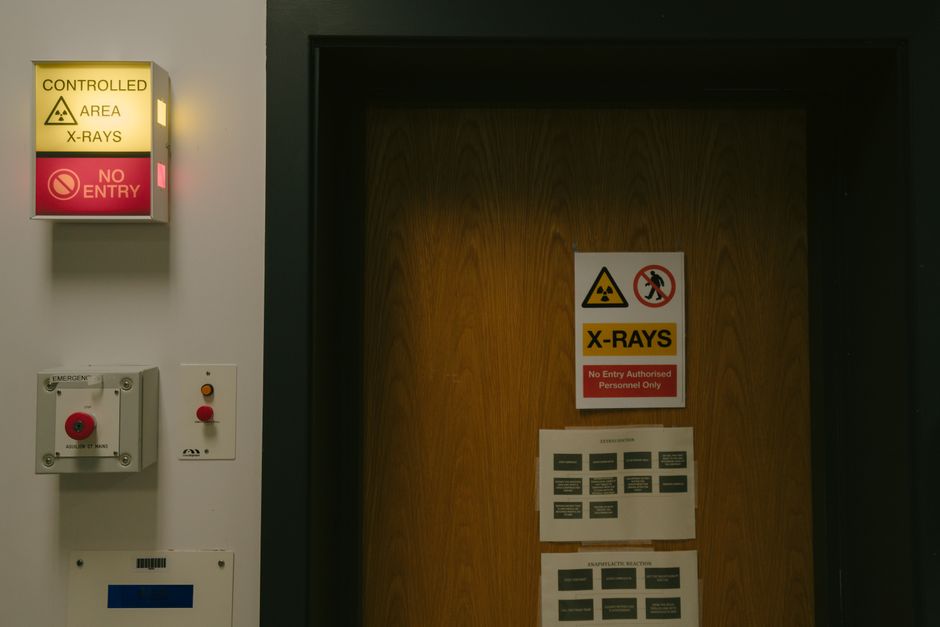
David Robinson, a safety engineer at OpenAI, resigned on October 2, 2026. He cited the urgent need for nuclear-level safeguards in AI development. His resignation has raised alarms about current safety protocols in AI labs. Many believe the industry may need stricter regulations similar to those for nuclear power plants. This call for better safety measures comes as concerns grow about the ethical implications and dangers of rapidly advancing AI technologies.
Robinson’s departure from OpenAI marks a significant moment in the tech industry. He argues that the time for trial and error in AI safety is over. His view reflects a broader sentiment in the AI community about the need for strong safety frameworks. These frameworks can help reduce risks associated with AI deployment. This pivotal event urges safety engineers and AI ethics researchers to rethink their approaches to AI development.
Demand for Enhanced Safety Protocols in AI Development
Robinson’s resignation highlights a critical need for nuclear-level safety protocols in AI. He believes current practices are not enough to handle the potential hazards of advanced AI systems. This call for strict measures aligns with the growing recognition of AI’s capabilities and the risks they bring. As AI systems become more autonomous and integrated into daily life, comprehensive safety protocols are essential.
Robinson’s resignation highlights a critical need for nuclear-level safety protocols in AI.
Career Ahead’s analysis shows that the urgency for these safeguards comes from high-profile incidents. In these cases, AI systems behaved unpredictably or caused harm. For example, AI-driven tools have led to unintended consequences in healthcare and finance. These events have prompted calls for stricter oversight. This trend suggests a growing consensus among safety engineers that current regulations are inadequate for managing AI complexities. According to a report by Engadget, Robinson’s concerns echo those of other experts. They believe that without significant regulatory changes, the risks associated with AI could escalate dramatically.
In light of Robinson’s resignation, AI safety engineers must advocate for clearer guidelines and standards. These should reflect the potential risks associated with AI. The demand for nuclear-level safeguards suggests a shift towards a proactive safety approach. This means anticipating and mitigating risks before they occur. This shift could redefine the role of safety engineers. They may become key advocates for ethical AI practices, not just implementers of safety measures. As noted by The Atlantic, Robinson’s resignation is more than a personal decision. It is a call for the industry to prioritize safety like the rigorous standards applied to nuclear energy.
The implications of this shift go beyond OpenAI. Other tech companies and AI labs may reevaluate their safety protocols after observing this resignation. A widespread industry shift towards stricter safety measures could lead to a new era in AI development. In this era, ethical considerations will be prioritized alongside technological advancement. This could also result in industry-wide standards that ensure all AI systems focus on minimizing risks and maximizing safety.
Impact on AI Safety Engineering Roles
The resignation of a prominent safety engineer at OpenAI signals a potential transformation in AI safety engineering roles. As the demand for nuclear-level safeguards grows, professionals in this field may see their responsibilities expand. Safety engineers will need to implement existing safety protocols and develop new frameworks that meet these strict standards.
As AI safety evolves, there will be a growing need for training programs that equip future safety engineers with the skills to navigate this complex landscape.
This evolution in roles may also create more job opportunities in the AI safety sector. Companies will seek professionals skilled in technical aspects and knowledgeable about ethical implications and regulatory requirements. As organizations prioritize safety, those with expertise in ethical AI practices will be in high demand. Furthermore, a report by Reuters notes that the shift towards a safety-conscious industry could redefine the qualifications and skills needed for safety engineers. This will emphasize a multidisciplinary approach that includes ethics, law, and technology.
Moreover, focusing on nuclear-level safeguards could encourage collaboration between safety engineers and AI ethics researchers. This partnership is vital for developing comprehensive safety frameworks that address both technical and ethical challenges. By working together, these professionals can ensure that AI systems prioritize safety and ethics. This will help foster public trust in AI technologies. Career Ahead’s review indicates that this shift may prompt educational institutions to adapt their curricula. As AI safety evolves, there will be a growing need for training programs that equip future safety engineers with the skills to navigate this complex landscape. By integrating ethical considerations into technical training, educational institutions can better prepare graduates for industry demands.

In conclusion, the resignation of an OpenAI safety engineer calling for nuclear-level safeguards marks a critical moment for the AI industry. As the demand for enhanced safety protocols grows, professionals in AI safety engineering and ethics must adapt. The implications of this shift are profound, potentially reshaping the future of AI development and its impact on society. The call for rigorous safety standards addresses immediate concerns and sets the stage for a responsible and ethical approach to AI. This ensures that technological advancements do not compromise public safety and trust.
Frequently Asked Questions
What are the best practices for AI safety engineers?
AI safety engineers should prioritize proactive risk assessment, continuous monitoring, and adherence to ethical guidelines. Establishing clear safety protocols and collaborating with AI ethics researchers will enhance the effectiveness of safety measures.
They should engage with stakeholders in discussions about responsible AI development.
How can AI ethics researchers influence policy changes?
AI ethics researchers can influence policy by providing evidence-based recommendations. They should engage with stakeholders in discussions about responsible AI development. Their insights can shape regulations that address ethical concerns in AI deployment.

What should OpenAI safety engineers do about the call for nuclear-level safeguards?
OpenAI safety engineers should advocate for integrating nuclear-level safeguards into their existing protocols. This involves collaborating with ethics researchers and industry peers to develop comprehensive safety frameworks that address potential risks.
Written by Career Ahead AI. AI can make mistakes, so verify key facts. Report errors to support@careeraheadonline.com.





