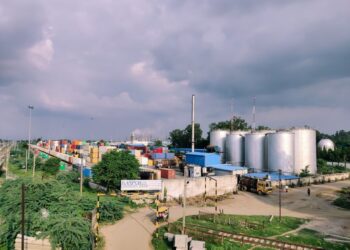
Vedanta Group plans to revive the Niyamgiri mining project in Odisha with a ₹1 lakh crore investment, aiming to create jobs and address community concerns.
India’s Vedanta Group has announced plans to revive the Niyamgiri mining project in Odisha, pledging an investment of ₹1 lakh crore. This significant move comes nearly 13 years after the project was shelved due to strong opposition from the Dongria Kondh community, a Particularly Vulnerable Tribal Group (PVTG). Vedanta’s Chairman, Anil Agarwal, emphasized the company’s commitment to reopening the bauxite reserves, which are crucial for alumina and aluminium production.
The Niyamgiri Hills are estimated to hold between 72 million to 88 million tonnes of bauxite, a key raw material for the aluminium industry. The revival of this project is expected to provide thousands of jobs to the local population, particularly in the mining engineering field. Agarwal highlighted the importance of integrating the tribal community into the development process, ensuring they benefit from the mining activities. This commitment to community engagement is essential, especially given the historical context of resistance from local tribes, underscoring the need for a collaborative approach moving forward.
Job Creation and Skills Development
The revival of the Niyamgiri mining project is poised to create a surge in job opportunities for mining engineers. With Vedanta’s significant investment, the demand for skilled professionals will increase. Mining engineers will be essential for overseeing extraction processes, ensuring safety standards, and implementing efficient mining practices. According to a report by Ease My Prep, the anticipated investment will not only create direct jobs but also stimulate indirect employment opportunities in supporting industries, such as transportation and logistics, which are vital for the mining sector.
As Vedanta expands its operations, there will be a need for engineers specializing in environmental compliance, project management, and operational efficiency. This aligns with the broader trend of increasing demand for skilled professionals in the mining sector. Furthermore, the investment is likely to lead to the establishment of new educational and training programs in the region. Local universities and technical institutes may begin to offer specialized courses tailored to the needs of the mining industry, further enhancing job prospects for graduates.
In addition to traditional roles, there may also be opportunities for engineers to engage in innovative technologies such as automation and data analytics in mining operations. This shift towards modernization in the mining sector will require engineers to adapt to new tools and methodologies, creating a dynamic job market. The potential for roles in research and development, focusing on sustainable mining practices, is also significant, as the industry seeks to balance economic growth with environmental stewardship.
This aligns with the broader trend of increasing demand for skilled professionals in the mining sector.
Vedanta’s ₹1 lakh crore investment in the Niyamgiri project signals a significant shift in India’s mining landscape. This investment is expected to bolster the local economy by creating jobs and attracting further investments in related sectors. The focus on mineral-based industrialization aligns with Odisha’s goals to enhance its economic development. As noted by Mathrubhumi, the revival of the Niyamgiri project could lead to a reevaluation of investment strategies in the resource sector, particularly in light of the community’s historical opposition to mining activities.
Career Ahead’s research identifies that the financial commitment from Vedanta could lead to a multiplier effect in the region. As new jobs are created, local businesses will likely see increased demand for goods and services, further stimulating economic growth. This investment could also attract other companies to consider expanding their operations in Odisha, enhancing the state’s reputation as a mining hub. Moreover, the revival of the Niyamgiri project could lead to a reevaluation of investment strategies in the resource sector. Analysts will need to assess the long-term sustainability and profitability of mining operations, particularly concerning environmental regulations and community rights.
As Vedanta aims to secure domestic bauxite supplies, the implications for the aluminium market are noteworthy. The company’s strategy to integrate mining operations with downstream manufacturing could create a more resilient supply chain, reducing dependency on imported materials. This could lead to more stable pricing and availability of aluminium, benefiting various industries reliant on this metal. The interconnectedness of mining and manufacturing sectors will be crucial in shaping the future of aluminium production in India.
Challenges and Community Engagement
The revival of the Niyamgiri mining project is not without its challenges, particularly concerning environmental compliance. The opposition from the Dongria Kondh community in 2013 highlighted the critical need for mining operations to respect local rights and environmental concerns. As Vedanta moves forward, it must navigate these complexities to ensure sustainable practices. Mining engineers will play a vital role in ensuring compliance with environmental regulations, implementing best practices for minimizing ecological impact, and engaging with local communities to address their concerns.
The regulatory landscape surrounding mining in India is evolving, with increasing scrutiny on environmental practices. Engineers must stay abreast of these changes and adapt their strategies accordingly. This may include adopting new technologies for monitoring environmental impact and implementing sustainable mining practices. Furthermore, the potential for increased litigation and community resistance could pose risks to mining operations. Companies like Vedanta must proactively engage with stakeholders and demonstrate their commitment to responsible mining. This approach will be crucial in building trust and securing the social license to operate.
As health insurers increasingly encourage policyholders to share fitness tracker data for wellness rewards, understanding the privacy implications and potential risks is crucial.
As the Niyamgiri project progresses, the balance between economic development and environmental stewardship will be a focal point. The outcomes of this project could set precedents for future mining ventures in India, affecting how companies approach community engagement and environmental compliance.
The interconnectedness of mining and manufacturing sectors will be crucial in shaping the future of aluminium production in India.
Frequently Asked Questions
What are the job prospects for mining engineers with Vedanta’s investment?
The revival of the Niyamgiri mining project is expected to create numerous job opportunities for mining engineers. With Vedanta’s significant investment, there will be a rising demand for skilled professionals to oversee mining operations and ensure compliance with safety and environmental regulations.
How will the Niyamgiri mining project impact investment strategies in the resource sector?
Vedanta’s investment in the Niyamgiri project may lead to a shift in investment strategies within the resource sector, focusing on sustainable practices and community engagement. Analysts will need to consider the long-term implications of mining operations on local communities and the environment.
What should mining engineers consider regarding environmental regulations with this development?
Mining engineers must prioritize environmental compliance as the Niyamgiri project progresses. They will need to adapt to evolving regulations and implement sustainable practices to minimize ecological impact while engaging with local communities to address their concerns.



Industry & Global Trends
 Industry & Global Trends