No products in the cart.

How Syracuse's Semiconductor Gamble May Help Save the Rust Belt
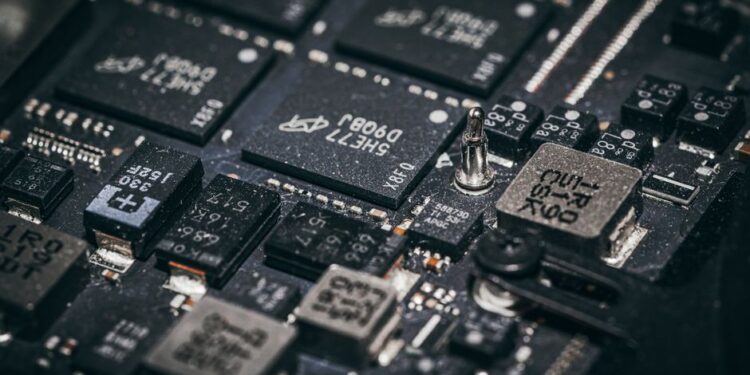
Micron Technology's $100 billion investment in Syracuse, NY, is set to create thousands of jobs and position the region as a key player in the semiconductor industry, potentially revitalizing the Rust Belt and aligning with national trends towards domestic chip production.

Micron Technology is investing $100 billion to build a semiconductor manufacturing plant in Syracuse, New York. This move is expected to create thousands of jobs and boost the local economy. The facility is one of the largest investments in semiconductor manufacturing in US history and aims to meet the growing demand for chips across various industries.
The announcement comes at a crucial time. The semiconductor industry faces challenges, including supply chain disruptions and rising global demand. Micron’s new plant will transform Syracuse into a key player in the semiconductor market, potentially reversing decades of economic decline in the Rust Belt region.
Job Creation in Semiconductor Manufacturing
The new semiconductor plant is projected to create around 9,000 jobs in Syracuse, including positions for semiconductor engineers and manufacturing technicians. This job influx is a significant boost for a region that has faced job losses in recent years. According to Career Ahead’s analysis, the demand for skilled workers in semiconductor manufacturing is expected to grow as the industry expands.
Local engineers will find opportunities in design, testing, and production of semiconductor components. Manufacturing technicians will also be in high demand, operating and maintaining the advanced machinery needed for semiconductor production. This shift offers immediate job opportunities and promises long-term career growth in a high-tech industry.
Micron’s investment will likely attract related businesses and suppliers to the area, further enhancing job creation. As the semiconductor ecosystem develops in Syracuse, local engineers and technicians will benefit from increased collaboration and innovation. A report by WGRZ notes that this investment is not just about jobs created directly by Micron; it also includes ancillary jobs from the increased economic activity in the region.
This shift offers immediate job opportunities and promises long-term career growth in a high-tech industry.
Career Ahead research shows that growth in semiconductor manufacturing aligns with national trends. The US government is emphasizing domestic chip production to reduce reliance on foreign suppliers, which is likely to create more job opportunities and skill development initiatives across the country. As the semiconductor industry grows, Syracuse is set to become a central hub for innovation, attracting talent and investment from across the nation.
Skill Development and Economic Revitalization
The establishment of the semiconductor plant will spur skill development in advanced manufacturing technologies. Local educational institutions are adapting their programs to meet the needs of this growing industry. Partnerships between Micron and local colleges aim to provide specialized training for students and workers, ensuring they have the necessary skills to succeed in the semiconductor sector.
Career Ahead’s analysis highlights that engineers will need skills in semiconductor design and fabrication processes. As the industry evolves, expertise in photolithography, etching, and cleanroom protocols will be in demand. Manufacturing technicians will need training in operating complex machinery and understanding automated production systems. This proactive approach to education is essential. A report from Yahoo Finance emphasizes the need for a skilled workforce to support the semiconductor industry’s rapid growth.
This focus on skill development is vital for revitalizing the Rust Belt. By investing in education and training, Syracuse can create a workforce ready for current job openings and adaptable to future technological changes. This proactive approach will help ensure that the local economy remains resilient and competitive. As Micron’s facility becomes operational, it is expected to inspire other companies to invest in similar initiatives, creating a broader ecosystem of innovation and manufacturing in the region.
By investing in education and training, Syracuse can create a workforce ready for current job openings and adaptable to future technological changes.
The influx of jobs and training opportunities will likely attract talent from other areas. As Syracuse becomes a hub for semiconductor manufacturing, it may inspire other Rust Belt cities to pursue similar initiatives, fostering a wider economic resurgence across the region. The potential for economic revitalization goes beyond job creation; it also includes developing a skilled workforce that can adapt to changing technology.
As the semiconductor industry continues to grow, Syracuse’s strategic investment positions the city to benefit from the rising demand for chips. Micron’s semiconductor plant is a pivotal moment for the region and the broader semiconductor industry. The demand for chips is increasing, driven by advancements in technology like AI, IoT, and 5G. The need for domestic production is becoming critical. Micron’s investment is not just about building a factory; it represents a strategic move to secure a foothold in a competitive global market.
Looking ahead, the success of this venture could lead to similar investments from other companies in the semiconductor sector. If Micron’s plant proves successful, it may encourage competitors to establish operations in Syracuse or other Rust Belt cities, further enhancing the region’s status as a manufacturing hub. Moreover, collaboration between industry leaders and educational institutions may set a precedent for workforce development in the technology sector. By prioritizing skill development and creating pathways for local talent, Syracuse could become a model for other regions aiming to revitalize their economies through technology-driven initiatives.
The coming years will be crucial as stakeholders monitor the progress of this ambitious project. Will Syracuse truly become a beacon of economic revival, or will challenges hinder its growth? The answers to these questions will shape the future of the Rust Belt and the semiconductor industry as a whole.
Frequently Asked Questions
What skills are needed for semiconductor engineers?
Engineers in the semiconductor industry will need skills in semiconductor design, fabrication processes, and cleanroom protocols. Training programs are being developed to prepare local talent for these roles.
Educational institutions are offering specialized training programs to equip workers with the necessary skills.
How can manufacturing technicians prepare for new roles in semiconductor factories?
Manufacturing technicians can prepare by gaining experience with automated production systems and complex machinery. Educational institutions are offering specialized training programs to equip workers with the necessary skills.

What should semiconductor engineers do to capitalize on job growth?
Engineers should focus on developing expertise in advanced manufacturing technologies and seek opportunities for continuous learning. Engaging with local training programs will be essential for staying competitive in this growing field.
Written by Career Ahead AI. AI can make mistakes, so verify key facts. Report errors to support@careeraheadonline.com.