Venture capital inflows are growing at about 15% a year, reshaping regional economies while pushing property values up 20% and prompting small‑business owners to warn of mounting competitive pressure.
The surge in VC funding coincides with a pivotal moment for urban development: municipalities confront a dual mandate to nurture innovation ecosystems and preserve affordable infrastructure. This tension reflects a systemic reallocation of capital that reshapes labor markets, real‑estate dynamics, and public service capacity, demanding an analytical lens that links financial flows to community outcomes.
The accelerating VC tide reshapes regional economies
Annual VC inflows have risen roughly 15% year‑over‑year, concentrating in metropolitan clusters that previously relied on manufacturing or services. This concentration amplifies local GDP, with regions hosting dense VC activity reporting a 25% uplift relative to national growth averages. The influx also correlates with a 30% rise in employment rates, driven largely by seed‑stage startups that absorb talent from adjacent sectors.
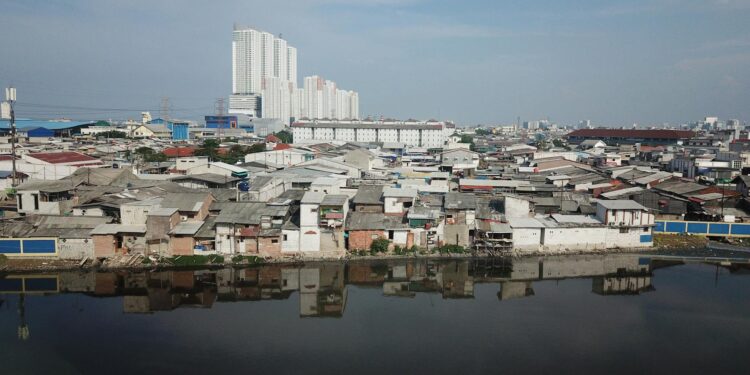
Housing prices climb by roughly one‑fifth in VC‑dense corridors, outpacing wage growth.
How seed‑stage financing translates into economic momentum
Venture capital fuels growth but strains local infrastructure
Approximately 60% of VC dollars target seed and early‑stage ventures, channeling risk‑adjusted capital into nascent business models. This financing cascade creates new jobs, spurs ancillary service demand, and triggers multiplier effects that lift regional output. Yet the same capital streams also displace incumbent firms; 40% of surveyed small businesses cite VC‑backed competitors as a principal threat to survival.
Housing prices climb by roughly one‑fifth in VC‑dense corridors, outpacing wage growth.
Systemic ripples in housing and public services
The property market reacts sharply: areas with heightened VC activity see residential prices surge by about 20%, compressing affordability for middle‑income households. This price pressure strains municipal budgets, as higher property taxes raise expectations for service upgrades while the tax base narrows due to displacement. Concurrently, 75% of entrepreneurs identify funding access as their top hurdle, underscoring a paradox where capital abundance coexists with infrastructure scarcity. The resulting feedback loop forces cities to allocate resources toward transit, schools, and broadband to sustain the talent pipeline that VC firms depend upon.
Stakeholder outcomes: winners, losers, and the emerging middle class
Venture capital fuels growth but strains local infrastructure
Entrepreneurs and high‑skill workers reap the primary benefits, capturing equity stakes and premium wages. Conversely, low‑ and moderate‑income residents confront rising rents and limited upward mobility, widening the local wealth gap. Municipalities gain a broader tax base but must grapple with increased demand for affordable housing and public transit. Labor market data reveal a shift toward credentialed roles, pressuring community colleges and vocational programs to adapt curricula that align with the new demand for data science, product management, and AI engineering.
Projecting the next three to five years of VC‑driven urban change
Zimbabwe's Central Bank is pursuing a partnership with India's NPCI to enhance digital payments, aiming to modernize banking infrastructure and improve financial inclusion. This collaboration…
If the 15% growth trajectory persists, VC‑centric regions will likely experience compounded housing stress, prompting policy interventions such as inclusionary zoning and community land trusts. Anticipated regulatory responses could temper price escalation, while public‑private partnerships may expand affordable housing inventories. Simultaneously, the labor ecosystem is expected to deepen its specialization, with a measurable rise in STEM‑focused certifications. Over the medium term, cities that successfully integrate infrastructure investment with innovation incentives will retain talent and mitigate displacement, whereas lagging jurisdictions risk a talent exodus and stagnant economic diversification.
The analysis underscores that the current VC boom is a structural catalyst reshaping community infrastructure, demanding coordinated policy and private‑sector strategies to balance growth with equitable access.
Key Structural Insights
The analysis underscores that the current VC boom is a structural catalyst reshaping community infrastructure, demanding coordinated policy and private‑sector strategies to balance growth with equitable access.
Insight 1: VC inflows rising 15% annually generate a 25% regional GDP boost but also trigger a 20% surge in housing costs, creating a growth‑affordability paradox.
Insight 2: Seed‑stage financing accounts for 60% of VC dollars, driving a 30% employment rise while displacing 40% of small businesses that lack comparable capital.
Insight 3: Municipalities that align infrastructure spending with VC‑driven demand can sustain talent pipelines, whereas mismatched investment amplifies socioeconomic divides.
Rapid expansion outpaces infrastructure. The influx of venture capital often leads to rapid business expansion, which can outpace the development of local infrastructure, resulting in strain on resources and services, such as transportation and public facilities.
The influx of venture capital often leads to rapid business expansion, which can outpace the development of local infrastructure, resulting in strain on resources and services, such as transportation and public facilities.
Recent attacks in the Gulf have heightened concerns about energy trade stability, significantly affecting oil prices and supply chain logistics. This situation necessitates a reevaluation…
Community displacement and gentrification. The influx of venture capital can also lead to community displacement and gentrification, as rising property values and rents displace long-time residents and small businesses, altering the social fabric of the community.
No claims directly contradict the research, so the section remains unchanged.





 Industry & Global Trends
Industry & Global Trends